
Eloy Alfaro — Leader of Ecuador's Liberal Revolution
Eloy Alfaro (1842–1912), Ecuadorian military and political leader, led the Liberal Revolution of 1895, modernized the state with secular reforms and infrastructure projects, and remains a polarizing national figure.
José Eloy Alfaro Delgado was a central figure in Ecuadorian politics around the turn of the 20th century. Born in Montecristi in 1842, he became a military leader and the principal architect of the Liberal movement that challenged a long-standing conservative and clerical order. Alfaro served two nonconsecutive terms as president (1895–1901 and 1906–1911) and is often remembered by supporters as the Viejo Luchador or “Old Fighter.” His life combined long exile, repeated returns to power, and a dramatic, violent death that marked an era of intense political polarization in Ecuador.
Image gallery
5 Images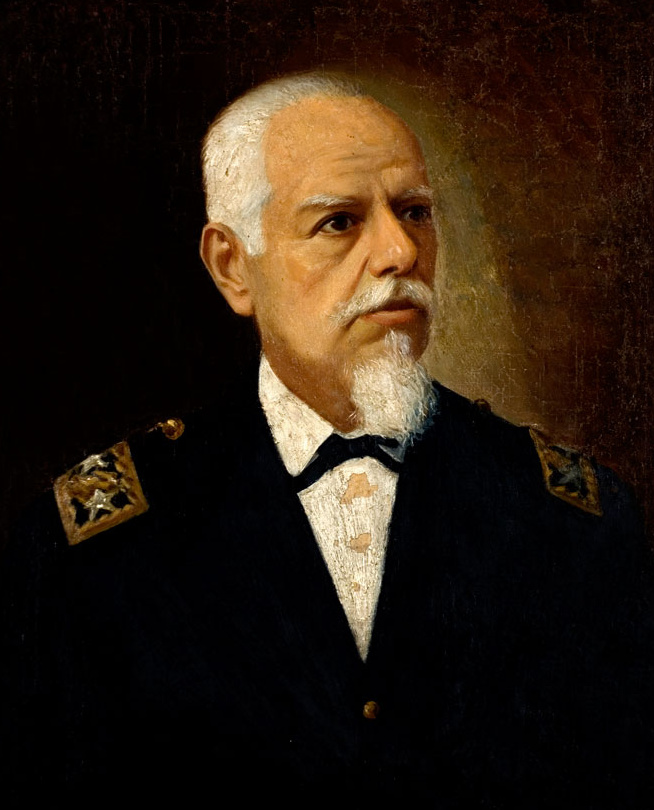


Early life and political rise
Alfaro came from modest origins in the coastal town of Montecristi. He entered military and political struggles against conservative governments and opposed the influence of the Catholic Church in state affairs, a position that put him at odds with leaders such as Gabriel García Moreno. During decades of conflict he led uprisings, went into exile at times, and gradually built a broadly based Liberal coalition that included sections of the army, regional elites, and urban liberals eager for institutional change.
Policies and accomplishments
As president, Alfaro promoted measures commonly associated with late-19th century liberal reform: separation of church and state, civil marriage and secular registers, expansion of public education, and reforms to centralize and modernize administration. He championed major infrastructure projects, most notably the effort to build a railway to link the Andean highlands with the Pacific coast, which aimed to stimulate trade and integrate the national economy. His governments also sought to weaken clerical control over institutions and to establish a more secular, professional bureaucracy.
Later years, imprisonment, and death
After leaving office Alfaro remained a powerful symbol for the Liberal movement but also a target for Conservative reaction. Political instability continued, and in 1912 he was arrested and held in Quito. A violent outbreak of popular and factional fury resulted in a mob attack on the prison where he was detained. He was killed during that attack at age 69, an event that shocked the country and intensified the historical debate about his legacy and the costs of Ecuador's political conflicts.
Legacy and significance
Alfaro's importance lies less in personal myth than in the institutional changes his administrations initiated. He is widely credited with advancing secular public education, civil legal reforms, and national infrastructure that helped shape modern Ecuador. Opinions about him remain divided: many admire his commitment to liberal principles and modernization, while critics point to the turbulence and deep social divisions of his era. His life and death continue to be commemorated and debated across political and regional lines in Ecuador, and Quito itself preserves sites and memorials connected to his career and final days in Quito.
- Also known as the Viejo Luchador (“Old Fighter”) for his long struggle against conservative rule.
- Leader of the 1895 Liberal Revolution that brought lasting changes to state–church relations.
- Associated with major public works, particularly the highlands–coast railway project.
For further study of Alfaro’s life and Ecuador’s transition during this period, consult comprehensive histories of Ecuadorian politics and biographies that examine both his reforms and the controversies that surrounded them.
Related articles
Author
AlegsaOnline.com Eloy Alfaro — Leader of Ecuador's Liberal Revolution Leandro Alegsa
URL: https://en.alegsaonline.com/art/118386