
Elizabeth Cady Stanton: 19th‑Century Reformer and Architect of Early American Women's Rights
Biographical overview of Elizabeth Cady Stanton, her role in early U.S. women's rights and abolition movements, principal writings and organizational work, and her lasting historical significance.
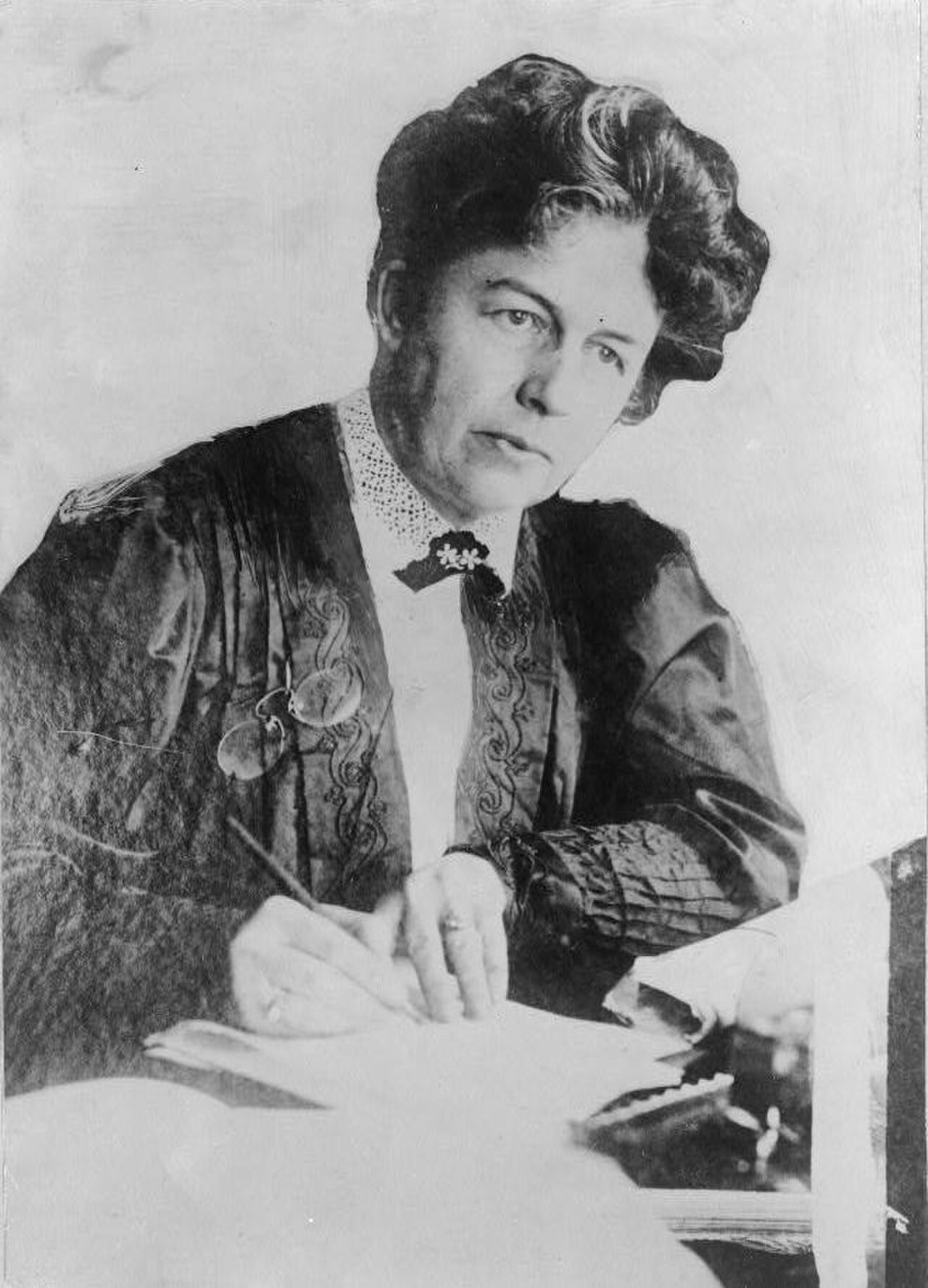
Elizabeth Cady Stanton (1815–1902) was a prominent American reformer whose work linked abolitionism and the early women's rights movement. Trained in law and rhetoric uncommon for many women of her generation, Stanton became known for organizing, drafting foundational documents, and speaking widely for legal and political reforms. Her authorship of the Declaration of Sentiments at the 1848 gathering in Seneca Falls is often cited as a decisive moment that transformed isolated demands into a coordinated campaign for women’s rights and, later, women's suffrage. For context on related movements and figures see social activism, abolitionist activity, the women's rights movement, and her longtime collaborator Susan B. Anthony. The 1848 gathering is commonly called the first women's rights convention and took place in Seneca Falls, New York, where demands including women's suffrage were first set out in a public, formal document.
Image gallery
10 Images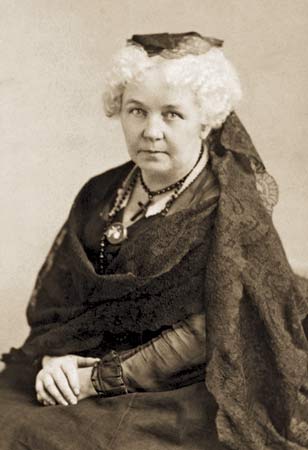


Early life and entry into reform
Born into a well‑educated family in upstate New York, Stanton received an advanced education for a woman of her era and developed a facility for legal argument and public writing. She married abolitionist Henry Stanton and balanced family responsibilities with increasing public engagement. Her involvement in the anti‑slavery movement exposed her to national and international networks of reformers. A pivotal incident often described in biographies occurred at an international anti‑slavery meeting in London, where women delegates were excluded from full participation; that episode helped convince Stanton and others, such as Lucretia Mott, that women needed a separate forum to press their own claims.
Declaration of Sentiments and organizing
At the Seneca Falls convention Stanton drafted the Declaration of Sentiments, intentionally modeled on the language and structure of the Declaration of Independence. The document framed a list of grievances and explicit demands for equality before the law. It called for a range of changes intended to reshape women’s legal status and public participation. Key demands commonly associated with the Declaration included:
- the right of women to vote;
- equal treatment in property and contract law;
- access to education and professional opportunities;
- reform of marriage and custody laws that limited women's rights;
- recognition of women’s moral and political agency.
The declaration helped turn a loose reform impulse into a sustained campaign. Stanton and other organizers used petitions, public lectures, and local meetings to broaden support and to press state legislatures for changes such as married women’s property laws and guardianship rights.
Collaboration, organizations, and writings
In the 1850s Stanton formed a productive and sometimes contentious partnership with Susan B. Anthony. Together they coordinated national campaigns, edited publications, and shaped organizational strategy. Stanton served as a principal theorist and writer, while Anthony often managed practical aspects of outreach and organization. They helped lead organizations that focused specifically on securing the franchise for women and on related legal reforms. Stanton also worked on extended documentary and interpretive projects: she collaborated on multi‑volume histories of the movement and later produced polemical writings that questioned traditional religious readings about women's roles.
Later years, publications, and controversies
In the final decades of her life Stanton continued to write and speak, producing major collaborative histories of the suffrage movement and a controversial critique of biblical interpretations that she believed reinforced gender subordination. These publications broadened discussion but also exposed her to criticism from religious leaders and some fellow activists. Stanton stood out for her insistence on addressing not only the vote but broader social and legal inequalities; historians note that this comprehensive focus both strengthened the movement’s intellectual foundations and at times created tactical tensions, particularly during debates about Reconstruction and race.
Legacy and significance
Elizabeth Cady Stanton is remembered as one of the architects of organized female political activism in the United States. Her rhetorical skill, document drafting, and willingness to challenge entrenched legal doctrines left a substantial imprint on later reform efforts. While she did not live to see the nationwide extension of the vote to women, her writing, speeches and organizational work shaped generations of activists who followed. Scholars continue to study her contributions critically, examining both her achievements and the complex, sometimes contradictory positions she held. For further reading and archival materials consult resources on social activism, historical accounts of abolition, surveys of women's rights history, biographies of Susan B. Anthony, documents from the first women's rights convention, local histories of Seneca Falls, and compilations about women's suffrage.
Related articles
Author
AlegsaOnline.com Elizabeth Cady Stanton: 19th‑Century Reformer and Architect of Early American Women's Rights Leandro Alegsa
URL: https://en.alegsaonline.com/art/118314
Sources
- nytimes.com : "Elizabeth Cady Stanton Dies at Her Home"