
Women's rights movement
A global social and political movement advocating legal, economic and social equality for women and girls; covers history, aims, achievements, methods and ongoing challenges.
Overview
The women's rights movement is a sustained social and political effort to secure equal rights, opportunities and protections for women and girls. It overlaps with the wider feminist movement but is often used to describe organized campaigns aimed at concrete legal and policy changes such as voting rights, workplace access and protections against gender-based violence. People of all genders have participated in and influenced the movement in different places and eras.
Image gallery
2 Images
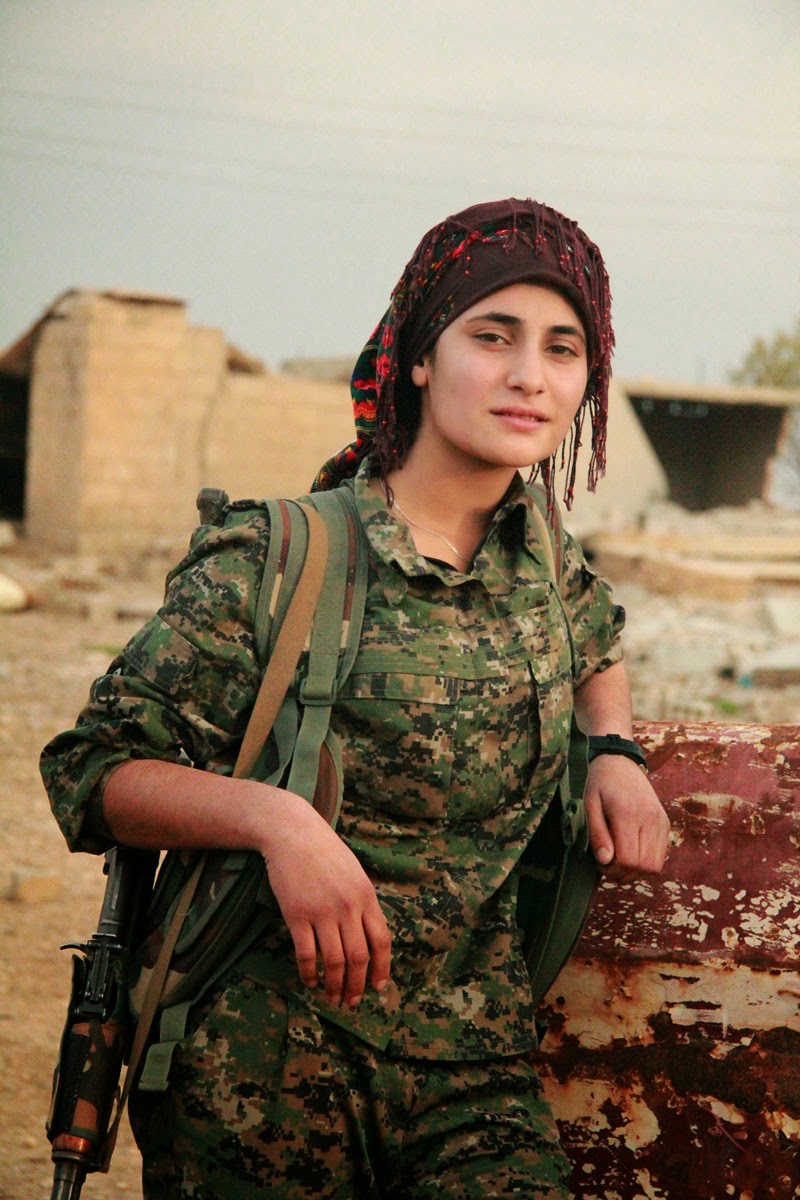
Historical development and waves
Organized struggles for women's rights emerged in many countries from the 18th and 19th centuries onward. Historians often describe developments in terms of "waves": the first wave focused on legal issues including suffrage and property rights; the second wave (mid-20th century) broadened attention to workplace equality, reproductive rights and social norms; later activism highlighted intersectionality—how gender interacts with race, class, sexuality and other identities. These phases varied regionally, and timelines differ across societies throughout history.
Key goals and areas of focus
- Political rights — campaigns for voting, the right to hold office and political representation, commonly referred to as women's suffrage.
- Economic opportunity — equal access to education, professional training, occupations (including previously male-dominated trades such as construction work), and equitable pay and employment protections.
- Reproductive and bodily autonomy — access to health care, contraception, safe childbirth and legal protections for reproductive decision-making.
- Legal and social protections — laws against domestic and sexual violence, fair family law, and measures to reduce unpaid caregiving burdens.
Methods and achievements
Activists have used a wide range of tactics: advocacy, lobbying, litigation, public demonstration, education campaigns, and community organizing. Major achievements attributed to these efforts include the extension of the franchise to women in many countries, legal recognition of property and contract rights, expanded educational and professional opportunities, and reforms in family and labor law. Progress has been uneven, and legal change often required persistent follow-up to secure enforcement in practice.
Global variation and continuing challenges
The status of women's rights varies greatly by country and community. In some places legal reforms produced rapid social change; in others, customary practices, weak enforcement and economic inequality limit the impact of formal rights. Activists stress that formal equality does not guarantee equal outcomes: discrimination, gendered division of labor, limited access to health services and political underrepresentation remain widespread issues. Contexts differ in the extent to which women enjoy civil, economic and social rights—what observers describe as different amounts of rights.
Prominent figures and organizations
Leaders and organizers have varied by movement and era. Figures such as Susan B. Anthony became well-known in some national histories of suffrage, while countless local activists, trade unions, legal advocates, community groups and international bodies have driven reforms. Contemporary work often involves networks of non-governmental organizations, women's coalitions and multilateral institutions collaborating across borders.
Interaction with other movements and debates
The women's rights movement intersects with movements for racial justice, labor rights, LGBTQ+ equality (including debates around same-sex marriage) and human rights more broadly. These intersections have enriched strategies but have also produced internal debates about priorities, representation and tactics.
Significance and legacy
The movement has reshaped legal systems, workplaces, families and public life by expanding who can participate in civic and economic roles. Work continues at multiple levels—from grassroots organizing to international policy—to translate legal gains into everyday equality. For an introduction to historical overviews and contemporary discussions, see general resources on the feminist movement and histories of suffrage.
Related articles
Author
AlegsaOnline.com Women's rights movement Leandro Alegsa
URL: https://en.alegsaonline.com/art/108877