
Elaine May (American comedian, screenwriter, director and actress)
Elaine May is an influential American comedian, screenwriter, director and actress, known for the improvisational duo Nichols and May, landmark 1970s films, later stage work and major honors including a Tony and an Honorary Oscar.
Overview
Elaine Iva May (née Berlin; born April 21, 1932) is an American comedian, screenwriter, film director and actress whose career spans improvisational stage work, film and theatre. She first gained wide attention as a sharp, conversational improvisational performer and later became known for a small but distinctive body of films and for later-stage work that displayed a wide dramatic range. Over many decades she has been honored for her writing, directing and acting.
Image gallery
9 Images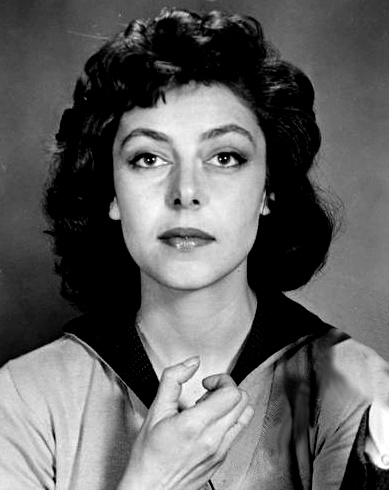




Early life and rise to prominence
Born in the early 1930s, May began performing in the postwar period and rose to prominence in the late 1950s and early 1960s. Her early reputation was built on quick character work, pointed social observation and a style of improvisation that emphasized realistic, literate dialogue. These qualities helped her reach broader audiences and opened opportunities in television and motion pictures.
Nichols and May
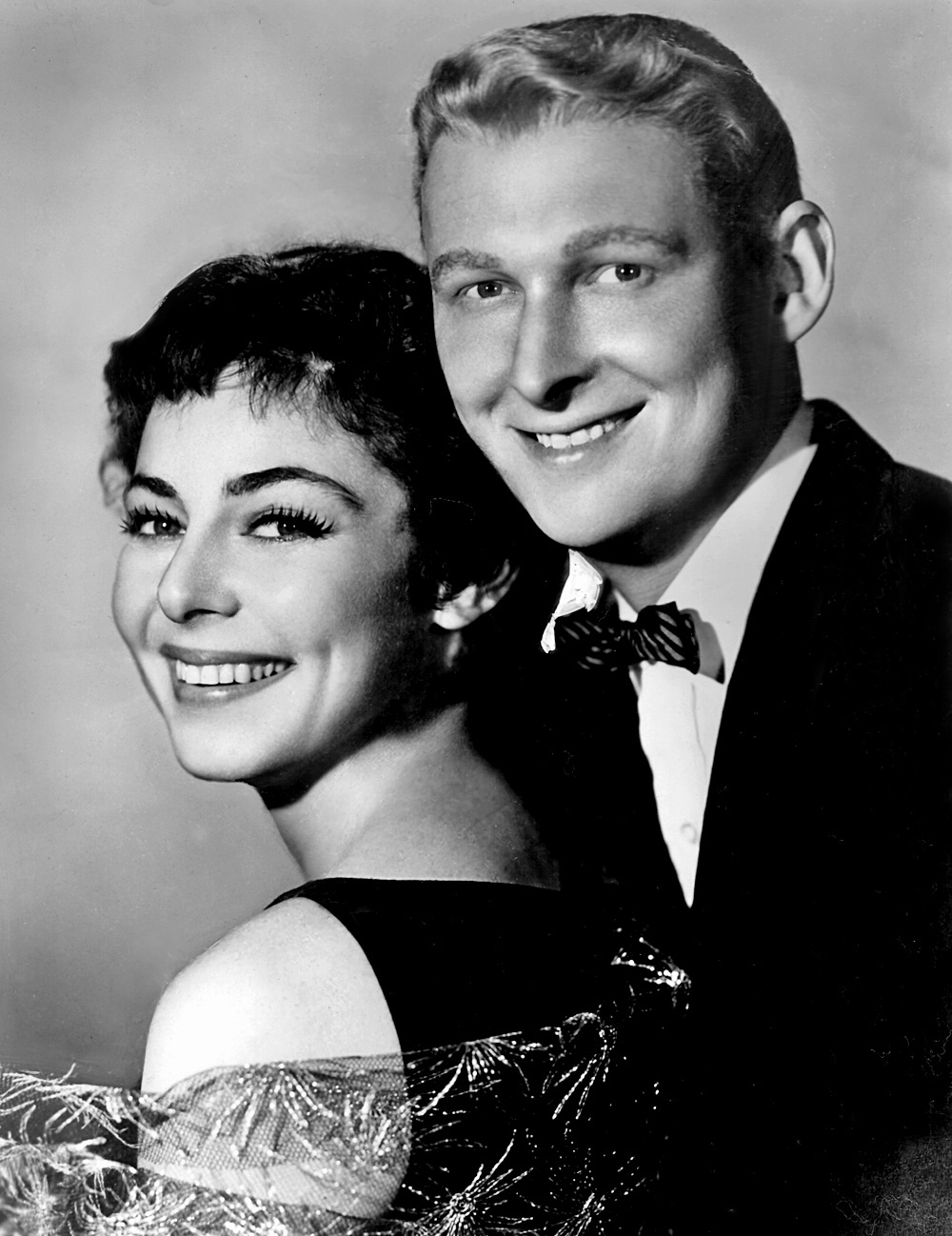
May became widely known as one half of the improvisational partnership Nichols and May, formed with Mike Nichols. Their stage routines and recordings brought improvisation into mainstream comedy venues, influencing how comic performers used timing, awkwardness and conversational realism to create characters and sketches. The partnership is often cited as a formative moment in American improv and sketch comedy; information about the duo and its recordings appears in many histories of twentieth-century comedy and performance (Nichols and May).
Film career: writing, directing and acting
May moved into cinema as a writer, director and occasional performer. She wrote screenplays that earned Academy Award nominations, including for Heaven Can Wait and Primary Colors, and she directed films noted for combining broad comedic situations with ironic or darker undertones. In 1971 she wrote, directed and starred in A New Leaf, a milestone at the time that was widely reported as a rare instance of a woman occupying all three roles on a major Hollywood feature. Her 1972 film The Heartbreak Kid further established her reputation for character-driven satire. Later films she directed attracted mixed critical and commercial responses but contributed to her standing as an original cinematic voice.
Style, themes and approach
May's work is often characterized by its attention to social detail, ironic distance and an ability to find both comedy and pathos in character flaws. Whether in improvised sketches or scripted screenplays, her strengths include a keen ear for dialogue, an interest in awkward or revealing interpersonal situations, and a willingness to let characters' small cruelties or insecurities drive humor. Her films and scripts frequently balance lightness with darker undercurrents, making them subjects for study in film and theatre courses that examine tone and character.
Later stage work and honors
After decades focused on film and screenwriting, May returned to the stage and received strong critical praise for dramatic performances later in life. In 2018 she appeared in a revival of Kenneth Lonergan's play The Waverly Gallery and won the 2019 Tony Award for Best Actress in a Play, becoming one of the oldest performers to receive a Tony for acting. She was awarded the National Medal of Arts in 2013 and in 2022 received an Honorary Academy Award in recognition of her long contribution to American cinema and theatre. Those honors reflect both peer recognition and renewed interest in her work.
Legacy and influence
Elaine May's influence extends across stand-up, improvisation, film writing and direction. Comedians, actors and screenwriters cite the conversational realism and character focus of the Nichols and May work as a direct influence on later comic forms. Filmmakers and critics often point to her scripts and films as important examples of a comic sensibility that resists simple categorization—neither purely screwball nor merely dramatic, but often a blend that reveals human foibles with sharpness and sympathy.
Selected points and resources
- Partnership and early work: the Nichols and May collaboration with Mike Nichols helped bring improvisation to a wider audience and influenced later generations of comic performers; see also materials on Nichols and May.
- Notable films: wrote, directed and starred in A New Leaf; directed The Heartbreak Kid; further film work includes projects that received mixed receptions but are regarded as distinctively her own voice.
- Screenwriting honors: nominated for Academy Awards for screenplays including Heaven Can Wait and Primary Colors.
- Recognition: recipient of the National Medal of Arts and later an Honorary Academy Award; she received a Tony Award for a Broadway performance in 2019 and has been celebrated in retrospectives and film studies.
- Further reading: career summaries and archival materials can be found in performing-arts collections and film-study resources (career summaries).
May's career illustrates a rare combination of improvisational sharpness, disciplined writing and a willingness to work across mediums. Her contributions to American comedy and cinema remain widely discussed in histories of modern performance, and her work continues to be examined for its subtle interplay of humor and human complexity.
Related articles
Author
AlegsaOnline.com Elaine May (American comedian, screenwriter, director and actress) Leandro Alegsa
URL: https://en.alegsaonline.com/art/118253