
Nichols and May: influential American improvisational comedy duo
Mike Nichols and Elaine May formed a pioneering improvisational comedy duo whose Broadway show and recordings in the late 1950s–early 1960s reshaped modern sketch and conversational comedy.
Overview
Nichols and May were an American comedy team formed by Mike Nichols and Elaine May. Emerging from the mid-20th-century improvisational scene, the pair built a reputation for short, sharply observed sketches that relied on timing, realistic dialogue and softly subversive satire rather than broad punchlines. Their partnership combined Nichols's sense of stage craft and timing with May's gift for character detail and ironic point of view. They became widely known through live performance, a successful Broadway engagement and several best-selling recordings.
Image gallery
3 Images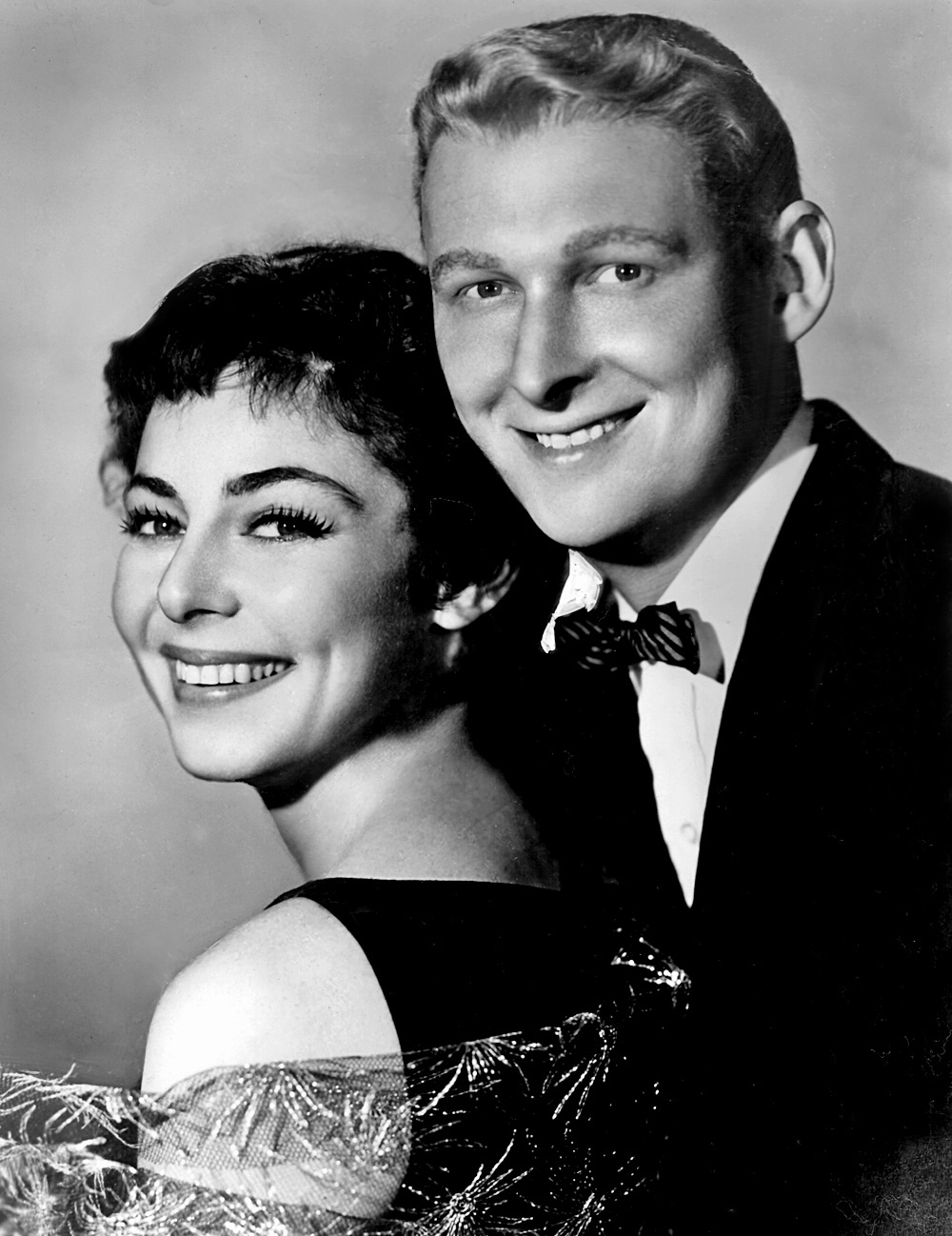


Style and approach
Their work drew on improvisational techniques, creating scenes that felt spontaneous while remaining tightly structured. Instead of relying on monologues or one-liners, they often performed two-person pieces that explored everyday relationships, professional absurdities and institutional pretensions. Critics and peers praised their command of subtext, pauses and shifting power dynamics, qualities that distinguished them from other acts of the era. Colleagues such as Woody Allen and television host Dick Cavett later noted their influence on contemporary comedy.
Career, recordings and stage work
The duo recorded several albums which brought them national attention; three of those records charted on the Billboard Top 40 between the late 1950s and early 1960s. Their Broadway debut was preserved on the album An Evening with Mike Nichols and Elaine May, which won a Grammy Award for Best Comedy Performance. Another record, Mike Nichols & Elaine May Examine Doctors, received a Grammy nomination. These releases helped bring improvisational sketch work into the mainstream and demonstrated that conversational comedy could succeed on recorded media as well as on stage.
Notable appearances and public profile
Beyond albums and theater, the pair took part in high-profile events that raised their profile. For example, they appeared at a widely remembered 1962 celebration for President John F. Kennedy that also featured Marilyn Monroe. Their presence at such events placed them at the intersection of entertainment, politics and popular culture during a dynamic period in American public life. They also appeared in television programs and benefit shows that introduced their material to broader audiences.
Legacy and later careers
Although the duo disbanded after a few intense years of collaboration, both Nichols and May continued influential careers. Nichols moved into film and stage direction, while May pursued writing, directing and acting in film and theater. Their early work as a team is widely cited as formative for later generations of comedians and writers. Many performers credit their emphasis on scene-based humor and psychological realism for expanding the possibilities of sketch comedy.
Selected recordings and recognition
- An Evening with Mike Nichols and Elaine May — Broadway recording; Grammy winner for Best Comedy Performance.
- Early albums — three entries reached the Billboard Top 40 between 1959 and 1962, helping to popularize improvisational sketches on record.
- Grammy recognition — the pair won and were nominated for major awards in comedy recording categories.
For further reading about their influences, methods and subsequent individual careers, see work by contemporary commentators and biographies that place their partnership in the context of mid-century American comedy. Additional resources and archival interviews are available through a variety of institutional collections and oral-history projects that document the period and its performers: consult interviews, broadcast archives and academic studies for deeper analysis of their technique and impact. For primary-source materials and multimedia, explore related audio and video archives linked through institutional catalogs and historical compilations such as those maintained by cultural organizations and performing-arts libraries (event listings, improvisation histories). For biographical details on the principals, see profiles of Mike Nichols and Elaine May and assessments by peers including Dick Cavett and Woody Allen.
These links indicate broad areas of further inquiry: recordings and awards (Grammy), stage history (Broadway), notable performances (public events, celebrity appearances) and general studies of duo comedy and improvisation. Together they map the short but influential partnership of Nichols and May and the careers that followed it.
Author
AlegsaOnline.com Nichols and May: influential American improvisational comedy duo Leandro Alegsa
URL: https://en.alegsaonline.com/art/143366