
Efraín Ríos Montt
Guatemalan army general and politician who ruled as de facto president (1982–1983). His tenure was defined by a hardline counterinsurgency campaign during the Guatemalan Civil War and later legal controversy.
Efraín Ríos Montt (June 16, 1926 – April 1, 2018) was a Guatemalan army officer and politician who became the country's de facto head of state after a military coup in 1982. He remains a polarizing figure: admired by some for taking a firm line against insurgency and criticized by many human rights organizations and international bodies for policies that produced widespread civilian suffering during the Guatemalan Civil War.
Image gallery
3 Images

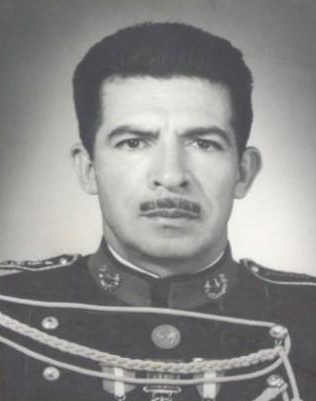
Military career and rise to power
Ríos Montt had a long career in the armed forces and was associated with conservative, anti‑communist currents within Guatemala's military establishment. In March 1982 a military takeover removed the sitting president and a junta placed Ríos Montt at the center of executive power. During his short tenure he pursued security‑first policies, reorganized the counterinsurgency effort and positioned his government as a bulwark against guerrilla movements. He is often described in sources as a Guatemalan politician who assumed power in an extra‑constitutional manner.
Controversies, investigations and trials
Ríos Montt's administration coincided with some of the most intense phases of violence in the long civil war. National and international investigators later documented patterns of scorched‑earth campaigns, massacres and forced displacement that disproportionately affected indigenous communities. Human rights organizations and a UN‑backed commission reported extensive abuses committed by state forces and allied paramilitaries. In the 21st century he was prosecuted on charges including genocide and crimes against humanity; a 2013 conviction was widely reported and then annulled on procedural grounds, and subsequent legal proceedings were interrupted by appeals and health issues before his death.
- President (de facto) of Guatemala: 1982–1983; installed after a coup.
- Policies: aggressive counterinsurgency measures during the civil war.
- Legal aftermath: charged later in life with grave human rights violations; trials attracted broad international attention.
After leaving the presidency Ríos Montt returned to public life in a civilian role, serving in the national legislature and occupying leadership positions within his party; he also retained a base of political support among some sectors of Guatemalan society. His legacy remains contentious: supporters credit him with restoring order during a period of instability, while critics and many scholars emphasize the human cost of his government's methods. Ríos Montt died in Guatemala City on April 1, 2018; reports stated he suffered a heart attack at age 91 (Guatemala City). For further general context on Guatemalan political history see entries and sources linked to the office of the President of Guatemala.
Related articles
Author
AlegsaOnline.com Efraín Ríos Montt Leandro Alegsa
URL: https://en.alegsaonline.com/art/118219
Sources
- bbc.co.uk : "Profile: Guatemala's Efrain Rios Montt"
- nytimes.com : "Efraín Ríos Montt, Guatemalan Dictator Convicted of Genocide, Dies at 91"