
Egon Bahr — German SPD politician and architect of Ostpolitik
Egon Bahr (1922–2015) was a German Social Democratic politician and close adviser to Willy Brandt, known for promoting détente with East Germany and the Eastern Bloc through the policy called "change through rapprochement."
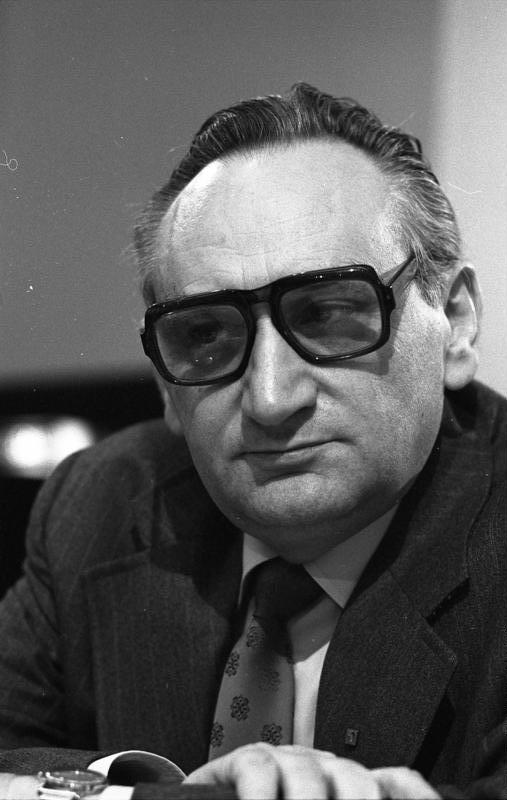
Egon Karl-Heinz Bahr (18 March 1922 – 20 August 2015) was a prominent German politician and strategist of the Social Democratic Party (SPD). He is best known as a close adviser to Chancellor Willy Brandt and as one of the principal architects of West Germany's Ostpolitik, a policy of practical engagement with the German Democratic Republic and other Eastern Bloc states.
Image gallery
3 Images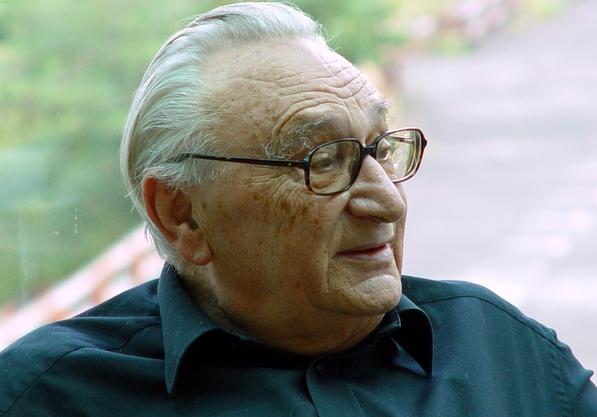

Overview and historical context
Bahr's life and work reflected the upheavals of 20th-century Germany. During World War II he was removed from service in the German armed forces (Wehrmacht) because of partial Jewish ancestry. After 1945 he became a journalist and later entered public service and diplomacy, developing a reputation for discreet negotiating and pragmatic problem solving. In the late 1960s and early 1970s he helped shape a shift in West German foreign policy from isolation to conciliation with East European neighbors.
Role in Ostpolitik
Bahr is often credited with articulating the guiding phrase and spirit behind West Germany's approach to the East, frequently summarized as "Wandel durch Annäherung" (commonly translated as "change through rapprochement"). Rather than seeking confrontation or strict non-recognition, Ostpolitik pursued recognition of existing borders, treaties to reduce tensions, and bilateral contacts intended to improve daily life and reduce the risk of conflict. Bahr's method combined public diplomacy with back-channel talks and incremental agreements.
Positions and career highlights
- Postwar career as a journalist and diplomatic official, building contacts across the divided Germanys.
- Appointed by Chancellor Willy Brandt to serve in the Chancellery; he was State Secretary (head of the Chancellor's Office) from 1969 to 1972 and a close policy adviser.
- Member of the Bundestag from 1972 until 1990; held ministerial responsibilities in the federal government during the 1970s.
Legacy and assessment
Bahr is remembered as a pragmatic negotiator whose policies contributed to the easing of Cold War tensions in Europe and to a framework that ultimately helped create conditions favourable to later German reunification. His work attracted both praise for reducing confrontation and criticism from those who feared it tacitly accepted division. After leaving front-line politics he remained an active commentator and author on foreign policy and German history until his death in 2015.
For further reading on related topics and key figures connected to Bahr's career, see materials on the SPD, institutional histories of the Wehrmacht era, and studies of Chancellor Willy Brandt's government.
Related articles
Author
AlegsaOnline.com Egon Bahr — German SPD politician and architect of Ostpolitik Leandro Alegsa
URL: https://en.alegsaonline.com/art/118222
Sources
- questia.com : A Dictionary of Political Biography
- spiegel.de : www.spiegel.de