
Edward C. Kendall: Nobel-winning chemist and pioneer in hormone research
Overview of Edward Calvin Kendall (1886–1972), his work on adrenal hormones and cortisone, isolation of thyroxine, crystallization of glutathione, career at Mayo and Princeton, and scientific legacy.
Edward Calvin Kendall (born March 8, 1886, South Norwalk, Connecticut — died May 4, 1972, Princeton, New Jersey) was an American chemist and biochemical researcher who played a central role in early 20th‑century hormone chemistry. Trained at Columbia University, Kendall combined chemical isolation techniques with physiological insight to identify and characterize several biologically important substances. He is best known for work on corticosteroids that contributed directly to the therapeutic development of cortisone.
Image gallery
3 Images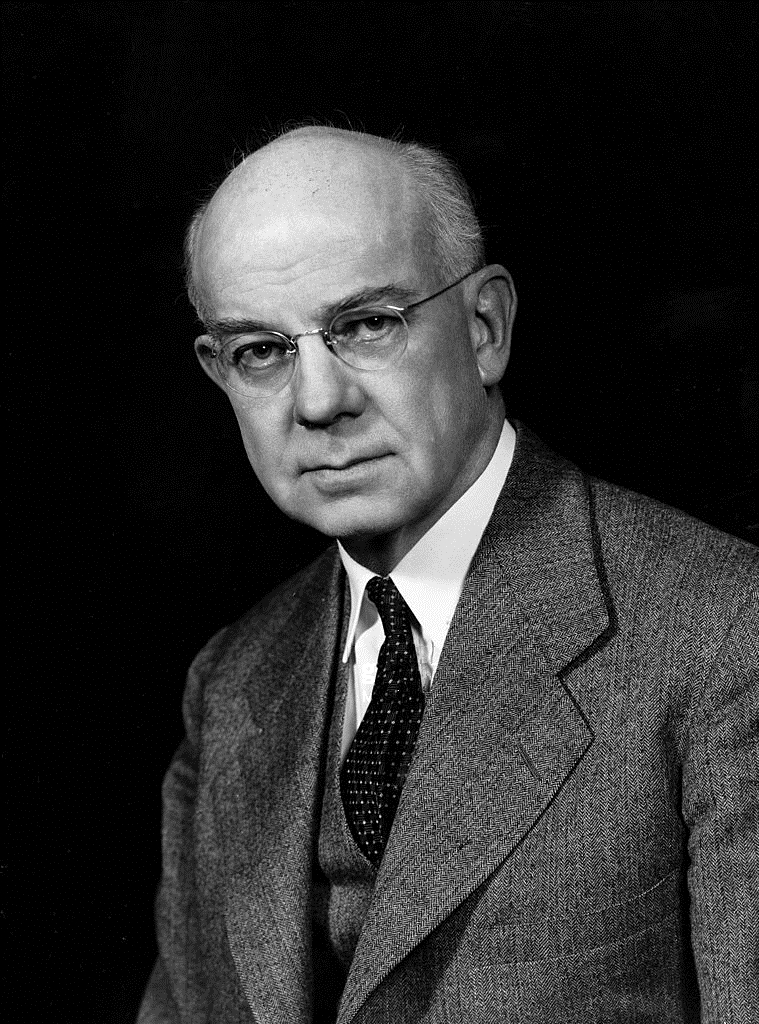


Major scientific contributions
Kendall's laboratory work focused on isolating and characterizing small, biologically active molecules from animal tissues. He and his collaborators succeeded in separating several adrenal cortex compounds and determining aspects of their chemistry. Those discoveries were a key component of the body of work that earned him the 1950 Nobel Prize in Physiology or Medicine, shared with physician Philip S. Hench and chemist Tadeus Reichstein. Kendall's Nobel lecture addressed "The development of cortisone as a therapeutic agent," reflecting the translational impact of his chemical findings on clinical practice.
Beyond corticosteroids, Kendall isolated the thyroid hormone thyroxine and participated in the team effort that crystallized glutathione and elucidated its chemical structure. Those advances strengthened the chemical foundations of endocrinology and cellular biochemistry, improving the ability of researchers to study hormone action and redox chemistry in tissues.
Career and institutions
Kendall spent much of his career at the Mayo Foundation's Graduate School, where he applied classical organic and analytical chemistry to medically relevant problems in endocrinology and metabolism. Later in life, after retiring from the Mayo Foundation, he joined the faculty at Princeton University where he continued to be associated with academic research and teaching until his death. His long professional life bridged laboratory chemistry and clinical application, illustrating an integrative model of biomedical research.
Impact, applications and legacy
The practical consequence of Kendall's work was rapid: the isolation and chemical description of adrenal corticosteroids made possible the therapeutic deployment of cortisone and related compounds for inflammatory and autoimmune conditions, including rheumatoid arthritis. This represented one of the first major examples of a hormone‑based, chemical therapy that moved from bench to bedside. His other contributions, such as isolating thyroxine and advancing knowledge of glutathione, continue to be relevant to endocrinology, pharmacology, and biochemistry.
Notable facts
- Recipient of the 1950 Nobel Prize in Physiology or Medicine (shared with Tadeus Reichstein and Philip S. Hench).
- Gave a Nobel lecture on the development of cortisone as a therapeutic agent.
- Isolated the thyroid hormone thyroxine and helped crystallize and define the structure of glutathione.
- Worked as a biochemist at the Mayo Foundation's Graduate School and later served on the faculty at Princeton University.
- Educated at Columbia University and widely recognized as a bridge between chemical methodology and clinical medicine.
- Often described in historical accounts as an American chemist with a strong focus on biochemical problems (see biochemical context).
For readers seeking original papers, archival material, or a deeper technical account of his methods and compounds, institutional collections at the Mayo Foundation and Princeton preserve correspondence and laboratory notes that document his experimental approaches. General historical overviews of 20th‑century endocrinology also place Kendall's work in the context of the broader transformation of medicine by hormone chemistry. Further institutional and biographical references may be found through specialized archives and scientific histories (Mayo Clinic collections). Additional online or library resources may provide full texts of his publications and his Nobel lecture for readers who want the primary-source perspective.
Related articles
Author
AlegsaOnline.com Edward C. Kendall: Nobel-winning chemist and pioneer in hormone research Leandro Alegsa
URL: https://en.alegsaonline.com/art/118135
Sources
- nobelprize.org : "The Nobel Prize in Physiology or Medicine, 1950"
- nobelprize.org : "Edward C. Kendall – Nobel Lecture"
- nap.edu : "Edward C. Kendall"