
Edmund Kean: British Shakespearean Stage Actor (1787–1833)
Edmund Kean (1787–1833) was a celebrated British stage actor whose intense, natural style transformed early 19th‑century performances of Shakespeare and other tragic roles.
Overview
Edmund Kean (4 November 1787 – 15 May 1833) was a British stage actor best known for powerful, concentrated performances in Shakespearean tragedies. Born in England, he became one of the most discussed and influential performers of the early 19th century, admired for sudden emotional shifts, economy of gesture, and a striking physical presence.
Image gallery
6 Images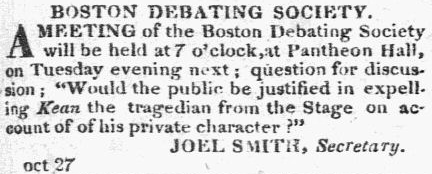



Artistic style and signature roles
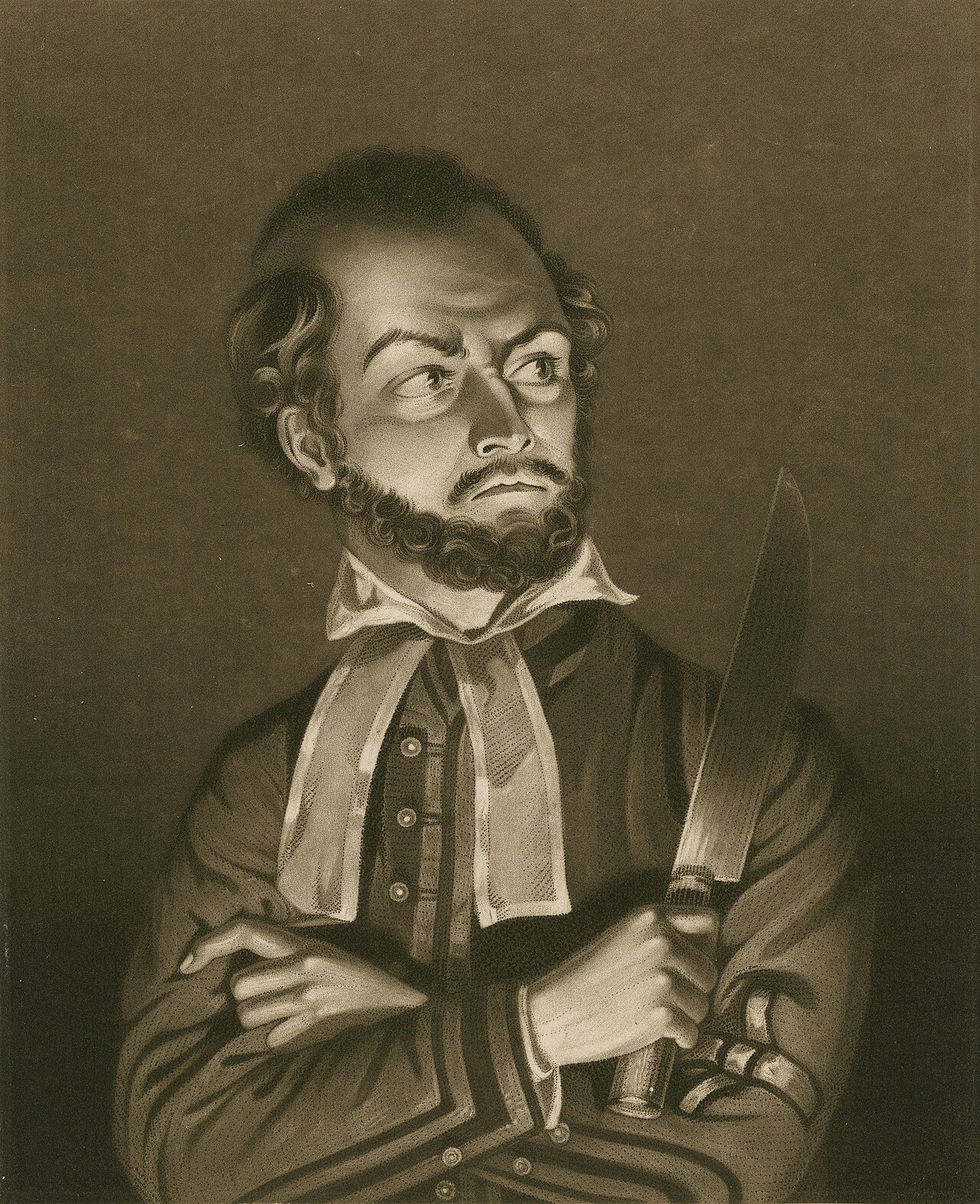
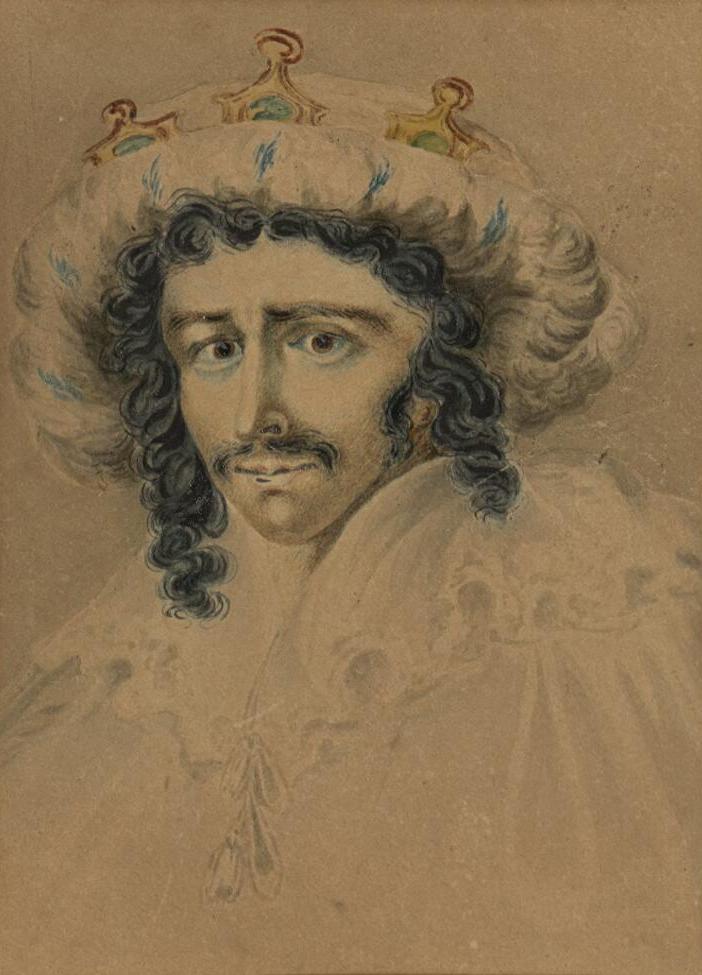
Kean's acting marked a departure from the declamatory style common in the late 18th century. Critics and audiences noted his ability to convey inner turmoil, improvisatory energy, and a raw intensity that emphasized character psychology. His repertoire concentrated on Shakespearean leads and complex villains.
- Shylock (The Merchant of Venice)
- Othello and Iago (Othello)
- Richard III
- Hamlet
Career, reception and public life
Kean rose through provincial theatres before achieving prominence on the major London stages in the 1810s. Contemporary writers and theatre critics commented frequently on his performances; some praised his emotional truth and modern sensibility, while others were unsettled by his departure from traditional manner. His personal life and temperament were often in the press, and he experienced periods of great public acclaim mixed with controversy.
Legacy and significance
Kean helped shift English acting toward a more Romantic, psychologically driven approach that influenced later performers. His concentrated, spontaneous method anticipated aspects of later naturalistic and realistic stagecraft. For further biographical accounts and theatrical studies see biographical sources and broader theatre histories.
Notable facts
Though celebrated for his stage power, Kean struggled with health and personal difficulties in later years and died relatively young. He remains a frequent subject in histories of theatrical performance for the emotional directness he brought to classical roles and for the controversies that accompanied his public persona.
Related articles
Author
AlegsaOnline.com Edmund Kean: British Shakespearean Stage Actor (1787–1833) Leandro Alegsa
URL: https://en.alegsaonline.com/art/118104
Sources
- en.wikisource.org1911_Encyclop%C3%A6dia_Britannica : "Kean, Edmund"