
Ethel Merman: Broadway star and iconic American musical performer
Ethel Merman was an American stage actress and singer known for her powerful belting voice and for originating leading roles in mid-20th-century Broadway musicals. This article outlines her life and legacy.
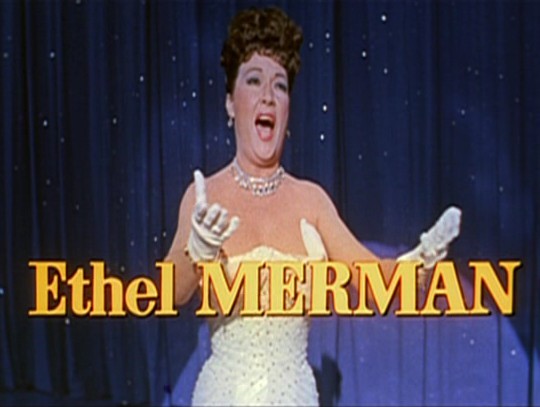
Ethel Merman was an American actress and singer whose brassy, powerful voice and commanding stage presence made her one of the defining performers of Broadway in the mid‑20th century. She became closely associated with the American musical theatre tradition, originating several leading roles and introducing songs that later joined the standard popular repertoire. Her signature tune and public persona helped make musical comedy a national cultural touchstone.
Image gallery
5 Images


Career and artistic characteristics
Merman was celebrated for an assertive, direct singing style often described as "belting"—a way of delivering chest‑dominant, high‑energy material that projected without electronic amplification in the theatre of her era. Critics and fellow performers praised her for impeccable timing, comedic instincts, and a no‑nonsense delivery that suited large ensemble numbers and star turns alike. She combined vocal power with an earthy personality that translated into a strong audience rapport.
Notable roles and repertoire
- Originated prominent parts in major Broadway shows and was the first to perform many songs that later became standards; these songs remain linked to her name and style. See examples of those songs here.
- Her portrayal of the stage mother in Gypsy is among her best‑remembered stage performances and earned wide critical attention.
- She was a leading presence in other title and featured roles that showcased both comedic and dramatic range onstage.
Merman's stage work brought critical recognition, including a Tony Award nomination. In the year she competed with Mary Martin—then associated with the hit production The Sound of Music—Merman narrowly missed the prize, an outcome she later described as one of her greatest professional disappointments. When the film adaptation of Gypsy was cast, the role she had made famous onstage went to Rosalind Russell, a decision often discussed in accounts of Hollywood's treatment of theatre stars.
Beyond the stage, Merman appeared in films, made popular recordings, and was a frequent guest on radio and television programs. Her work helped define a particular American musical‑comedy aesthetic and influenced generations of singers who favored clear projection and theatrical flair.
Today, Ethel Merman is remembered as an emblematic Broadway figure: a performer whose distinctive voice and personality shaped long‑running shows, popularized songs, and left a lasting imprint on American entertainment. Her legacy persists in revivals, recordings, and the continuing study of performance style in musical theatre.
Questions and answers
Q: Who was Ethel Merman?
A: Ethel Merman was an American actress and singer known for her powerful voice and roles in musical theatre.
Q: What was Ethel Merman known for?
A: Ethel Merman was known for her powerful voice and roles in musical theatre.
Q: What famous Broadway song did Ethel Merman sing?
A: Ethel Merman was the first to sing many famous Broadway songs, but "There's No Business Like Show Business" became her theme song.
Q: What was one of Ethel Merman's best remembered performances?
A: One of Ethel Merman's best remembered performances was as the stage mother in Gypsy.
Q: Was Ethel Merman nominated for a Tony Award?
A: Yes, Ethel Merman was nominated for a Tony Award.
Q: What was Ethel Merman's greatest professional disappointment?
A: Ethel Merman's greatest professional disappointment was losing the Tony Award to her close friend Mary Martin in The Sound of Music, with the role going to Rosalind Russell in the movie.
Q: How did Ethel Merman feel about losing the Tony Award to her friend?
A: Ethel Merman said it was "The greatest professional disappointment of my life."
Related articles
Author
AlegsaOnline.com Ethel Merman: Broadway star and iconic American musical performer Leandro Alegsa
URL: https://en.alegsaonline.com/art/118723