
Earl Ray Tomblin
American politician from West Virginia who served as Acting Governor in 2010 and as Governor from 2011 to 2017; former President of the West Virginia Senate.
Overview
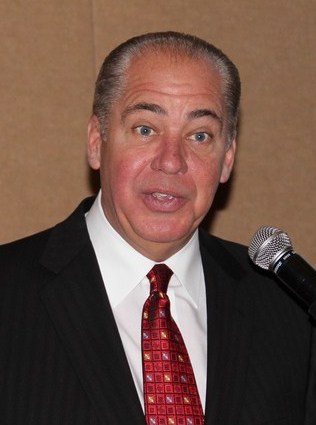
Earl Ray Tomblin (born March 15, 1952) is an American politician and member of the Democratic Party who served as the chief executive of West Virginia. He became Acting Governor on November 15, 2010 after then-Governor Joe Manchin left the office to join the U.S. Senate. Tomblin subsequently won a special election and then a full term, serving as Governor from 2011 until 2017.
Image gallery
3 Images

Early career and legislative service
Before becoming governor, Tomblin built his career in the state legislature. He served for many years in the West Virginia Legislature and rose to leadership as President of the West Virginia Senate. In that role he presided over the upper chamber and held the line of succession that allowed him to assume the governorship when a vacancy occurred. His legislative background shaped his approach to executive office, with an emphasis on working through state institutions and on pragmatic problem solving.
Governorship and priorities
Tomblin served first as Acting Governor and then as the elected Governor following a special election in 2011 and a regular election in 2012. His administration addressed common state issues such as economic development, job creation, education, and infrastructure. As governor he navigated budget cycles, worked with the legislature on policy and appointments, and represented the state on regional and national matters until the end of his term in 2017.
Positions and roles
- Longtime state legislator and leader in the West Virginia Senate.
- Acting Governor from November 2010 following a vacancy in the office; see Acting Governor.
- Winner of a 2011 special election and of the 2012 election to a full gubernatorial term.
Significance and notable facts
Tomblin's tenure illustrates how state constitutional provisions for succession can elevate a legislative leader into the executive role. His path from Senate president to governor is a reminder of the intersection between legislative leadership and executive responsibility in state government. Observers often note his focus on economic and workforce issues typical for governors of a state with a large energy and industrial base.
After office
Following his departure from the governor's office in 2017, Tomblin joined the list of recent West Virginia governors whose careers have included extended public service at the state level. His record is part of ongoing discussions about governance, regional economic strategy, and the role of state executives in responding to local challenges.
Related articles
Author
AlegsaOnline.com Earl Ray Tomblin Leandro Alegsa
URL: https://en.alegsaonline.com/art/118006
Sources
- spilmanlaw.com : "Acting Governor and Serving as Acting Governor: The Differences"