
Donald Rumsfeld: U.S. Secretary of Defense, policymaker, and public figure
Profile of Donald H. Rumsfeld (1932–2021): his career in government and business, two non‑consecutive terms as Secretary of Defense, major policies, controversies, and legacy.
Donald H. Rumsfeld was an American political leader and businessman whose long public life included two non-consecutive terms as United States Secretary of Defense and a range of roles in elected office, diplomatic posts and the private sector. He is widely remembered for his influence on U.S. defense policy in the 1970s and again after 2001, and for the debates his decisions provoked domestically and internationally. Business career and public service defined his professional life.
Image gallery
10 Images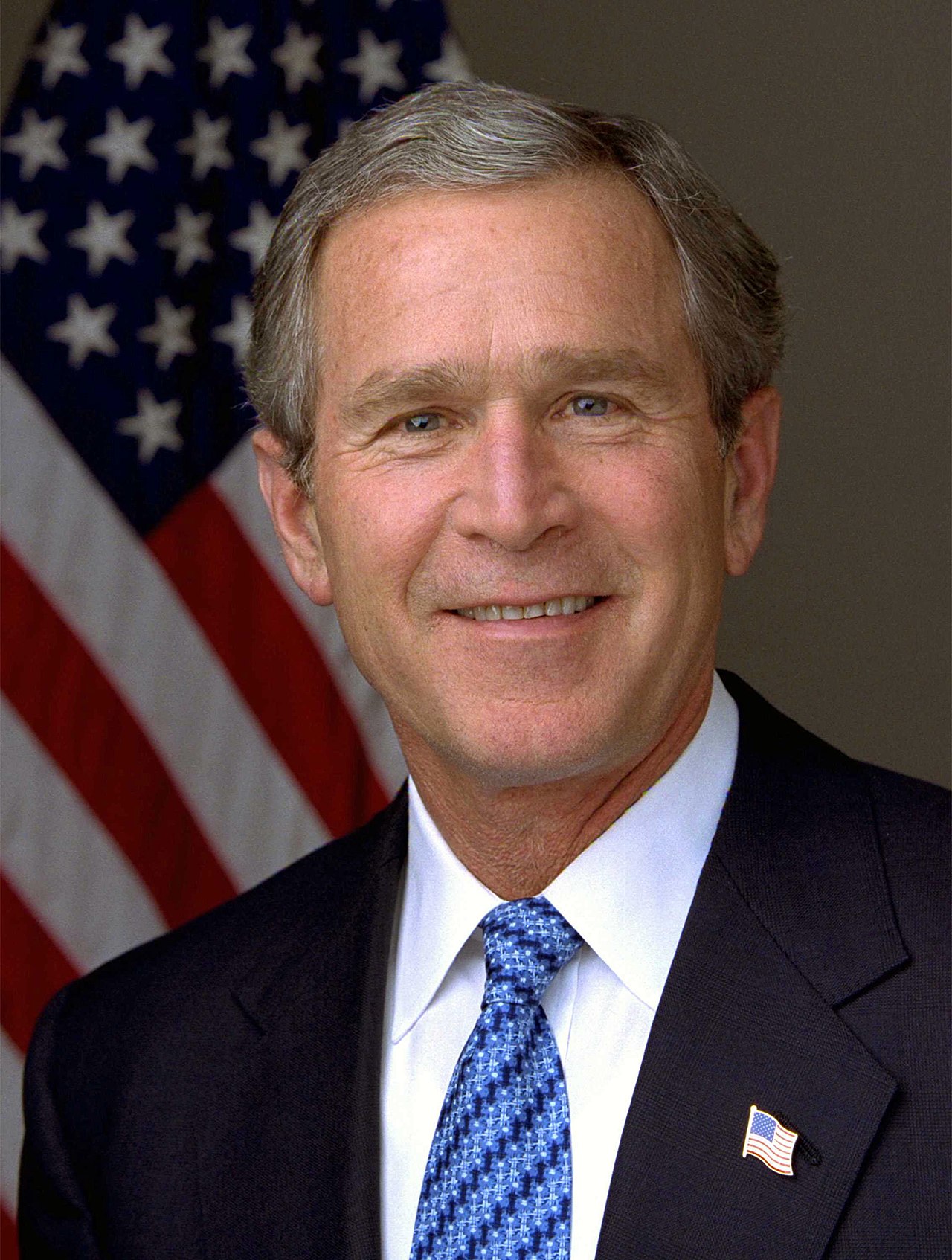


Career overview
Rumsfeld served in the U.S. House of Representatives in the 1960s and later held senior White House and diplomatic posts. He was the 13th U.S. Secretary of Defense under President Gerald Ford and returned decades later as the 21st Secretary of Defense under President George W. Bush. He also served as U.S. Ambassador to NATO and as the White House Chief of Staff. He was briefly a candidate in the 1988 presidential cycle and remained an influential figure in Republican politics. Biographical details such as his education and early life contributed to his policymaking outlook. Defense leadership and international diplomacy were central themes of his career.
Positions and responsibilities
- Member of Congress representing Illinois in the 1960s.
- White House Chief of Staff during the mid-1970s.
- Ambassador to NATO, engaging with allies on security questions.
- Secretary of Defense (two terms): youngest and oldest to hold the office and the only person to do so non-consecutively.
Between government posts he worked in the private sector and on corporate boards, returning to public life when called on for senior national-security responsibilities. He advised campaigns and administrations, helped shape discussions about military transformation and promoted modernization of the armed forces. Presidential politics intersected repeatedly with his career trajectory.
Policies, style and major events
Rumsfeld advocated for a leaner, more technologically driven military and emphasized speed and flexibility. In his second term he managed the Department of Defense through the 2003 invasion of Iraq and the early years of the post‑9/11 wars in Afghanistan and Iraq. His tenure is associated with efforts to transform force structure and with controversial operational decisions. Critics and supporters noted his insistence on centralized decision-making and his focus on rapid adaptation to new kinds of threats. Administration policies under his leadership remain the subject of extensive analysis.
He was known in public discourse for memorable formulations about uncertainty in policy, often summarized as commentary on "knowns" and "unknowns." His management approach and public statements made him a polarizing figure, prompting both praise for modernization efforts and sharp criticism over planning for occupation, detainee treatment, and accountability. Events such as revelations about detention facilities and debates over post-conflict reconstruction shaped assessments of his legacy. Historical comparisons sometimes measure his length of service against other long-serving defense secretaries.
Legacy and later life
After leaving the Pentagon in 2006, Rumsfeld returned to private life but remained a frequent commentator on national security matters and an active presence in memoirs and public debate. He published reflections on his time in office and on defense strategy. Observers place him among the most consequential and controversial defense officials of the late 20th and early 21st centuries. He participated in political campaigns, including advising candidates and contemplating runs of his own in earlier decades, such as the 1988 and the mid-1990s cycles. 1988 campaign activity and later political involvement are part of his public record.
Rumsfeld died on June 29, 2021, at his ranch in Taos, New Mexico. His passing prompted renewed interest in assessing the outcomes of policies pursued under his leadership and in re-examining decisions taken in wartime. Obituaries and retrospectives noted his long service to government, the controversies that accompanied it, and his impact on debates about military organization, civilian control of the military, and national security strategy. Place of death and cause were reported in news accounts. For broader context on his political alliances and roles, see links on civil-military relations, electoral politics, and diplomatic posts. Later political considerations and campaign roles illustrate his ongoing engagement in public life. Additional resources cover his time in Congress, executive branch posts, and post-government writings (presidential connections, state representation, and further readings on defense history and health).
For primary documents, recorded interviews and official statements from his terms in office consult governmental archives and established repositories of public records. Further study helps distinguish policy intent from outcomes and places his actions within the larger sweep of contemporary American foreign and defense policy debates. Business history, political roles, and diplomatic experience together form the complex portrait of a public servant whose career spanned more than four decades.
Questions and answers
Q: When was Donald Henry Rumsfeld born?
A: Donald Henry Rumsfeld was born on July 9, 1932.
Q: What position did he hold under President Gerald Ford?
A: Under President Gerald Ford, Donald Henry Rumsfeld held the position of United States Secretary of Defense from 1975 to 1977.
Q: What is the longest period any person has served as Secretary of Defense?
A: The longest period any person has served as Secretary of Defense is Robert McNamara's term from 1961 to 1968.
Q: What other positions did Rumsfeld hold in his career?
A: In addition to being United States Secretary of Defense, Donald Henry Rumsfeld also held the positions of member of the United States House of Representatives from Illinois between 1963 until 1969, Ambassador to NATO from 1973 until 1974 and White House Chief of Staff from 1974 until 1975 during the Gerald Ford presidency.
Q: Did he run for president at any point in his career?
A: Yes, Donald Henry Rumsfeld ran for President of the United States in the 1988 election but withdrew before any primary contests were held. He also considered running again in 1996 but ultimately decided not to and instead helped Bob Dole's campaign.
Q: How old was he when he died?
A: Donald Henry Rumsfeld died on June 29, 2021 at age 88.
Related articles
Author
AlegsaOnline.com Donald Rumsfeld: U.S. Secretary of Defense, policymaker, and public figure Leandro Alegsa
URL: https://en.alegsaonline.com/art/117807