
Dobri Dobrev — Bulgarian lay philanthropist known as Grandpa Dobri
Dobri Dobrev (1914–2018), often called Grandpa Dobri or the Saint of Bailovo, was a Bulgarian ascetic and philanthropist who walked to Sofia’s Alexander Nevsky Cathedral to collect and donate money to churches and charities.
Overview
Dobri Dimitrov Dobrev (Bulgarian: Добри Димитров Добрев) was a Bulgarian lay philanthropist and ascetic widely known as Grandpa Dobri or the Saint of Bailovo. Born on 20 July 1914, he became a public figure in later life through simple, persistent acts of charity and devotion. He died on 13 February 2018 at Kremikovtsi Monastery at the age of 103.
Image gallery
1 Image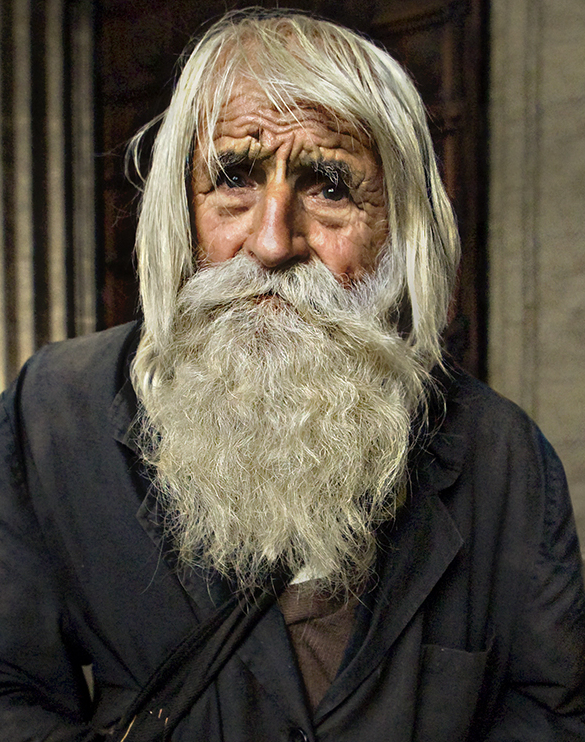
Life and practice
Dobrev lived modestly and spent long hours at churches and in front of the Cathedral of Alexander Nevsky in Sofia, walking several kilometres most days to reach the cathedral and sit or stand there while accepting small donations from passersby. He is reported to have refused personal payments or gifts, choosing instead to forward the funds he collected to orphanages, monasteries, church restorations and other charitable causes. His personal appearance — old, plain clothing and a gentle manner — became part of the public image that attracted attention and respect.
Activities and recipients
The money Dobri collected was not retained for personal use. Over many years he redistributed offerings to church communities, monastic institutions and social-care projects while insisting on humility and anonymity for beneficiaries where possible. His routine and motives were described in media profiles and by people who met him, and his example illustrates a form of lay religious devotion closely tied to practical philanthropy.
Recognition and public response
Although never an ordained clergyman, Dobrev became a symbol of selfless giving in Bulgaria and beyond. Local and international news outlets featured him, and admirers called him by nicknames reflecting affection and reverence. For references to his Bulgarian name and local reports see Bulgarian sources, and for broader profiles see feature articles. His regular presence in front of the cathedral is often mentioned in accounts of Sofia’s public life; the cathedral itself is noted in many descriptions (Cathedral of Alexander Nevsky).
Notable facts and legacy
- He turned 100 in July 2014 and continued his daily walks and charitable work into advanced age (centenary coverage).
- He is remembered for a consistently austere lifestyle and for directing all collected funds to institutions rather than to himself.
- His life raised questions about the ways ordinary citizens can contribute to public religious and social projects outside formal institutions.
Dobrev’s life drew attention not only because of the sums he helped raise for specific projects but because of the moral example he represented to many people: a voluntary, visible practice of humility and service that blurred lines between private faith and public charity. His death at Kremikovtsi Monastery closed a chapter in recent Bulgarian civic memory, and remembrances emphasize both his personal modesty and the tangible effects of his long-term giving.
Related articles
Author
AlegsaOnline.com Dobri Dobrev — Bulgarian lay philanthropist known as Grandpa Dobri Leandro Alegsa
URL: https://en.alegsaonline.com/art/117751
Sources
- bnt.bg : "Дядо Добри"
- vesti.bg : "Дядо Добри на 100 години"
- bnr.bg : "Elder Dobri passes away at 103"