
Dolley Madison: First Lady, Social Hostess, and Symbol of Early Republic
Biography of Dolley Madison, First Lady (1809–1817), her life, role in Washington society, actions during the War of 1812, and lasting cultural legacy.
Overview
Dolley Payne Todd Madison (May 20, 1768 – July 12, 1849) was the wife of President James Madison and served as First Lady of the United States from 1809 to 1817. She became widely known for her skill as a political hostess, for shaping the social role of the presidential household, and for her dramatic actions when British forces burned the public buildings in Washington during the War of 1812. Her name remains associated with the early public rituals of the American presidency and with several anecdotes that have entered popular memory.
Image gallery
10 Images


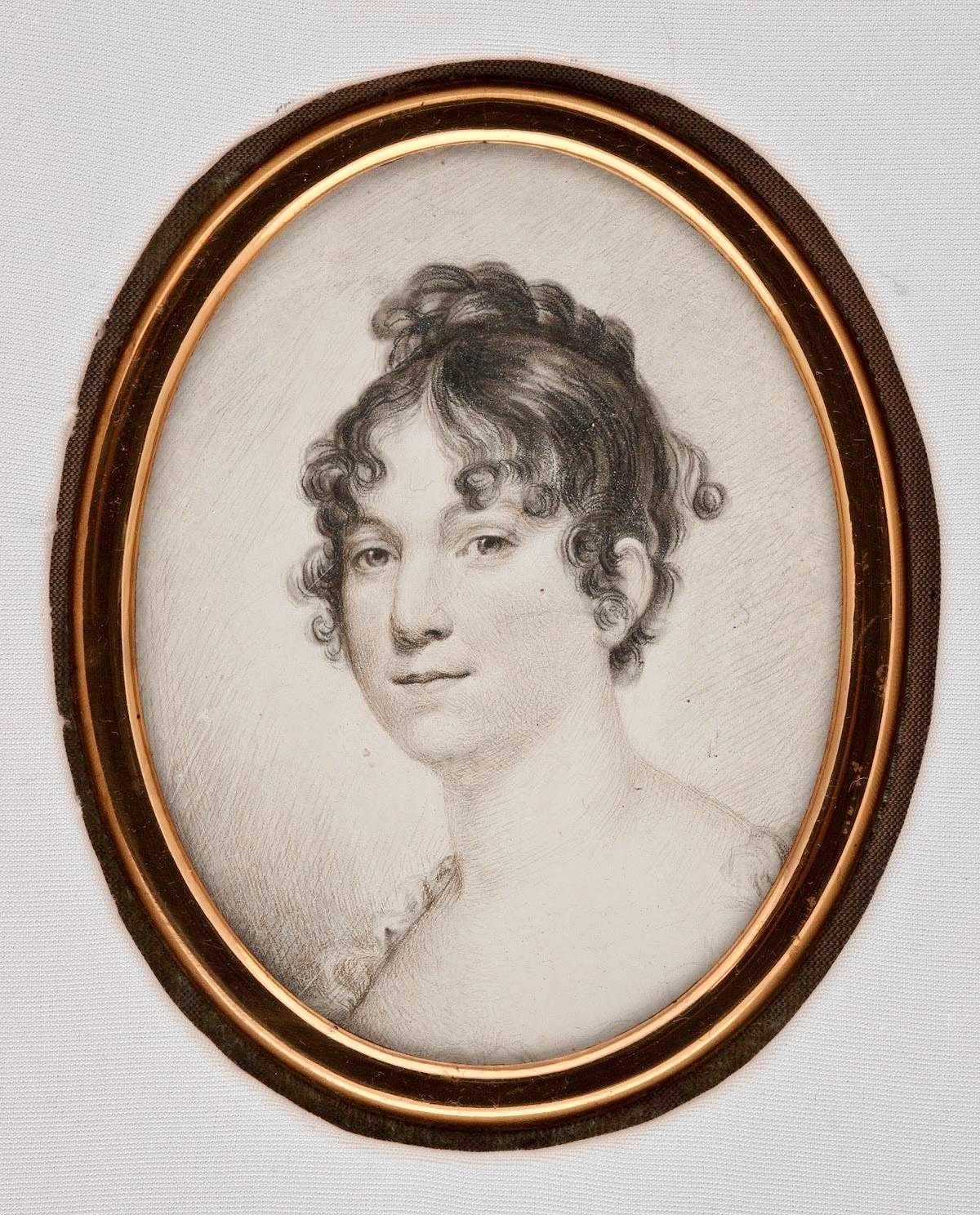

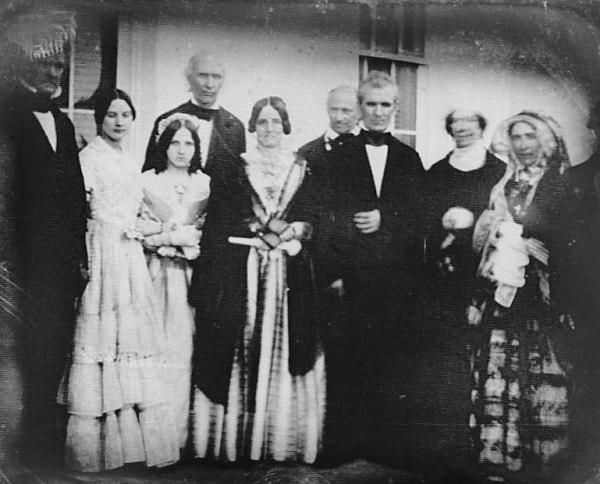


Early life and family
Dolley was born in the area then called New Garden, now part of Guilford County, North Carolina, though some accounts place her birth at Payne's Tavern in Person County. Her parents were John Payne, a farmer, and Mary Coles. After childhood years in North Carolina she spent her adolescence in Philadelphia, where she moved in social and civic circles that shaped her tastes and acquaintances. On January 7, 1790, she married John Todd, Jr., with whom she had two sons; a yellow fever outbreak shortly afterward took the life of her husband and one infant, leaving her a young widow.
Marriage to James Madison and public role
Dolley married James Madison on September 14, 1794. The Madisons had no children together, but they raised Dolley’s surviving son from her first marriage, John Payne Todd. As the president’s wife she established a style of nonpartisan, inclusive social gatherings that helped bridge political divides in the new capital. Dolley’s receptions, often called "levees" or drawing-room events, became essential sites of political exchange, where senators, diplomats, and citizens met informally. Her taste for fashion and conviviality made the White House a center of Washington society.
War of 1812 and the White House burning
During the British attack on Washington in 1814, Dolley Madison played a visible role in evacuating the presidential household. Accounts—some embellished over time—describe her ordering important government papers and valuables out of the Executive Mansion as British troops approached. A famous episode recounts her saving a large portrait of George Washington from the White House; according to tradition she arranged for its removal so it would not be destroyed or carried off when buildings were set ablaze. This story has become one of the enduring images of her courage and quick thinking during a national crisis.
Influence, later life, and legacy
Beyond that moment, Dolley Madison helped define the informal power and visibility of a presidential spouse. She is credited with popularizing social practices at the executive mansion and introducing delights—such as serving ice cream at public functions—that reflected contemporary tastes. After the Madisons left the White House she continued to be a prominent figure in Washington; however, family difficulties, especially the debts and behavior of her son John Payne Todd, created financial and personal strains in later years. She died in 1849 and is remembered for the social bridges she built between citizens and government.
Notable aspects and distinctions
- Social architect: Dolley helped establish the modern role of the First Lady as a national hostess and social mediator.
- Symbolic rescuer: Her efforts during the 1814 burning of Washington made her a symbol of patriotic resolve.
- Cultural anecdotes: Many popular stories—some simplified by retelling—highlight her charm, fashion, and hospitality.
- Personal challenges: Though publicly admired, she faced private financial and family difficulties later in life, tied largely to her son.
Further reading and resources
For more detailed biographies and primary documents about Dolley Madison’s life and influence see resources associated with presidential history and early American society. Biographies of James Madison, collections on the role of the First Lady, and regional histories of her birthplace in North Carolina provide context. Topics connected to her life include public health crises of the era such as yellow fever and the broader disruptions of the epidemics that affected early American cities. The episode of the burning of the White House and the rescue of the Washington portrait are often discussed together; accounts of the portrait’s removal and preservation appear in many museum and archival narratives referencing the George Washington image.
Her life sits at the intersection of private sorrow and public service: she navigated the expectations of a young nation while shaping customs that endure around the presidency.
Questions and answers
Q: Who was Dolley Madison?
A: Dolley Madison was the wife of US President James Madison and served as the First Lady of the United States from 1809 to 1817. She is best known for saving Washington's portrait when the British burned the White House in the War of 1814.
Q: Where was Dolley born?
A: Dolley was born in New Garden, now known as Guilford County, North Carolina or possibly a village named Payne’s Tavern in Person County, North Carolina.
Q: What were her parents' names?
A: Her father's name was John Payne and her mother's name was Mary Coles.
Q: Where did she spend her teenage years?
A: Dolley spent her teenage years in Philadelphia, Pennsylvania.
Q: Who did she marry first?
A: On January 7, 1790, she married John Todd Jr., a lawyer. They had two sons together - John Payne (1792-1852) and William Temple (born and died in 1793). William died in a yellow fever epidemic and shortly after that so did his father.
Q: When did she marry James Madison?
A: Dolley Todd married James Madison on September 14, 1794. They had no children but raised Dolley's son from her first marriage, John Payne Todd.
Q: What is one thing that is attributed to her during the War of 1814?
A: During the War of 1814 when The British army burnt down The White House, it is said that Dolley saved many records and papers including a painting of George Washington which had to be broken out of its frame.
Related articles
Author
AlegsaOnline.com Dolley Madison: First Lady, Social Hostess, and Symbol of Early Republic Leandro Alegsa
URL: https://en.alegsaonline.com/art/117759
Sources
- www2.vcdh.virginia.edu : The Dolley Madison Project