
Dinah Washington — American Jazz, Blues and R&B Vocalist (1924–1963)
Dinah Washington (Ruth Lee Jones, 1924–1963) was an American singer celebrated for her jazz, blues and R&B performances and crossover pop hits, noted for clear diction and emotional phrasing.

Overview
Dinah Washington, born Ruth Lee Jones on August 24, 1924, was an American singer who became one of the most popular vocalists of mid-20th-century jazz, blues and rhythm & blues. Raised in Chicago after being born in Tuscaloosa, Alabama, she developed a powerful, precise voice and a reputation for expressive delivery that allowed her to move easily between intimate jazz ballads and driving R&B numbers. She is often remembered by the epithet "Queen of the Blues" and for memorable recordings that crossed over to mainstream audiences.
Image gallery
4 Images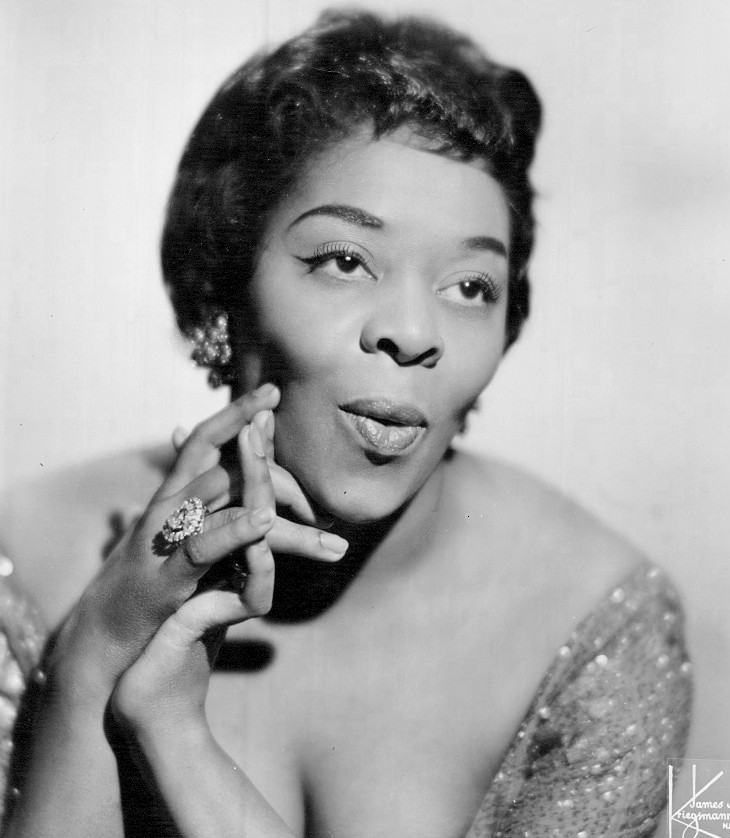


Musical style and career
Washington combined elements of gospel, jazz phrasing and blues feeling. Her timing, crisp enunciation and emotional directness gave many songs a dramatic clarity that resonated with both jazz aficionados and pop listeners. Early work with big bands and small jazz ensembles helped establish her versatility; later studio recordings expanded her audience with more polished arrangements and radio-friendly singles.
Notable recordings and collaborations
- Signature recordings include the ballad "What a Diff'rence a Day Made," which became one of her best-known performances.
- She recorded successful duets and pop-leaning hits—examples often cited are collaborations with contemporary R&B artists of the period.
- Across her career she recorded a broad repertoire: blues, torch songs, jazz standards and up-tempo R&B numbers.
Her broad appeal is illustrated by how she moved from jazz clubs into mainstream record charts, a path followed by several mid-century African American artists who bridged genre boundaries. Washington's work is frequently anthologized and sampled as an exemplar of crossover singing during the 1940s–1960s era.
Legacy and final years
Dinah Washington's influence is evident in later generations of singers who point to her clarity, phrasing and ability to convey vulnerability and strength. She died on December 14, 1963 in Detroit from an accidental drug overdose, cutting short a prolific recording career. Her life story—from gospel roots to national stardom—remains a touchstone for discussions about race, popular music and female performers in mid-century America.
For further reading on her work and context, see resources on R&B and jazz history: R&B overview, jazz vocalists, and regional histories of musicians from Alabama and Chicago. Archive collections and discographies provide detailed session information and lists of recordings.
Related articles
Author
AlegsaOnline.com Dinah Washington — American Jazz, Blues and R&B Vocalist (1924–1963) Leandro Alegsa
URL: https://en.alegsaonline.com/art/117698