
Didier Burkhalter — Swiss politician, Federal Councillor and diplomat
Profile of Didier Burkhalter, Swiss FDP politician from Neuchâtel; Federal Councillor (2009–2017), head of Home Affairs and Foreign Affairs, President of the Confederation and OSCE Chair-in-Office in 2014.
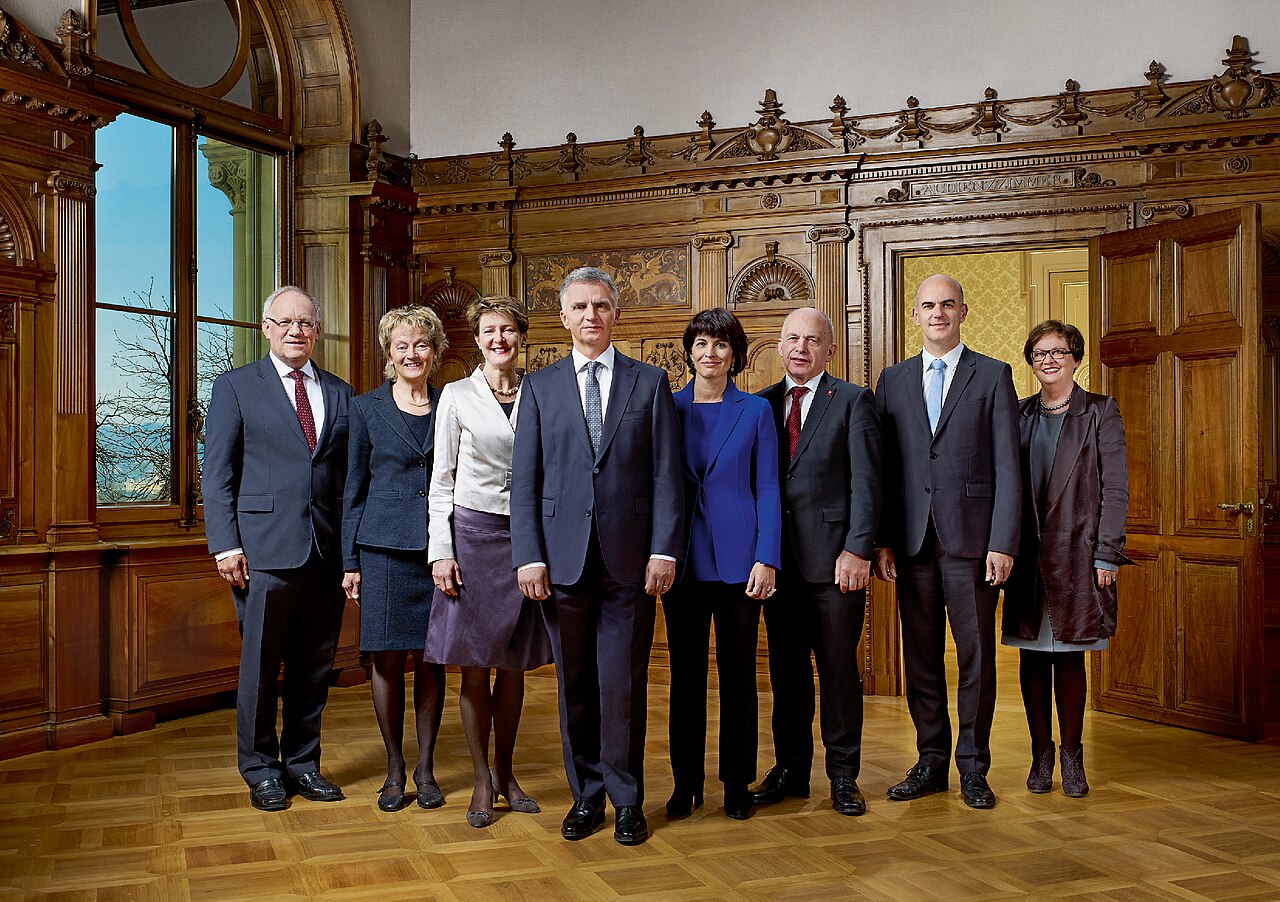
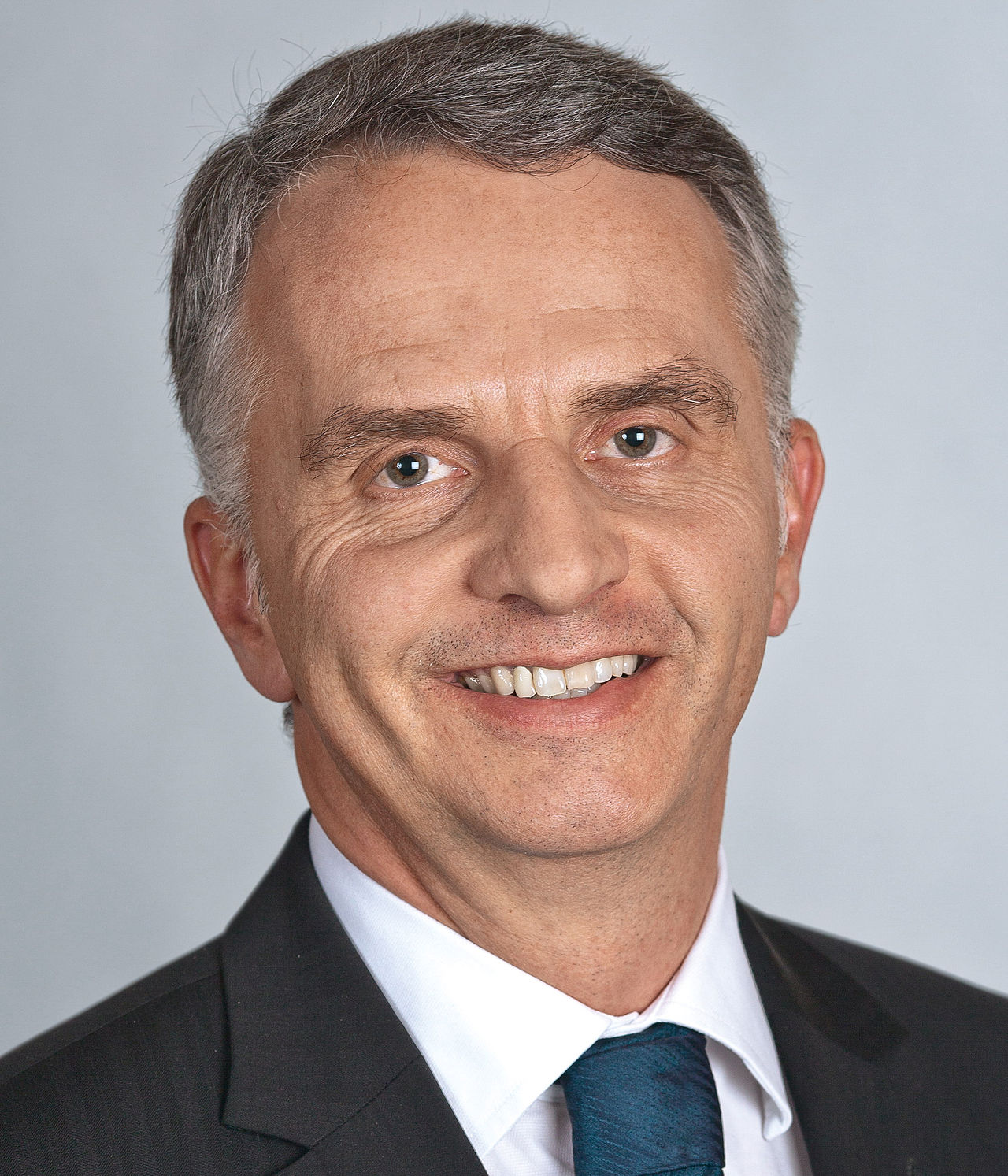
Didier Burkhalter (born 17 April 1960 in Neuchâtel) is a Swiss politician associated with the liberal party FDP.The Liberals. He served on the Swiss Federal Council from 2009 until 2017, holding senior ministerial portfolios and representing Switzerland both at home and abroad. Burkhalter is best known for his work as head of the Federal Department of Home Affairs and later as head of the Federal Department of Foreign Affairs, and for acting as President of the Confederation in 2014.
Image gallery
3 Images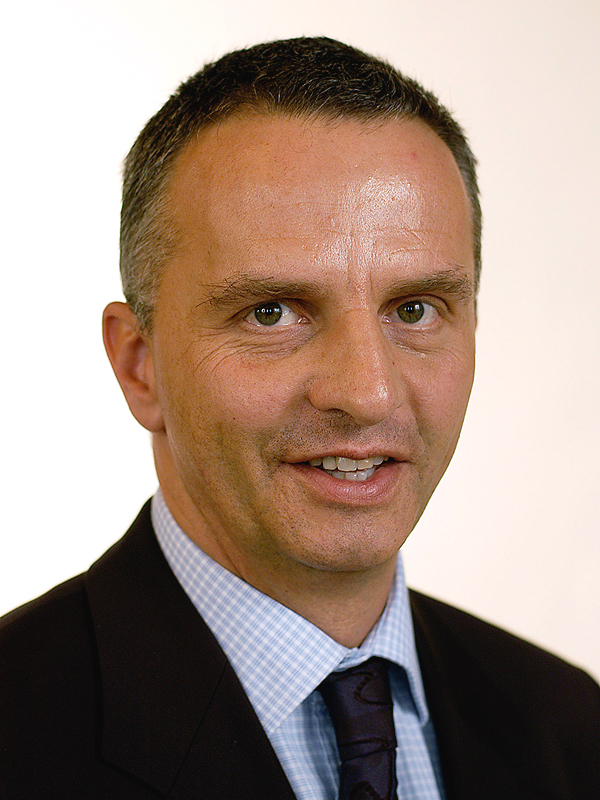
Political career and key offices
Burkhalter was elected to the Swiss Federal Council on 16 September 2009 and took office on 1 November 2009. During his time on the Council he led two different departments and occupied Switzerland’s rotating presidency for one year. His main federal roles included:
- Head of the Federal Department of Home Affairs (from 1 November 2009), overseeing social and health policy, cultural affairs and federal administration responsibilities.
- Head of the Federal Department of Foreign Affairs (from 1 January 2012), shaping Swiss foreign policy, humanitarian engagement and multilateral diplomacy.
- President of the Swiss Confederation in 2014, a largely representative and coordinating role within the Federal Council and the Swiss state Confederation.
- Chairman‑in‑Office of the Organization for Security and Co‑operation in Europe in 2014, representing the OSCE during a turbulent period in European security affairs (OSCE).
Approach and priorities
Burkhalter combined a pragmatic, consensus‑seeking style typical of Swiss coalition government with a focus on humanitarian and multilateral solutions. While heading the interior ministry he dealt with issues such as public health and cultural policy; as foreign minister he emphasized Switzerland’s traditional role as a neutral mediator, promoted humanitarian assistance, and engaged in dialogue on European neighbourhood matters. In 2014, his OSCE chairmanship coincided with the crisis in Ukraine and increased attention on conflict monitoring and diplomatic negotiations.
His political outlook aligns with the centre‑right liberal tradition of his party, favouring open markets, federalism and active participation in international institutions while respecting Swiss neutrality. He was also noted for efforts to strengthen Switzerland’s image as a reliable interlocutor in crisis situations and for promoting small‑state diplomacy in multilateral fora.
Burkhalter left the Federal Council on 31 October 2017 and was succeeded by Ignazio Cassis. After leaving federal office he remained a recognizable figure in Swiss public life, occasionally speaking on foreign policy, international cooperation and domestic political reforms.
Notable facts and legacy
- His presidency in 2014 and simultaneous OSCE chairmanship placed him at the centre of European diplomacy during a period of heightened east–west tensions.
- He is part of the francophone political tradition of Switzerland, originating from the canton of Neuchâtel.
- Burkhalter’s tenure is often associated with a steady, conciliatory diplomatic approach and continued Swiss engagement in humanitarian and multilateral initiatives.
For a concise overview of his public roles and positions, see official and archival resources that document his Federal Council mandates and international engagements. Further details about specific policies and later activities can be found through contemporary Swiss government publications and reputable news archives.
Didier Burkhalter remains a relevant figure for those studying Swiss politics, federal governance and small‑state diplomacy in the early 21st century.
Related articles
Author
AlegsaOnline.com Didier Burkhalter — Swiss politician, Federal Councillor and diplomat Leandro Alegsa
URL: https://en.alegsaonline.com/art/117657
Sources
- tagesanzeiger.ch : "Burkhalter wird Aussen-, Berset Innenminister"
- letemps.ch : "Didier Burkhalter passe le témoin à Ignazio Cassis"