
President of the Swiss Confederation
Chair of Switzerland’s seven-member Federal Council; a primus inter pares who serves a single one-year term as the federal government's representative while remaining a councillor.
Overview
The President of the Swiss Confederation is the presiding member of the seven-person Federal Council, Switzerland’s collective executive. The post is best understood as primus inter pares (first among equals): the president chairs council meetings and performs special representative duties but does not possess additional executive powers over colleagues.
Image gallery
10 Images


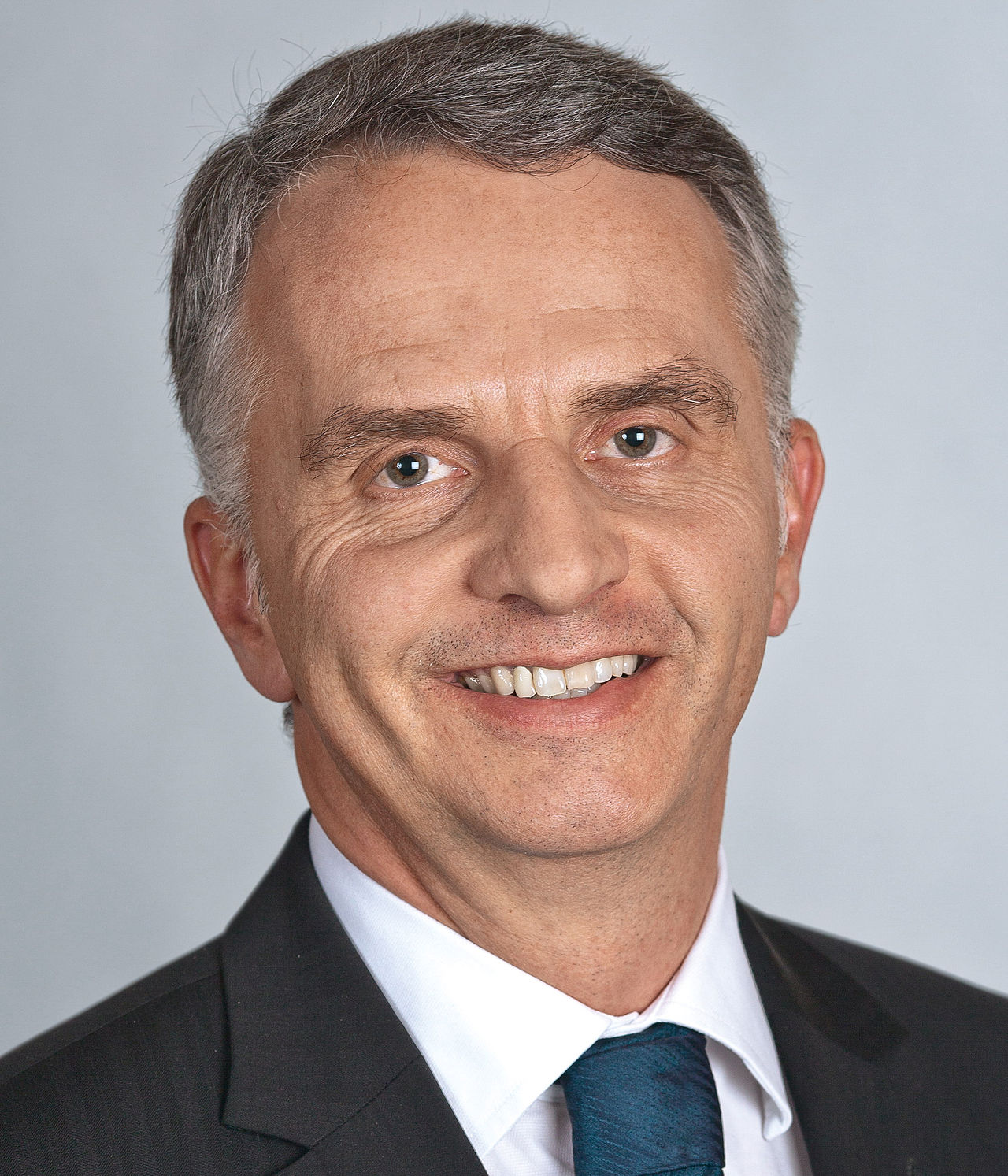


Selection and term
The president is elected annually by the United Federal Assembly, the joint session of both chambers of parliament, typically in December for the following calendar year. Election normally follows a rotation among the Federal Councillors; the Federal Assembly also elects a vice president who most often becomes president the next year.
Responsibilities and duties
The president chairs Federal Council sessions, helps set agendas and represents Switzerland at official ceremonies and foreign visits. The office carries important ceremonial and protocol functions: receiving ambassadors, signing certain official instruments on behalf of the Council and speaking for the government on high-profile occasions. The president remains head of their own federal department and continues to exercise those ministerial responsibilities.
Legal status and limits of authority
Under Switzerland’s constitution the Federal Council is a collective head of state. The presidency does not concentrate decision-making authority; major decisions are taken collegially, and the president has no veto power or unilateral command over other councillors. The arrangement reflects Switzerland’s commitment to collegiality, consensus and federal balance.
History and notable features
The office dates to the founding of the federal state in the 19th century when a collegial executive was chosen to avoid personal rule. The annual rotation and short term are distinctive: they emphasize shared responsibility and reduce the prospects of political personalization. Because the role is largely representative, presidents often serve foreign-state visits and national commemorations rather than directing domestic policy single-handedly.
Typical duties (summary)
- Chair Federal Council meetings and coordinate the Council’s work
- Represent Switzerland abroad and receive visiting heads of state
- Perform ceremonial and protocol functions at home
- Continue to lead their federal department and participate in collective decisions
These features make the Swiss presidency a distinctive blend of symbolic head-of-state functions and ordinary ministerial duties within a strong collegial system of government.
Questions and answers
Q: Who is the President of the Swiss Confederation?
A: The President of the Swiss Confederation is the chair of the Federal Council of Switzerland.
Q: What is the role of the President in Switzerland?
A: The President is first amongst equals of councillors in the executive branch of the Swiss government.
Q: How many members are there on the Federal Council?
A: The Federal Council has seven members.
Q: Is there a term limit for being President?
A: Yes, each member serves for four years and then must step down from their position.
Q: Is it possible to be re-elected as President after stepping down from office?
A: Yes, it is possible to be re-elected as long as they have not served two consecutive terms.
Q: Does being part of the Federal Council give any additional powers to its members?
A: No, all members have equal power within their roles on the council.
Q: What other roles do members serve in addition to being part of this council?
A: Members also serve as heads or representatives for various departments within Switzerland's government such as foreign affairs, defense, finance and justice.
Related articles
Author
AlegsaOnline.com President of the Swiss Confederation Leandro Alegsa
URL: https://en.alegsaonline.com/art/78906