
Deng Liqun: Chinese Communist Party ideologue and conservative elder
Deng Liqun (1915–2015) was a long-serving Chinese Communist Party official and senior ideologue known for conservative positions on reform, ideological campaigns in the 1980s, and close association with earlier party leaders.
Deng Liqun (November 27, 1915 – February 10, 2015) was a veteran Chinese Communist Party official and influential party ideologue. Born in Guidong County, Hunan, he joined the Party in the mid-1930s and spent most of his life working within central party institutions. Deng is widely remembered as a representative of the Party’s conservative wing during the reform era of the 1980s and early 1990s. Deng Liqun
Image gallery
1 Image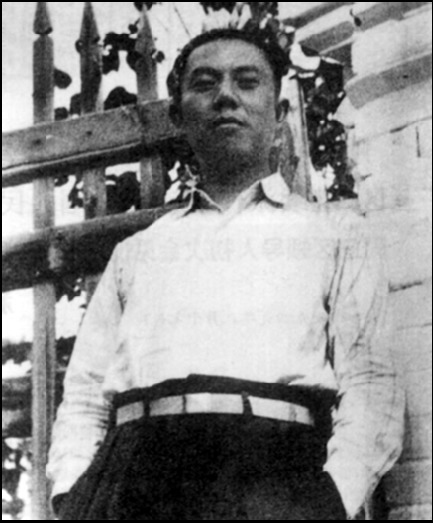
Early life and career
Deng was born in southern Hunan province and became active in Communist youth and party work before and during the wartime revolutionary period. He served in organizational and secretarial roles that brought him close to senior leaders; at one point he worked as a secretary to Liu Shaoqi, a leading Party figure of the early People’s Republic. Those early experiences established Deng’s reputation as a skilled administrator and a careful ideological technician. Liu Shaoqi and the revolutionary generation shaped his outlook and methods.
Ideology and political role
During the 1980s Deng emerged as a prominent advocate for orthodox Marxist doctrine and for maintaining strong Party control over culture, education, and the media. He was associated with campaigns against what were termed "spiritual pollution" and "bourgeois liberalization," and he frequently criticized rapid market-oriented reforms as politically risky. Observers commonly describe him as part of the conservative or "left" faction that pushed back against aspects of Deng Xiaoping–era economic liberalization.
Positions, influence, and factional disputes
Over several decades Deng held senior posts concerned with ideological work, personnel matters and party organization. He used institutional channels to promote cadres who shared his priorities and to resist policies he saw as diluting socialist principles. His influence waxed and waned with broader leadership changes; at times he was a key behind-the-scenes player in factional disputes over reform speed and party control.
Legacy and assessment
Deng Liqun died in 2015 at the age of 99. His legacy is contested: supporters praise his commitment to party discipline and socialist orthodoxy, while critics say his positions hindered economic and intellectual openness. Histories of late 20th-century China cite him as an important example of how ideological debate shaped policy and personnel decisions. For background on the organization he served, see the Communist Party of China and regional context in Hunan province.
- Born: Guidong County, Hunan (1915)
- Joined the Communist Party: 1936
- Served as a secretary to Liu Shaoqi and later held senior ideological roles
- Known for opposing rapid market reforms and defending orthodox party doctrine
Related articles
Author
AlegsaOnline.com Deng Liqun: Chinese Communist Party ideologue and conservative elder Leandro Alegsa
URL: https://en.alegsaonline.com/art/117495
Sources
- books.google.com : Biographical Dictionary of the People's Republic of China