
Deniece Williams — American singer-songwriter and Grammy winner
Deniece Williams (born 1950) is an American singer-songwriter known for her wide soprano voice, hits in R&B and pop, and later gospel recordings, including the 1984 single "Let's Hear It for the Boy."
Overview
Deniece Williams (born June 3, 1950, in Gary, Indiana) is an American singer and songwriter whose career spans R&B, pop and gospel. A Grammy Award-winning artist, she is widely remembered for the 1984 single "Let's Hear It for the Boy," which crossed pop and adult-contemporary audiences and featured on a major film soundtrack. Williams combined pop accessibility with gospel-rooted phrasing throughout her work.
Image gallery
2 Images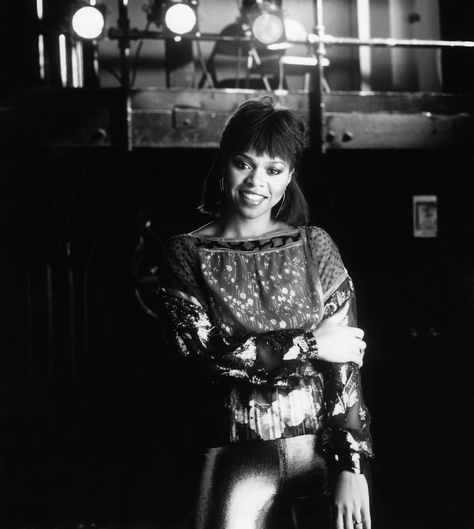
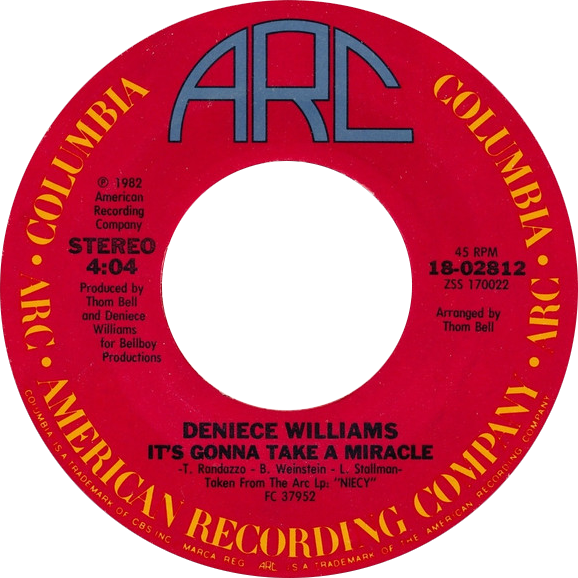
Early life and career beginnings
Raised in a musical family and influenced by church singing, Williams began her professional career in the 1960s and 1970s as a session and backup vocalist before recording as a lead artist. Her early solo albums produced soulful ballads and midtempo R&B tracks that brought her broader recognition and radio play in the mid-1970s.
Musical style and voice
Williams is noted for a clear, agile soprano and expressive delivery. Critics and listeners have praised her ability to move from intimate gospel-inflected lines to bright pop highs. Her repertoire ranges from tender love songs to inspirational gospel material, reflecting her dual roots in secular and sacred music.
Notable recordings and achievements
- "Let's Hear It for the Boy" — 1984 pop hit associated with a major movie soundtrack.
- 1970s and 1980s R&B and pop singles that expanded her audience and radio presence.
- Collaborations and duets with other prominent artists, and recognition as a songwriter and performer.
Later work and legacy
In later decades Williams recorded more explicitly inspirational and gospel albums, earning awards and praise inside and outside of gospel circles. Her career is often cited as an example of a singer who successfully navigated both secular pop/R&B markets and spiritually themed music, influencing vocalists who value technical clarity and emotional warmth.
Further notes
For a concise discography and more on her awards and collaborations, consult dedicated music references and archives. Her long career illustrates changing popular tastes while highlighting a distinctive soprano voice that remains associated with several enduring recordings and live performances. Additional resources and interviews may be found via music databases and authorized biographies (official profiles, award listings, and archival pages about her hometown).
Related articles
Author
AlegsaOnline.com Deniece Williams — American singer-songwriter and Grammy winner Leandro Alegsa
URL: https://en.alegsaonline.com/art/117499
Sources
- books.google.co.uk : Encyclopedia of African-American culture and history
- books.google.co.uk : BMI: The Many Worlds of Music