
David Tonkin: Premier of South Australia (1979–1982)
Biography of Dr David Tonkin, 38th Premier of South Australia (1979–1982): political rise, major policies including mining and land rights, anti-discrimination laws, and lasting legacy.
Overview
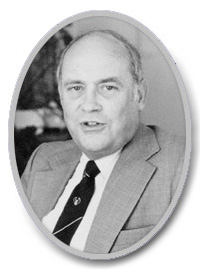
Dr David Tonkin (20 July 1929 – 2 October 2000) was the 38th Premier of South Australia, serving from 18 September 1979 until 10 November 1982. First elected to the state parliament at the 1970 election, he became leader of the South Australian Liberal Party in 1975 and led the party into government after the resignation of Don Dunstan. Tonkin's time as premier combined a focus on economic management with an intention to maintain several socially progressive directions that had emerged in the previous decade.
Image gallery
2 Images
Political career
Tonkin's rise within state politics came at a time of active public debate about spending, industry and social reform. He assumed party leadership in the mid-1970s and won office in 1979. His administration lasted a single parliamentary term and was defeated at the 1982 election by the Labor Party under John Bannon. After leaving the premiership Tonkin continued to be involved in public affairs and was recognised with the Officer of the Order of Australia (AO) for his service.
Policy and legislation
Tonkin's government emphasised prudent financial management and sought to encourage primary and resource industries. Ministers promoted expansion of mining activity, including development of copper and uranium interests, as part of a broader strategy to stimulate jobs and investment. The administration aimed to attract capital while containing growth in public expenditure.
While economically oriented, the government also enacted reforms with social aims. It introduced measures designed to protect individuals from unfair treatment, strengthening anti-discrimination protections and workplace equal opportunity policies. These actions continued a pattern in South Australian politics of combining market and civic reforms rather than pursuing only fiscal priorities.
Land rights and Indigenous recognition
A notable achievement of Tonkin's term was passage of legislation in the early 1980s that returned legal title over large tracts of land to traditional owners in the state's north. That law granted the Pitjantjatjara and Yankunytjatjara peoples ownership of much of their ancestral homeland, a significant milestone for Indigenous land rights in Australia and a precedent for later debates about native title and community control.
Major initiatives
Key themes and initiatives associated with Tonkin's administration include:
- Economic management and efforts to strengthen the state's economy through resource development and investment promotion.
- Support for growth in mining sectors such as copper and uranium to diversify state revenue.
- Introduction and reinforcement of anti-discrimination and equal opportunity measures to protect civil and workplace rights.
- Legislative recognition of Indigenous land ownership for Pitjantjatjara and Yankunytjatjara communities.
Significance and legacy
Although Tonkin served only one term as premier, his government is remembered for attempting to balance economic priorities with social reform. Histories of South Australia note that he preserved several progressive initiatives from the previous era while redirecting attention to industrial and fiscal issues. The land rights legislation and anti-discrimination measures remain part of his enduring legacy, and his administration is often cited as an example of centrist governance in state politics during the late 20th century.
Related articles
Author
AlegsaOnline.com David Tonkin: Premier of South Australia (1979–1982) Leandro Alegsa
URL: https://en.alegsaonline.com/art/117391