
David Irving
British author David Irving (born 1938) wrote on World War II and Nazi Germany; later became best known for Holocaust denial, high-profile legal defeats, and rejection by mainstream historians.
Overview
David John Cawdell Irving (born 24 March 1938) is an English writer who produced a number of books and articles on the military and political history of the Second World War. Early in his career he attracted attention for work on wartime events and personalities, but he later became widely known for denying the Holocaust and for controversial interpretations of Nazi history. His published titles include narratives about campaigns and prominent figures in the German leadership.
Image gallery
10 Images


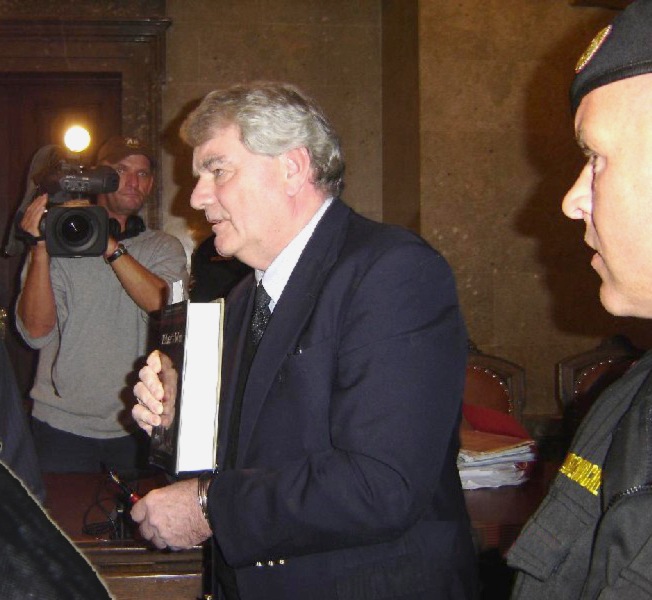


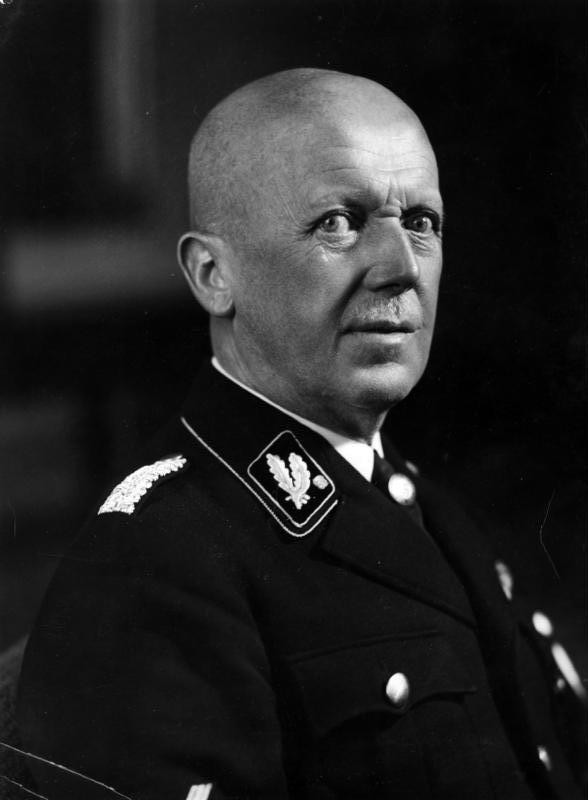
Major works
Irving's best-known books include The Destruction of Dresden (1963), Hitler's War (1977), Churchill's War (1987) and Goebbels: Mastermind of the Third Reich (1996). These works combine selection of archival material, biography, and military description. Critics have pointed to problems in his use of sources and interpretation, while supporters have sometimes praised the vivid narrative style. For summaries of his topics see general overviews of World War II military history and studies of Nazi Germany.
Controversies and legal cases
From the 1970s onward Irving embraced positions that denied or minimized the systematic, state-sponsored extermination of Jews in Nazi-occupied Europe. He argued, among other claims, that Adolf Hitler did not know of the Final Solution or, if he did, had opposed it—an interpretation rejected by mainstream scholars. These views led to public condemnation, academic repudiation, and legal action. A British court found in a libel suit that Irving had distorted and manipulated historical evidence to support denialist conclusions. He was also convicted under Austria's laws criminalizing Holocaust denial.
Reception and legacy
Mainstream historians and academic institutions do not accept Irving's revisionist claims. Assessments by professional historians point to selective quotation, misrepresentation of documents, and reliance on dubious sources. His reputation shifted from that of a controversial wartime writer to that of a figure associated with Holocaust denial and far-right circles. Courts and scholarly reviewers have played central roles in shaping public understanding of his work.
Broader significance
Irving's career highlights several broader issues: how historical scholarship assesses evidence and methodology; the legal and ethical limits of speech about atrocities; and the social impact of attempts to revise widely established facts. Debates generated by his work prompted renewed attention to standards of proof in historiography and to laws in some countries that address denial of mass crimes.
- Notable titles: The Destruction of Dresden, Hitler's War, Goebbels.
- Legal outcomes: found to have distorted evidence in a UK trial; convicted in Austria for Holocaust denial.
- Historical assessment: rejected by mainstream historians for methodology and conclusions.
Related articles
Author
AlegsaOnline.com David Irving Leandro Alegsa
URL: https://en.alegsaonline.com/art/117302
Sources
- books.google.com : Extreme Speech and Democracy