
Dan Caspi — Israeli communication scholar, journalist and activist
Dan Caspi (1945–2017), Israeli lecturer and public intellectual who taught communication studies at Ben-Gurion University; noted for media criticism, public commentary and civil society engagement.
Overview
Dan Caspi (December 1, 1945 – January 22, 2017) was an Israeli academic, journalist and public activist. Over several decades he bridged university research and everyday media commentary, shaping debates about journalism, public discourse and the role of media in Israeli society. He was widely respected as a critical voice who combined scholarly rigor with accessible writing.
Image gallery
1 Image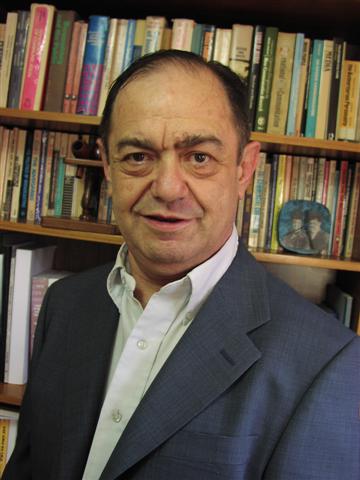
Career and teaching
Caspi spent much of his academic career in the Communication Studies Department at Ben-Gurion University of the Negev in Beersheba. In that setting he taught courses, supervised students and participated in curriculum development aimed at understanding mass communication, media institutions and the sociopolitical context in which media operate. His work emphasized the connection between theory and practice, encouraging students to apply analytical tools to contemporary media events.
Journalism and public writing
Alongside his university duties, Caspi was active as a journalist and commentator. He wrote essays and columns for newspapers and magazines, appeared in public forums, and produced analyses intended for a broad readership. His writing sought to explain complex media phenomena in clear terms, while holding media organizations and political actors accountable for their influence on public opinion.
Research themes
- Media criticism and the structure of news production
- Communication policy and the public sphere
- Journalistic ethics and professional standards
- Relations between media, politics and social movements
Activism and public engagement
Caspi combined scholarship with civic engagement, participating in public debates about freedom of expression, media regulation and democratic oversight. He was regarded as an activist-intellectual who used research and public writing to support transparency, pluralism and informed citizenship. His interventions often aimed to strengthen civil society and enhance the quality of public conversation.
Legacy
Dan Caspi left a legacy as a teacher, critic and public commentator. Colleagues and former students remember him for rigorous analysis, clear prose and persistent attention to the social implications of media. His work continues to be cited in discussions of Israeli media, communication policy and the responsibilities of journalists in democratic societies.
Related articles
Author
AlegsaOnline.com Dan Caspi — Israeli communication scholar, journalist and activist Leandro Alegsa
URL: https://en.alegsaonline.com/art/117102
Sources
- israelnationalnews.com : "Communications researcher Dan Caspi passes away"