
Dési Bouterse: military leader and president of Suriname
Biography and overview of Dési Bouterse, Surinamese military leader and politician; his role in the 1980 coup, human rights controversies, political career, presidency (2010–2020) and legacy.
Overview
Dési Delano Bouterse (born 13 October 1945) is a Surinamese political and military figure who dominated his country's public life for decades. He first rose to prominence as the leader of a 1980 military coup and later transitioned into electoral politics. Bouterse served as President of Suriname from 2010 until 2020 and headed the National Democratic Party (NDP), the political movement he helped form after the end of direct military rule.
Image gallery
5 Images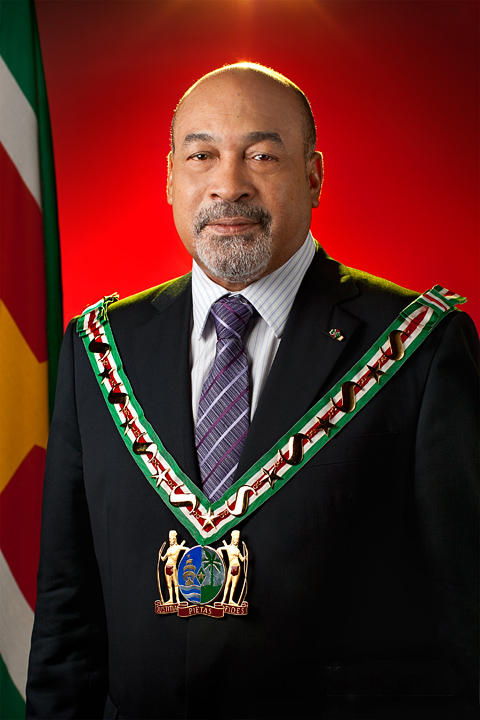



Rise to power and military rule
In late February 1980 a group of non-commissioned officers led by Bouterse overthrew the elected government in what is often called the Sergeants' Coup. The coup replaced civilian authority with a military-dominated regime in which Bouterse was the most influential figure. During the 1980s the military government controlled many aspects of Surinamese politics and security, and Bouterse retained considerable power even after formal institutions were restored.
Human rights controversies and legal cases
Bouterse's time as the dominant figure in the 1980s is widely associated with serious human rights violations. The most internationally known incidents include the December murders—where fifteen critics and opponents were killed in 1982—and an attack on the Maroon village of Moiwana, which resulted in multiple deaths and displacement. These events have been examined by national and international bodies and have shaped much of Bouterse's public reputation. In December 2019 a Surinamese court convicted Bouterse for his role in the December murders and sentenced him to imprisonment; the verdict provoked intense political and legal debate in Suriname.
Political career and presidency (2010–2020)
After the period of military dominance ended, Bouterse moved into party politics. He founded and led the National Democratic Party (Nationale Democratische Partij), which became a major force in Surinamese elections. In July 2010 he was elected president by the National Assembly and served a full decade in office. His presidency emphasized national sovereignty and development initiatives favored by his party, but it was also marked by ongoing controversy over accountability for past abuses and by international criticism related to governance and rule of law.
Legacy and contested memory
Bouterse remains a polarizing figure in Suriname and abroad. Supporters credit him with political leadership and with giving a voice to constituencies long underrepresented in capital politics; critics see his career as emblematic of authoritarian practices, impunity for serious crimes, and interference with judicial and democratic processes. Debates over how to remember the 1980s, how to secure justice for victims, and how to reconcile different political constituencies continue to influence Surinamese society and politics.
Key events and timeline
- 1945: Birth of Dési Bouterse.
- 1980: Led a military coup that brought the armed forces to power.
- 1982–1986: Period associated with the December murders and the Moiwana massacre.
- 1987: Transition away from overt military rule and formation of the National Democratic Party.
- 2010–2020: Served as democratically elected President of Suriname.
For further background on Surinamese politics and the long-term effects of the 1980s on the country's institutions, consult general overviews of modern Suriname and human rights reports. See also discussions of civil-military relations and transitional justice in the region. Additional information is available through regional and international resources and national archives that document the events referenced above. politician
Related articles
Author
AlegsaOnline.com Dési Bouterse: military leader and president of Suriname Leandro Alegsa
URL: https://en.alegsaonline.com/art/116932