
Dadasaheb Phalke — pioneer and father of Indian cinema
Dhundiraj Govind 'Dadasaheb' Phalke (1870–1944) is regarded as the father of Indian cinema for directing Raja Harishchandra (1913) and establishing early Indian filmmaking; the Dadasaheb Phalke Award honors his legacy.
Dhundiraj Govind Phalke, widely known as Dadasaheb Phalke (30 April 1870 – 16 February 1944), is celebrated as the founder of Indian cinema. His work at the start of the 20th century introduced narrative feature filmmaking to audiences on the subcontinent and inspired a generation of filmmakers, technicians and actors. He combined practical skills in visual arts and optics with storytelling drawn from Indian myth, legend and social life.
Image gallery
2 Images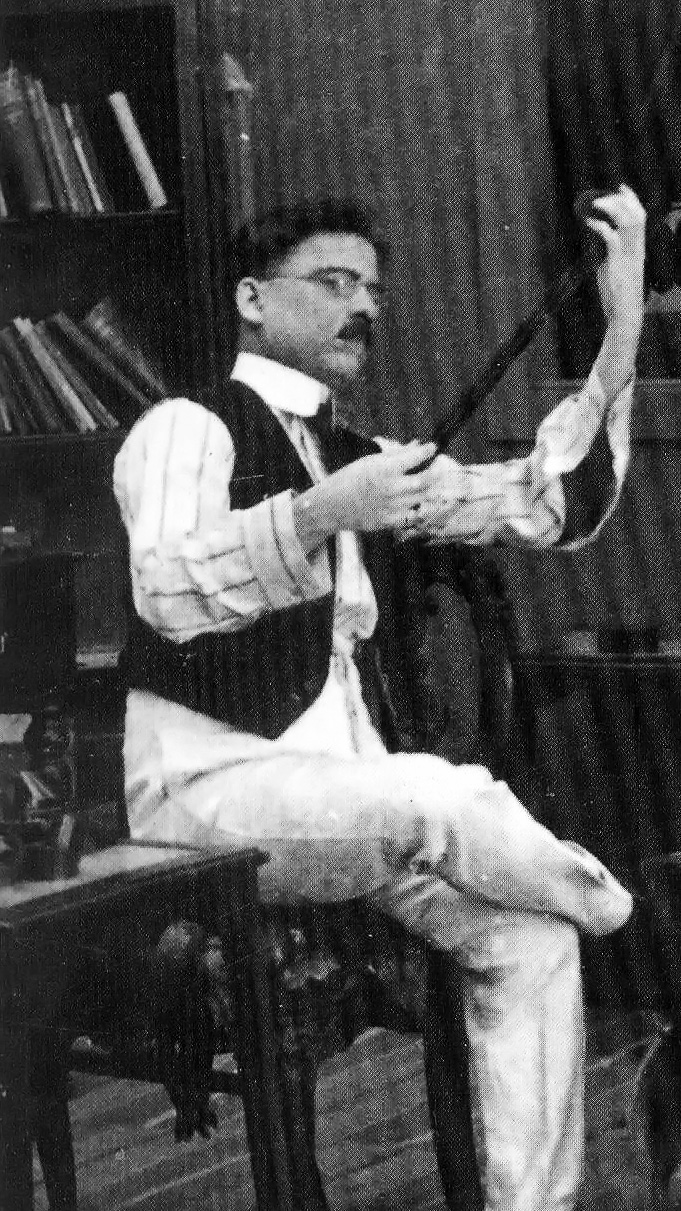
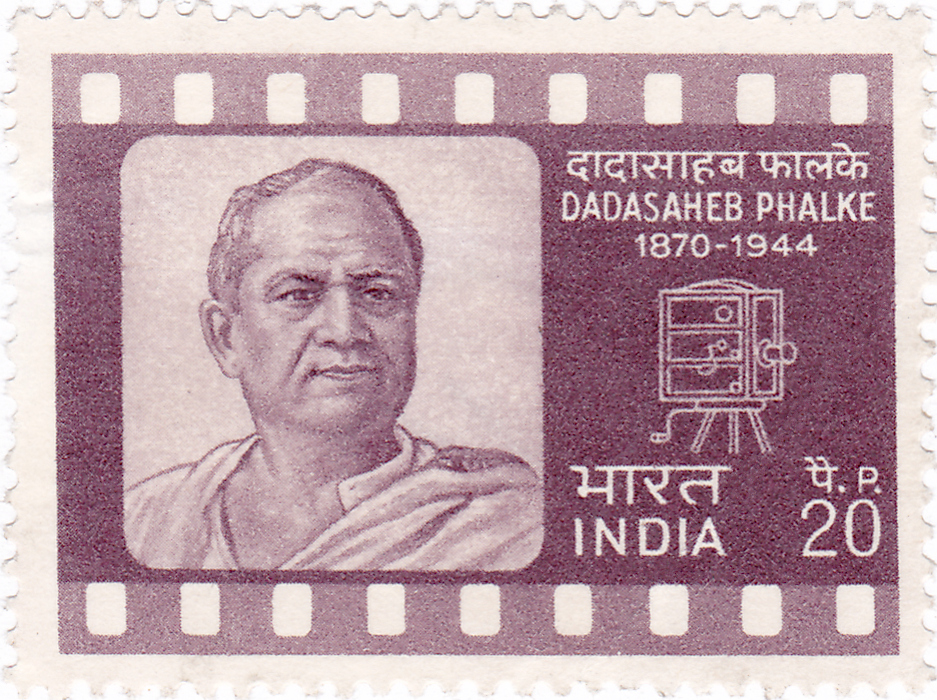
Background and early development
Phalke trained in visual and printing crafts and developed an interest in photography and motion pictures at a time when cinema was new worldwide. He studied the technical possibilities of the medium and adapted those techniques to local tastes and stories. His approach blended popular themes with experimental camera and stage effects, allowing cinematic form to take root in India long before an industry existed.
Filmmaking, style and contributions
Phalke made silent films that used strong visual composition, theatrical acting styles and practical special effects. He worked with small crews and often trained performers and technicians himself; his productions emphasized clear narrative, spectacle and accessible subjects drawn from epics and folklore. By proving that Indian stories could be told on film and shown to local audiences, he laid the foundations for a commercially viable cinema in India.
Key films and milestones
- Raja Harishchandra (1913) — commonly cited as the first full-length Indian feature film; its release marks a major milestone in Indian film history.
- Lanka Dahan (1917) — another well-known early film by Phalke that demonstrated elaborate staging and visual trickery.
- He founded one of the first production companies in India and produced a number of short and feature-length silent films that introduced many filmmaking practices to the region.
Legacy and recognition
Phalke's pioneering work created the basis for the rapid growth of Indian cinema through the 20th century. In recognition of his contributions, the Government of India established the Dadasaheb Phalke Award in 1969 to honor lifetime achievement in Indian film. The award is regarded as one of the highest honors in Indian cinema and is presented annually by the state to artists and technicians who have made enduring contributions to the medium.
Notable facts and distinctions
Phalke is remembered both for specific landmark films and for his broader influence establishing production practices, training personnel, and demonstrating an audience for Indian-language cinema. Modern accounts frequently refer to him as the "father of Indian cinema" and link his name to the highest award in the field. For more on his life and the award that commemorates him, see biographical resources and the official description of the Dadasaheb Phalke Award.
Related articles
Author
AlegsaOnline.com Dadasaheb Phalke — pioneer and father of Indian cinema Leandro Alegsa
URL: https://en.alegsaonline.com/art/116939
Sources
- books.google.com : Dadasaheb Phalke, the father of Indian cinema
- articles.timesofindia.indiatimes.com : "Godhra forgets its days spent with Dadasaheb Phalke - Times Of India"
- books.google.com : Mass Communication in India: A Sociological Perspective