
Cyrus Vance
American lawyer and diplomat who served as U.S. Secretary of State (1977–1980); noted for negotiation-first approach, arms-control work and resignation over the 1980 Iran hostage rescue attempt.
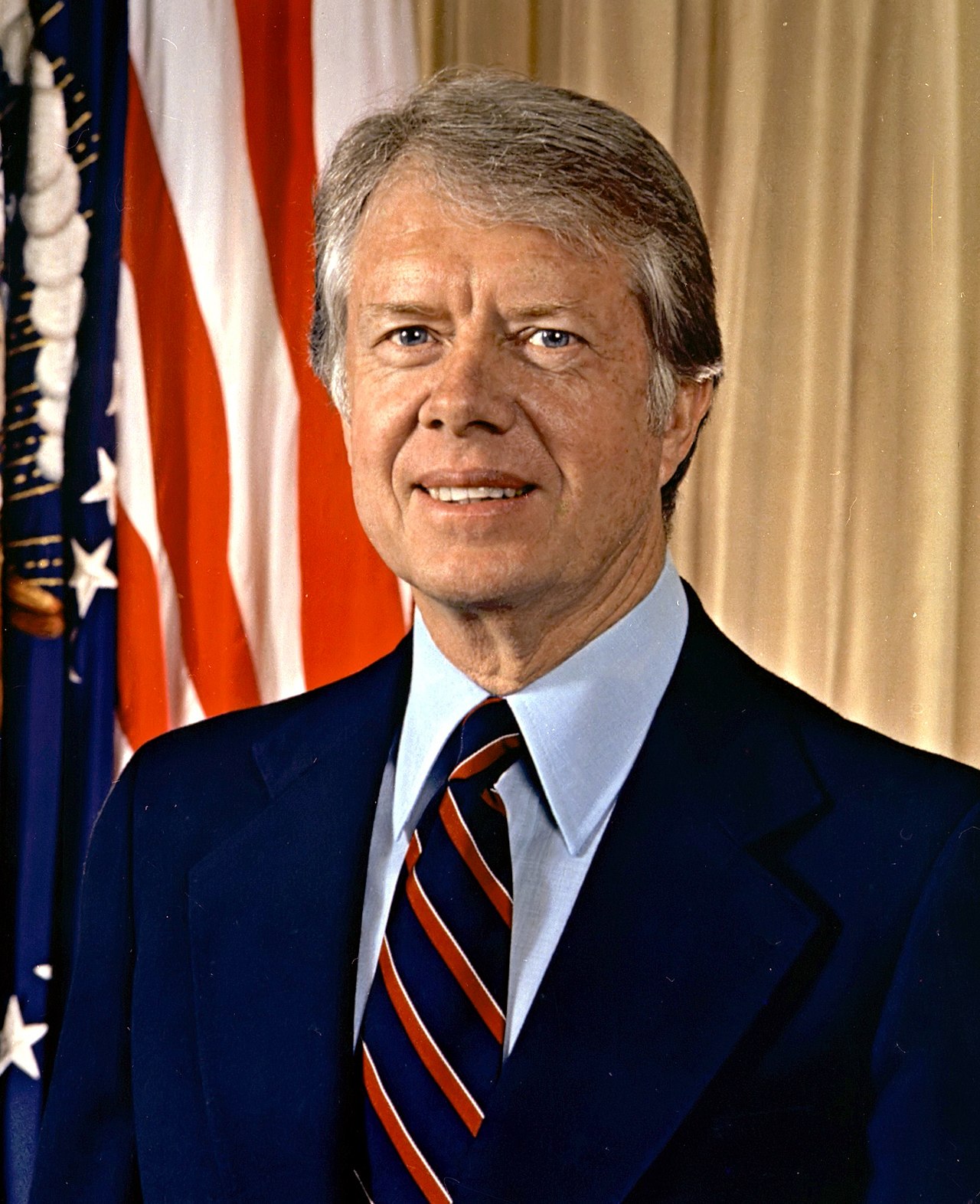
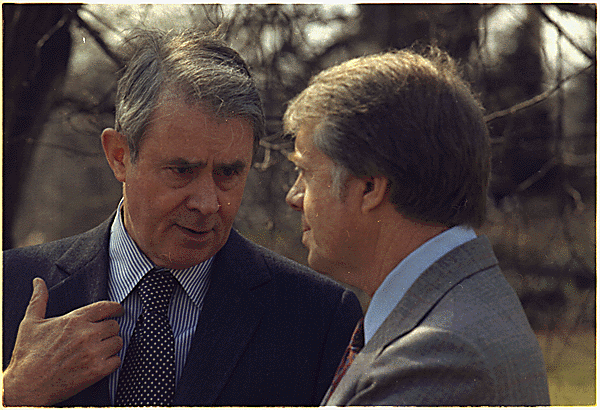
Cyrus Roberts Vance (March 27, 1917 – January 12, 2002) was an American lawyer, government official and diplomat. He is best known for serving as United States Secretary of State under President Jimmy Carter from 1977 until 1980. Vance built a reputation as a cautious, negotiation-focused statesman who favored diplomatic solutions and arms-control agreements over military confrontation.
Image gallery
7 Images



Early life and legal career
Vance was raised and educated in New York and trained as a lawyer. After completing his legal studies he entered private practice and also served in government roles across several administrations. His legal background and connections in both business and public service prepared him for senior posts in the federal government, where he combined legal training with a preference for careful, deliberate policymaking.
Public service and major offices
- He held senior positions in the 1960s, including Secretary of the Army and Deputy Secretary of Defense.
- He became U.S. Secretary of State in 1977 and led the State Department through a range of Cold War-era negotiations.
As Secretary of State Vance emphasized diplomacy, human-rights considerations in foreign policy, and negotiated measures to reduce the risks of superpower confrontation. He participated in talks related to strategic arms limitations and supported diplomatic settlement of long-standing disputes.
Resignation and later life
Vance resigned in 1980 after a public disagreement with President Carter about the use of military force to resolve the Iran hostage crisis. He opposed a military rescue plan and stepped down when the administration proceeded with the operation. After leaving office he returned to private life and continued to be involved in civic affairs, giving advice on international matters and serving on corporate and nonprofit boards.
Legacy and assessment
Historians and contemporaries remember Vance for a temperament that favored patient diplomacy and legalistic problem-solving. He is often contrasted with officials who advocated more assertive military approaches; his resignation over the Iran crisis remains one of the most notable acts of principle in recent U.S. diplomatic history. His career illustrates the influence that experienced lawyers and administrators can exert on foreign policy through negotiation, treaty work and institution-building.
For concise biographies and primary documents see selected biography, analyses of his record at the State Department and policy reviews, or archival collections and oral histories available through research repositories here.
Related articles
Author
AlegsaOnline.com Cyrus Vance Leandro Alegsa
URL: https://en.alegsaonline.com/art/116928
Sources
- nytimes.com : "Cyrus R. Vance, a Confidant Of Presidents, Is Dead at 84"
- history.army.mil : ""Cyrus Roberts Vance""
- history.army.mil : Secretaries of War and Secretaries of the Army: Portraits and Biographical Sketches