
Cordell Hull: U.S. statesman and architect of the United Nations
Cordell Hull (1871–1955) was an American lawyer and Democratic politician from Tennessee who served as Franklin D. Roosevelt’s Secretary of State, promoted hemispheric cooperation and helped create the United Nations.
Overview
Cordell Hull (October 2, 1871 – July 23, 1955) was an American lawyer and long‑time Democratic politician from Tennessee. He is best known for serving eleven years as United States Secretary of State under President Franklin D. Roosevelt and for his central role in the diplomatic efforts that led to the creation of the United Nations. For these efforts he was awarded the Nobel Peace Prize in 1945. Hull’s career combined domestic legislative work with a sustained focus on international cooperation.
Image gallery
10 Images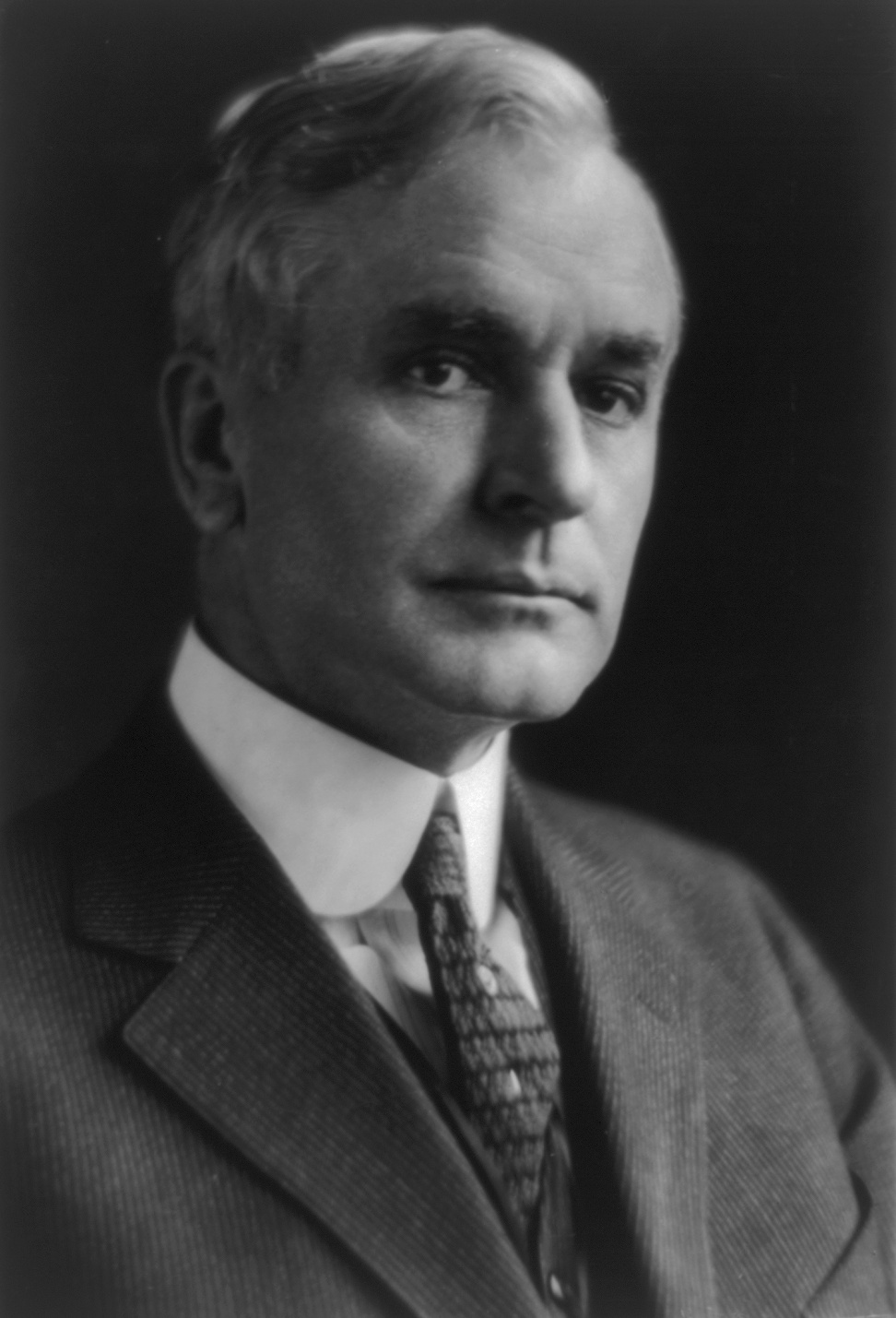





Early life and formative experiences
Trained as a lawyer, Hull began his public life in state politics and local law practice before military service in the period of the Spanish–American War. Those early experiences shaped his interest in both national law and international affairs. He built a reputation for persistence, attention to procedure and an interest in trade and economic measures as tools of diplomacy.
Congressional and party career
Hull spent more than two decades in the U.S. House of Representatives where he became known for interest in tariff reform and reciprocal trade agreements. During his long legislative career he also served in party roles, including appointments to the Democratic National Committee. He later moved to the Senate, briefly serving as a U.S. Senator before accepting a cabinet post. Throughout his time in Congress and the party apparatus he emphasized practical negotiations and legislative craftsmanship.
Secretary of State: policies and achievements
As Secretary of State Hull pursued a foreign policy that combined economic diplomacy with regional cooperation. He helped implement—and defended—Roosevelt’s Good Neighbor approach to Latin America and negotiated a series of trade agreements that reduced tariffs and aimed to stimulate peaceful economic relations. He also advocated strong support for China during its struggle with Japan and worked with allies to coordinate wartime diplomacy. His stewardship of the State Department emphasized multilateral institutions and the postwar architecture of international relations.
Role in founding the United Nations and recognition
Hull was a prominent advocate for an international organization to replace the League of Nations and to coordinate postwar security and cooperation. His speeches and negotiations helped shape early proposals that became the United Nations charter. In recognition of this work he received the Nobel Peace Prize in 1945 and is often referred to in historical literature as one of the key American figures in creating the UN.
Later life, legacy and notable facts
Ill health prompted Hull to step down as Secretary of State in 1944 after more than a decade in office. He returned to Tennessee and remained a symbolic figure in Democratic politics until his death in 1955. Historians note several lasting contributions: his promotion of reciprocal trade as a peacetime tool of diplomacy; the institutional groundwork for postwar international cooperation; and his long record as a legislator who bridged domestic politics and foreign policy. For further study of his life and career see resources on his political and diplomatic record, including materials on his work as a U.S. Representative, his broader public service as a public official, and analyses of his time as an influential politician.
- Key achievements: Nobel Peace Prize, leadership in creating the United Nations, Reciprocal Trade Agreements.
- Military service: participated in the era of the Spanish–American War.
- Political roles: long congressional service, party leadership, brief Senate tenure, and an 11‑year tenure as Secretary of State.
For primary documents and archival material consult major repositories and specialized collections that hold correspondence, speeches and State Department records related to Cordell Hull’s long public career. Additional overviews and biographies place his work in the broader story of American diplomacy in the first half of the 20th century.
Related articles
Author
AlegsaOnline.com Cordell Hull: U.S. statesman and architect of the United Nations Leandro Alegsa
URL: https://en.alegsaonline.com/art/116815