
Corazon Aquino — Leader of the People Power Restoration of Philippine Democracy
Corazon “Cory” Aquino (1933–2009) led the 1986 People Power movement, became the Philippines' first female president, steered the transition from dictatorship to democracy, and remains a symbol of nonviolent reform.
Maria Corazon Sumulong "Cory" Cojuangco-Aquino (January 25, 1933 – August 1, 2009) was a Filipina political leader who emerged as the unifying figure of the movement that ended Ferdinand Marcos's authoritarian rule. After the disputed 1986 snap election and the four-day nonviolent uprising known as the People Power Revolution, she assumed the presidency and led the nation through a transitional period of democratic restoration. For an accessible biographical summary, see biographical overview.
Image gallery
10 Images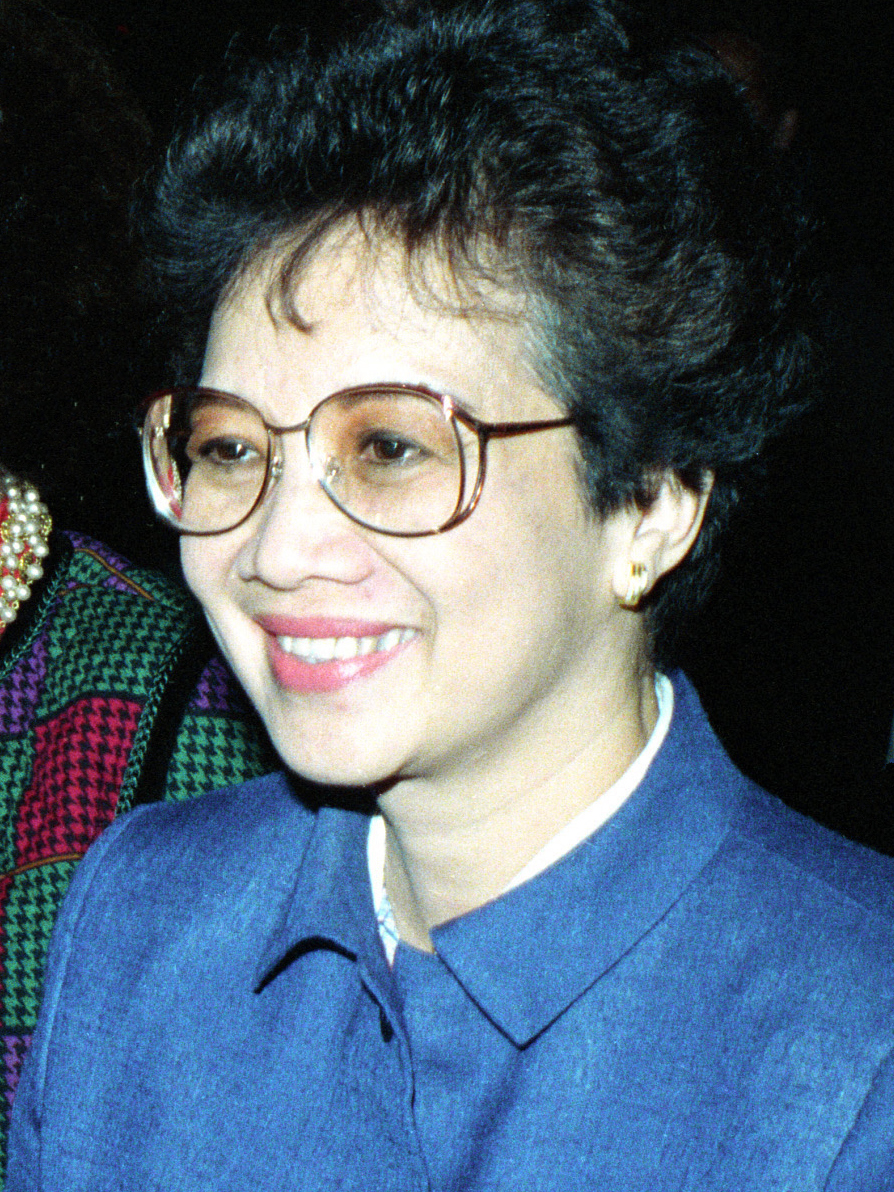




Early life and family
Born into a landowning family with political connections, Aquino married Benigno "Ninoy" Aquino Jr., a prominent opposition senator. Ninoy's assassination in 1983 upon returning from exile intensified opposition to Marcos and transformed Cory Aquino from a private figure into a national symbol for democratic change. Her family continued in public service; her son Benigno S. Aquino III later served as president of the Philippines. More on the family's public role is available at family overview.
People Power and rise to the presidency
When Marcos called a snap presidential election in 1986, Aquino became the common opposition candidate. The election results were widely disputed, prompting mass demonstrations, civil resistance, and defections from parts of the military. The largely peaceful four-day People Power movement forced Marcos into exile and opened the path for Aquino to lead a transitional government. Contemporary resources and accounts of those events can be found at People Power resources and historical summaries at background on Marcos.
Presidency: reforms and difficulties
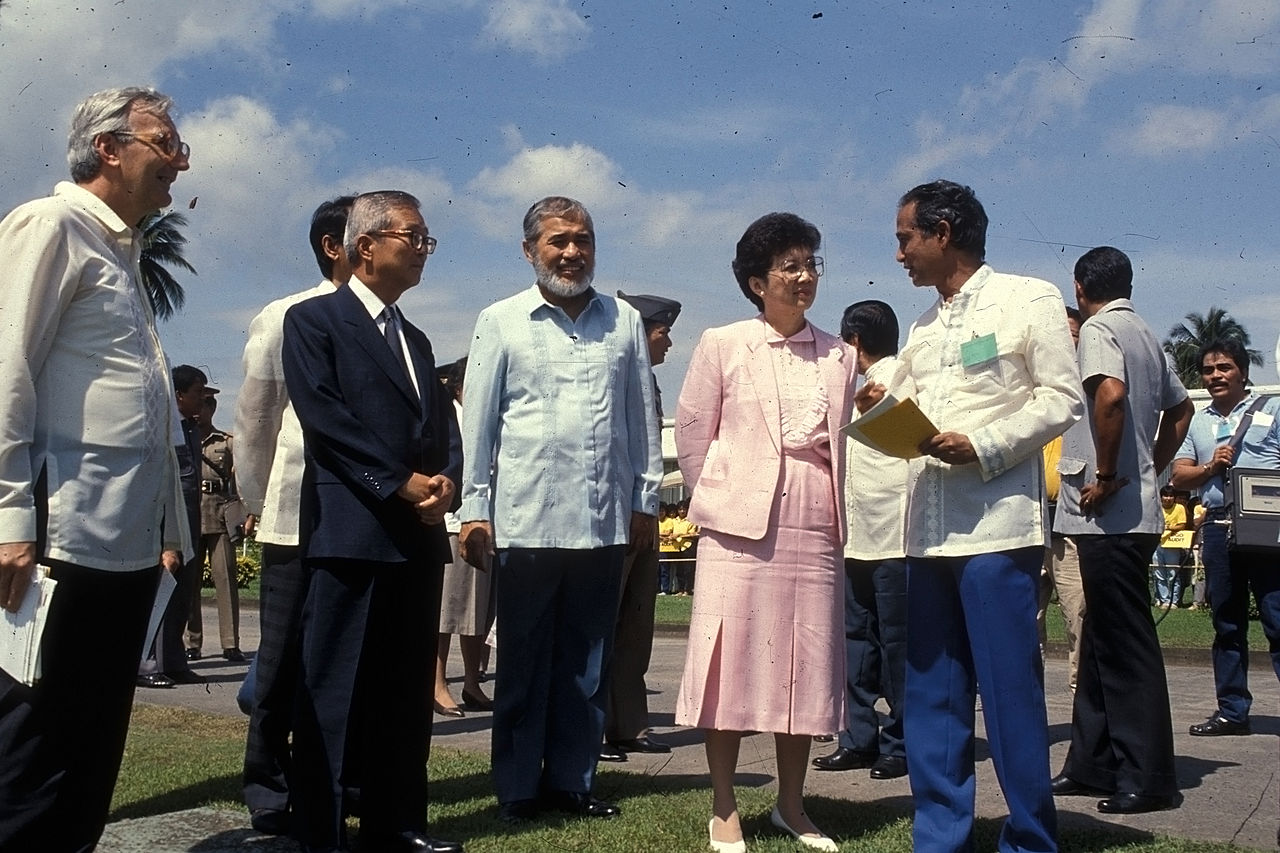
Aquino served as president from 1986 to 1992. Her administration prioritized restoring democratic institutions, drafting and promulgating a new constitution in 1987 to constrain executive authority and protect civil liberties, and rebuilding an independent judiciary and legislature. Her government initiated economic stabilization measures and sought to address long-standing social and land issues through agrarian reform policies. The administration also faced significant challenges, including a series of coup attempts and ongoing security and economic pressures that tested the fragile democratic transition.
Later life and legacy
Aquino received international recognition for her role in nonviolent political change, including being named Time magazine's "Woman of the Year" in 1986; see the profile at Time. She remained an influential moral presence in Philippine public life after leaving office, speaking and acting on democratic principles until her health declined. She died in 2009 and is widely commemorated as a symbol of peaceful resistance and democratic renewal. For further archival material and curated collections, consult the resources linked from the biographical overview at additional resources.
Assessments of Aquino's presidency note both the importance of returning the Philippines to electoral democracy and the limits of her administration's ability to resolve deep economic and security problems. Nonetheless, her leadership during a pivotal moment in Philippine history secured her place as a central figure in the country's modern political memory.
Related articles
Author
AlegsaOnline.com Corazon Aquino — Leader of the People Power Restoration of Philippine Democracy Leandro Alegsa
URL: https://en.alegsaonline.com/art/116813
Sources
- newsinfo.inquirer.net : "Cory Aquino dies"