
Cliff Richard — British singer, musician and entertainer
English singer and actor Sir Cliff Richard (born Harry Rodger Webb, 1940), a leading figure in British pop and rock from the late 1950s, noted for a career spanning decades and numerous chart hits.
Overview
Sir Cliff Richard (born Harry Rodger Webb; 14 October 1940) is an English singer, musician and actor whose commercial and cultural impact stretches from the birth of British rock and roll into the 21st century. His career began in the late 1950s and he became one of the United Kingdom's most visible pop stars, often noted for his clean-cut public image and ability to adapt to changing musical styles.
Image gallery
10 Images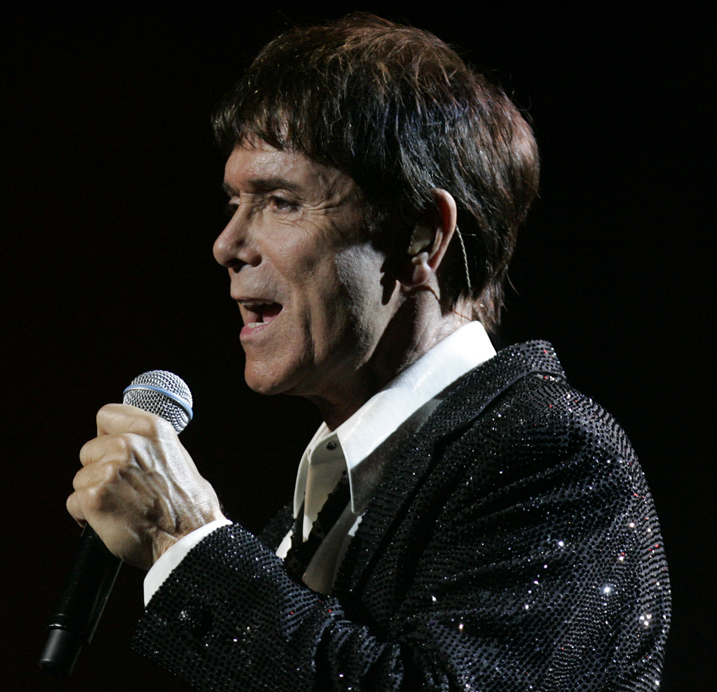




Early career and rise to fame
Richard first reached public attention with the single "Move It" (1958), widely regarded as one of the earliest authentic British rock and roll records. Backed initially by a group called the Drifters—who later became the instrumental group The Shadows—he scored a series of hits that established him as a household name in Britain. He recorded across a range of popular styles, from early rock and roll to mainstream pop and easy listening.
Musical style, collaborators and recordings
Throughout his long career Richard worked with prominent British musicians and producers and recorded songs that ranged from upbeat rockers to ballads and gospel-influenced material. Notable collaborators include the members of The Shadows, whose instrumental work complemented many of his early records. Selected landmark recordings include "Living Doll," "Summer Holiday," "Congratulations," "Devil Woman," "We Don't Talk Anymore" and the seasonal hit "Mistletoe and Wine." For a concise listing of his releases see discography.
Film, television and public image
In addition to recording, Cliff Richard appeared in feature films and television productions during the 1960s and beyond, helping to broaden his audience. Movie projects such as the musical films of the early 1960s contributed to his image as a family-friendly star and brought his songs to cinema audiences. More on his screen work is available at filmography and media.
Honours, longevity and legacy
Richard has been formally recognized for his contribution to entertainment and charity; he has received national honours and remains one of Britain's best-known popular musicians. He holds the distinctive record of being the only male solo artist to have UK number-one singles in five consecutive decades: the 1950s, 1960s, 1970s, 1980s and 1990s. His output and public profile across many decades make him a frequent subject of retrospectives and biographies; further background can be found at biography.
Later career and notable facts
Richard continued to record and perform well into the 21st century, releasing albums and touring at stages of his career when many peers had retired. His most recent studio releases and announcements have been covered in contemporary media sources; for official news and releases see official pages. Observers often cite his adaptability, high-profile collaborations and sustained chart presence as central to his enduring place in British popular music history.
Related articles
Author
AlegsaOnline.com Cliff Richard — British singer, musician and entertainer Leandro Alegsa
URL: https://en.alegsaonline.com/art/116703
Sources
- mirror.co.uk : "Sir Cliff Richard in numbers and quotes: Everything you need to know about 73-year-old Bachelor Boy"
- dailymail.co.uk : "Sir Cliff Richard 'prays for his enemies' and says there would be fewer wars if people were more spiritual"
- bbc.com : "Sir Cliff Richard's Berkshire property searched by police"
- bbc.co.uk : "Sir Cliff Richard interviewed by police over assault claim"