
Chris Hani: South African anti-apartheid leader (1942–1993)
Chris Hani was a prominent South African anti-apartheid activist, leader of the South African Communist Party and chief of staff of uMkhonto we Sizwe whose assassination shaped the end of apartheid.
Chris Hani (28 June 1942 – 10 April 1993) was a major figure in South Africa's struggle against apartheid. Revered by many for his courage and plainspoken style, he combined revolutionary socialism with a commitment to non‑racial politics. His death in 1993 shocked the nation and helped to hasten the political transition that ended white minority rule.
Image gallery
10 Images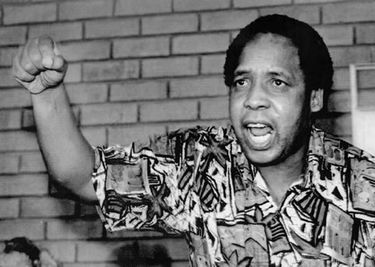









Early life and political formation
Born in the Eastern Cape, Hani became politicized at a young age through exposure to racial injustice and the experience of working-class life. He left home to join movements opposing apartheid, aligning himself with organizations that sought both national liberation and social equality. Over time he developed a reputation as a disciplined activist and a persuasive speaker.
Roles and beliefs
Hani held several central positions within the liberation movement. He is commonly remembered as a South African politician who also led the South African Communist Party and served as chief of staff of uMkhonto we Sizwe, the armed wing of the African National Congress. His outlook combined support for armed resistance during the height of repression with a sustained emphasis on working‑class organization, land reform, and equality across racial lines.
Assassination and national impact
Hani was assassinated outside his home in April 1993 by a right‑wing extremist. The killing provoked a nationwide outpouring of grief and anger and threatened to derail ongoing negotiations to end apartheid. Leaders across the political spectrum urged calm. The episode galvanized broad public support for the transition and increased pressure on negotiators to complete a settlement that would replace apartheid with majority rule.
Legacy and significance
Hani remains a potent symbol of sacrifice in South Africa's modern history. Memorials, streets and public commemorations honor his role in the struggle and his appeal to ordinary people. His combination of radical economic ideas and a commitment to non‑racial democracy continues to influence debates about inequality, reconciliation, and social policy in contemporary South Africa.
- Notable positions: leader of the SACP, chief of staff of MK, and prominent ANC figure.
- Enduring themes: social justice, working‑class empowerment, and non‑racialism.
- Historical importance: his assassination helped focus national attention on a peaceful transition from apartheid.
Related articles
Author
AlegsaOnline.com Chris Hani: South African anti-apartheid leader (1942–1993) Leandro Alegsa
URL: https://en.alegsaonline.com/art/116520
Sources
- sacp.org.za : "My Life, An autobiography written in 1991"
- sahistory.org.za : sahistory.org.za/search?search_api_fulltext=chris-hani-elected-sacp-secretary&sort_by=sea…