
Christiane Nüsslein-Volhard: developmental geneticist and advocate for women in science
German developmental biologist and Nobel laureate (1995); pioneered genetic analysis of embryonic patterning and founded a program supporting young female scientists with children.
Christiane Nüsslein-Volhard is a German experimental biologist and biochemist whose research established key principles of how animal embryos form ordered body plans. She was born on 20 October 1942 in Magdeburg and made discoveries that reshaped developmental biology. Her work on the genetic control of embryonic pattern formation earned her the 1995 Nobel Prize in Physiology or Medicine, shared with Eric F. Wieschaus and Edward B. Lewis.
Image gallery
4 Images


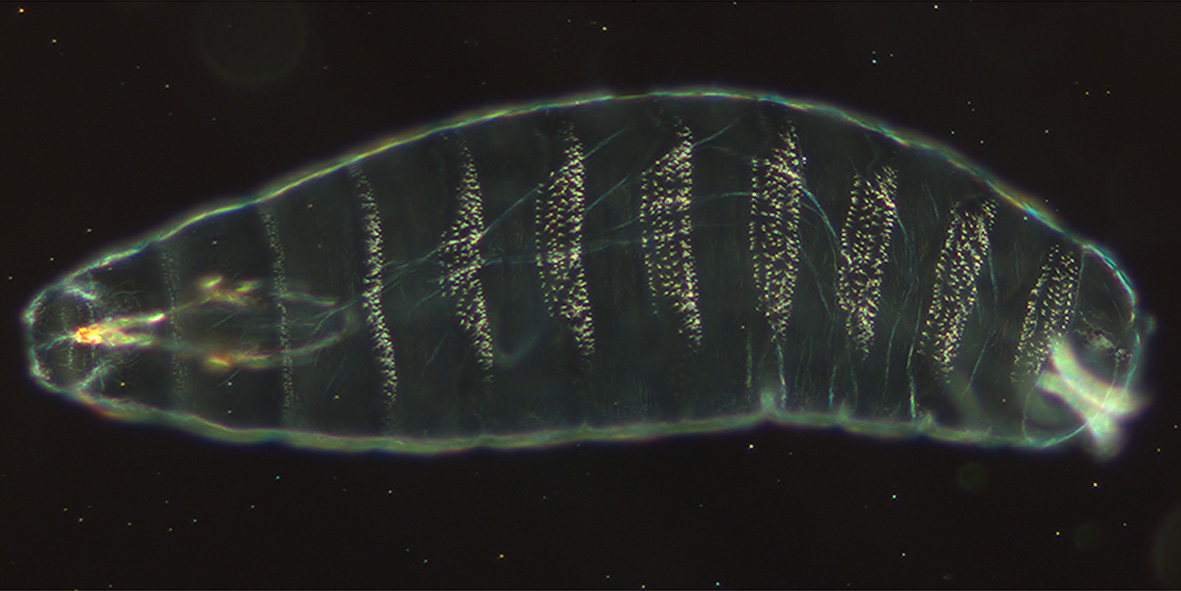
Overview of her research
Nüsslein-Volhard used systematic genetic screens and mutational analysis to identify genes that direct the early steps of embryonic development. Working largely with fruit flies, she helped define classes of genes — maternal effect, segmentation and homeotic regulators — that determine axes and repeating structures in the embryo. These findings demonstrated how a relatively small number of genes can orchestrate complex patterns of cell behavior and fate during development.
Career and scientific approach
Combining classical genetics with modern molecular methods, she emphasized careful experimental design and large-scale screens to uncover rare yet informative mutations. Her laboratory was associated with the Max Planck Institute for Developmental Biology in Tübingen, where she trained many students and postdoctoral researchers. Her methodological rigor set new standards for forward genetics in metazoan systems.
Impact, honours and notable facts
- The 1995 Nobel Prize recognized the broad significance of her discoveries for biology and medicine.
- Her name has been given to the asteroid 15811 Nüsslein-Volhard, a small but symbolic honor.
- She combined roles as a researcher, mentor and institutional leader, helping to professionalize developmental genetics.
Advocacy and legacy
Beyond the laboratory, Nüsslein-Volhard has been active in supporting the next generation of scientists. She established the German foundation that assists young scientists, particularly mothers, with practical and financial support so they can continue research while raising children. Her dual identity as a biologist and biochemist exemplifies interdisciplinary work in modern life sciences.
Her discoveries remain central to fields ranging from evolutionary developmental biology to regenerative medicine: by revealing the genetic logic of body plan formation, she provided tools and concepts that continue to inform experimental and theoretical work in development and disease.
Related articles
Author
AlegsaOnline.com Christiane Nüsslein-Volhard: developmental geneticist and advocate for women in science Leandro Alegsa
URL: https://en.alegsaonline.com/art/116385
Sources
- nobelprize.org : "Christiane Nüsslein-Volhard - Autobiography"
- wikidata.orgQ77174.html : wikidata.orgq77174.html
- authority.bibsys.no : 7050861
- catalogue.bnf.fr : cb14543284j
- data.bnf.fr : (data)
- dblp.org : 03/3952
- d-nb.info : 120065916
- isni.org : 0000 0001 1669 3014
- id.loc.gov : n99254483
- nl.go.kr : KAC200606663
- data.bibliotheken.nl : 148302300
- idref.fr : 081397372
- viaf.org : 71632017
- worldcat.org : lccn-n99254483