
Charlotte, Princess Royal (Charlotte Augusta Matilda)
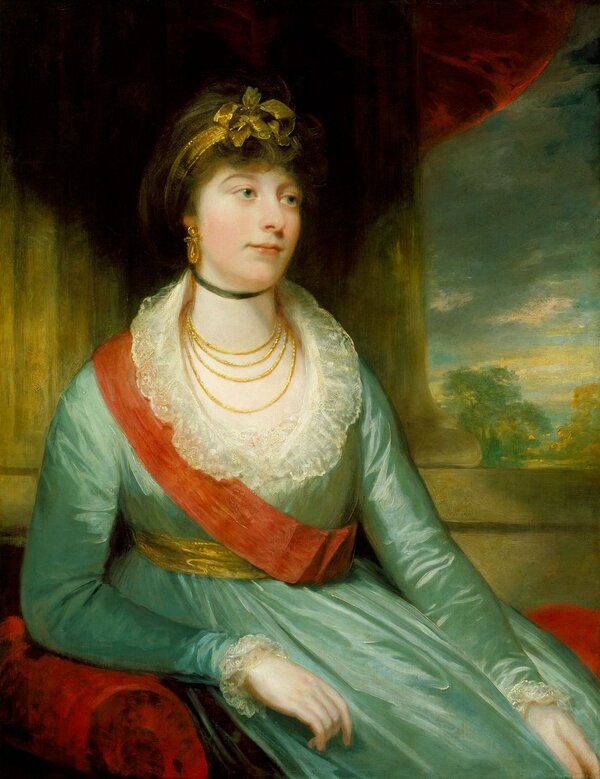
Eldest daughter of King George III, Princess Royal Charlotte (1766–1828) married Frederick of Württemberg, became queen consort there, and remained influential as a patron and dynastic link to Britain.
Overview
Charlotte Augusta Matilda (29 September 1766 – 5 October 1828), usually styled Princess Royal as the sovereign's eldest daughter, was a prominent member of the House of Hanover. Born to King George III and Queen Charlotte, she belonged to a generation of British royals whose marriages helped shape political and cultural ties across Europe during a period of great change, including the French Revolutionary and Napoleonic eras.
Image gallery
6 Images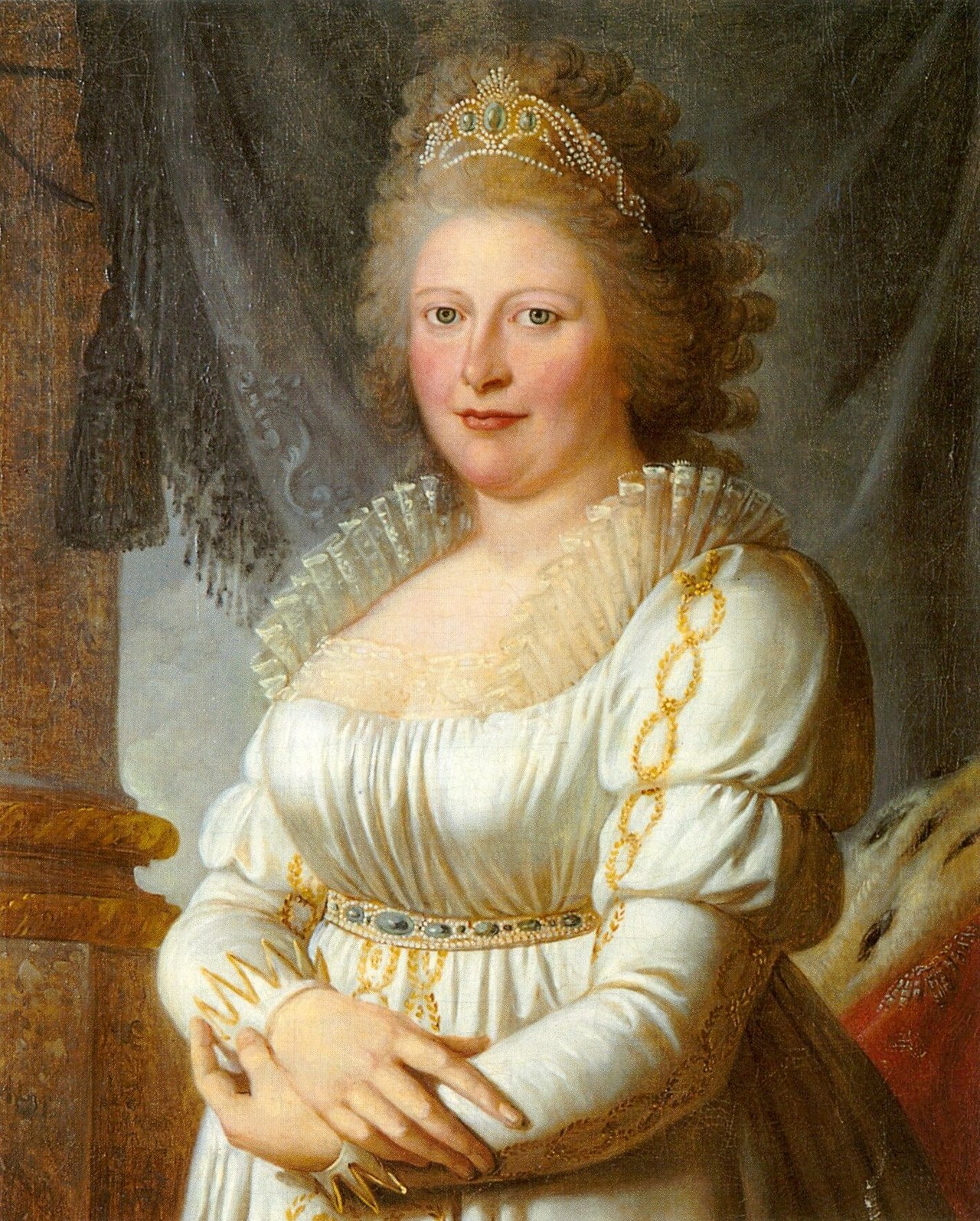


Early life and family
Raised within the British court, Charlotte received an education and upbringing designed for a princess: a mixture of private tutoring, court ceremonials and preparation for public duties. As Princess Royal she occupied a visible position among the king's children and took on responsibilities typical for senior royal women of her time, representing the crown at occasions and supporting charitable and religious causes.
Marriage and role in Württemberg
Charlotte married Frederick of Württemberg on 27 May 1798, entering one of the German ruling houses that were closely allied to the British monarchy by marriage and common ancestry. She left Britain to live at the Württemberg court, where her marriage strengthened dynastic links between Britain and the German states. During the reorganisation of territories in the Napoleonic period, her husband was elevated in rank and Charlotte became queen consort of Württemberg, undertaking the ceremonial and social duties expected of a consort.
Public duties, patronage and later life
As consort she supported charitable institutions, local churches and cultural initiatives within Württemberg and served as a figure of continuity between the German court and her British family. Although much of her adult life was spent abroad, she maintained correspondence and connections with relatives in Britain. She was one of the godmothers of the future Queen Victoria, reflecting the ongoing familial influence across generations.
Legacy
Charlotte's life illustrates the role of royal women in forging dynastic relationships and cultural exchange in late 18th- and early 19th-century Europe. Remembered as a long-serving princess and queen consort, she contributed to charitable and court life in Württemberg and remained a link between the British monarchy and the German states until her death in 1828.
Notable facts
- Born 29 September 1766, eldest daughter of King George III and Queen Charlotte.
- Held the traditional title Princess Royal as the sovereign's eldest daughter.
- Married Frederick of Württemberg on 27 May 1798 and later became queen consort there.
- One of the godmothers of Queen Victoria, demonstrating continued dynastic ties.
- Died 5 October 1828, leaving a legacy in both British and Württemberg court history.
Related articles
Author
AlegsaOnline.com Charlotte, Princess Royal (Charlotte Augusta Matilda) Leandro Alegsa
URL: https://en.alegsaonline.com/art/116290