
Charlie Haden — American jazz double bassist and bandleader
Charlie Haden (1937–2014) was an influential American jazz double bassist and bandleader, noted for his lyrical tone, work with Ornette Coleman and Keith Jarrett, and for founding the Liberation Music Orchestra and Quartet West.
Charles Edward "Charlie" Haden (August 6, 1937 – July 11, 2014) was an American musician whose work on the double bass helped reshape modern jazz. Renowned for a warm, melodic sound and a preference for spacious, songlike lines, Haden combined deep rhythmic support with an unusually strong sense of melody. Over a career that spanned more than five decades he moved fluidly between free improvisation, intimate trio settings and larger, politically engaged ensembles. For a concise overview see his biographical profile.
Image gallery
4 Images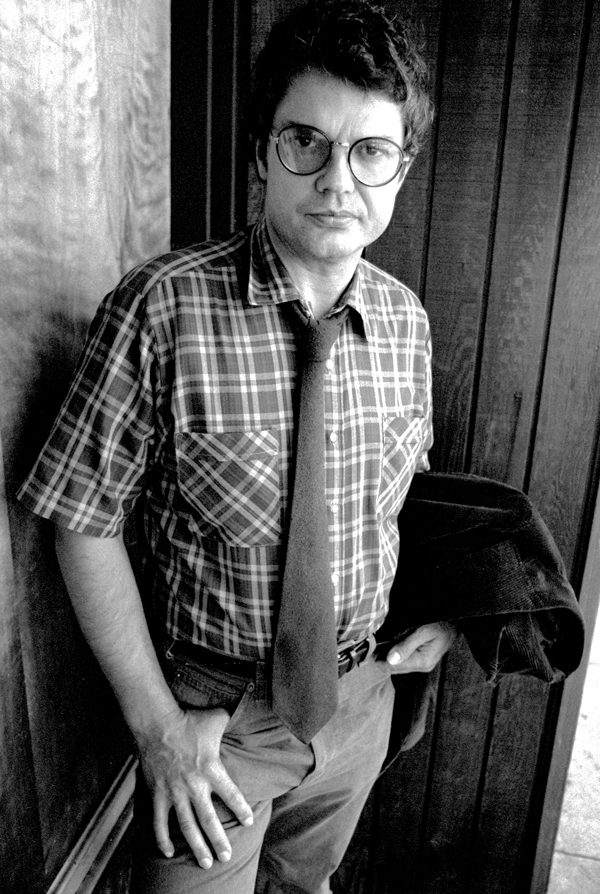


Early life and breakthrough
Haden grew up in a musical family and developed an early interest in folk and country music as well as jazz. He first attracted widespread attention as a member of saxophonist Ornette Coleman’s groups in the late 1950s and early 1960s, a partnership that placed him at the center of the emerging free jazz movement. That work emphasized collective improvisation and freed harmonic relationships, and it established Haden’s reputation for sympathetic, responsive playing.
Major collaborations
Beyond his work with Coleman, Haden performed and recorded with many leading figures. His long association with pianist Keith Jarrett produced settings in which Haden’s lyrical lines supported and conversed with the piano. He was also a frequent sideman and collaborator in small groups, and he brought his distinct voice to a wide range of musical contexts, from avant‑garde sessions to more melodic projects.
Musical style and technique
Haden’s approach favored lyricism and collective interaction over individual display. He often played with the fingers, producing a round, singing tone, and used silence and space as expressive devices. His lines were notable for their economy and melodic logic; critics and fellow musicians have praised how he made the bass a conversational and melodic instrument rather than merely a timekeeper.
Political engagement and the Liberation Music Orchestra
In the 1960s and 1970s Haden co‑founded the Liberation Music Orchestra with pianist and composer Carla Bley, an ensemble that rearranged protest songs, international folk material and originals into expansive jazz arrangements. The project demonstrated Haden’s belief that music could engage with social and political issues while remaining artistically ambitious.
Quartet West and later projects
Haden also led Quartet West, a group that blended original compositions with cinematic arrangements of standards and ballads, highlighting his interest in melody and atmosphere. Throughout his later career he continued to record as a leader and collaborator, exploring duet, trio and orchestral formats and working with younger musicians as well as established peers.
Recordings, awards and legacy
Haden’s discography includes influential recordings as a leader and as a sideman. He received critical acclaim and various honors during his lifetime; more broadly, his influence is visible in generations of bassists and improvisers who prize lyricism, listening and group interaction. For detailed discographies and album notes consult specialized music reference sources and liner notes from his recordings.
Death and continuing influence
Charlie Haden died in Los Angeles on July 11, 2014, after complications related to polio. He is remembered for a distinctive tone, a humanistic musical outlook, and ensembles that combined adventurous improvisation with emotional directness. Haden’s work remains frequently cited in discussions of the bass’s role in modern jazz and in studies of politically engaged music.
- Key collaborators: Ornette Coleman, Keith Jarrett, Carla Bley
- Notable ensembles: Liberation Music Orchestra, Quartet West
- Recommended starting points: overviews of his recorded output and contemporary critical essays
For more on Haden’s life and recordings, consult authoritative biographies, album liner notes and specialist jazz reference works. Additional material and context are available through library collections and curated music archives.
Further reading and online resources: Ornette Coleman collaborations, work with Keith Jarrett, and general career summaries via the double bass literature and a consolidated biography.
Related articles
Author
AlegsaOnline.com Charlie Haden — American jazz double bassist and bandleader Leandro Alegsa
URL: https://en.alegsaonline.com/art/116274
Sources
- ottawacitizen.com : "RIP, Charlie Haden"