
Ornette Coleman
American saxophonist, composer, and pioneer of free jazz; noted for his harmolodic theory, influential recordings, and the Pulitzer-winning album Sound Grammar.
Overview
Ornette Coleman (born Randolph Denard Ornette Coleman, March 9, 1930 – June 11, 2015) was an American jazz musician and composer best known for helping to launch the free jazz movement. Primarily a saxophonist, he also performed on violin and trumpet and wrote music that challenged conventional harmony and form. For a concise life summary see biographical resources.
Image gallery
9 Images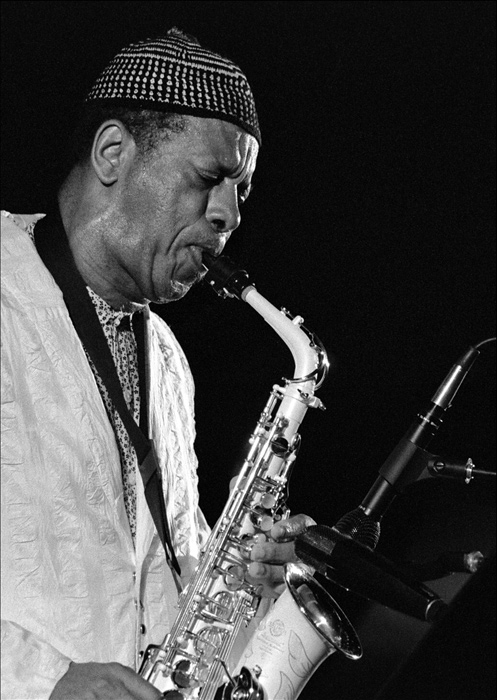


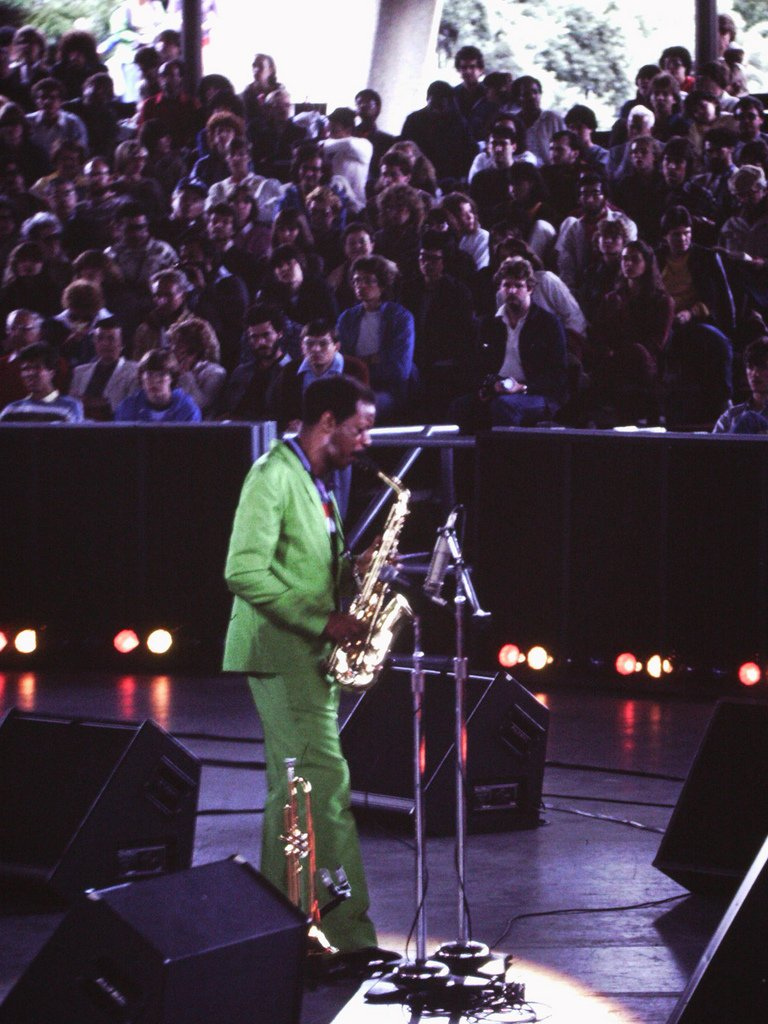
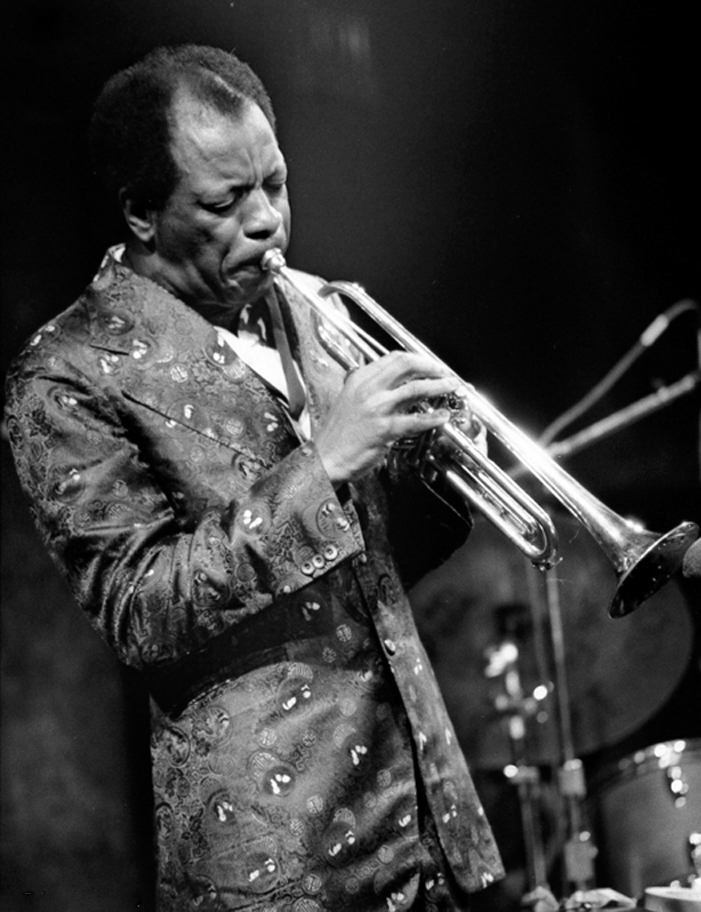

Musical approach and characteristics
Coleman's work emphasized melodic freedom, collective improvisation, and flexible roles for harmony and rhythm. He coined and developed the idea often called "harmolodics," a concept that places harmony, melody and rhythm on roughly equal footing so that musicians can improvise without fixed chord changes. His tone could recall blues inflection even as his group interactions abandoned standard song structures. For discussion of his instruments and technique visit instrument profiles and saxophone resources.
History and development
Coleman grew up in Fort Worth, Texas, and came to wider notice in the late 1950s and early 1960s through recordings and performances that polarized critics and audiences. He formed groups with younger improvisers and long-time collaborators such as trumpeter Don Cherry and several rhythm section partners. His career includes long periods of exploration, occasional controversy, and steady influence on younger musicians; further reading is available at historical summaries.
Major works and recognition
- The Shape of Jazz to Come (1959) — a landmark album that signaled new directions in jazz.
- Free Jazz (1961) — a double quartet recording whose title named the emerging style.
- Sound Grammar (2006) — a later ensemble recording that won the 2007 Pulitzer Prize for Music; see award citation.
Legacy and influence
Coleman's innovations reshaped the vocabulary of jazz and opened the field to broader experimentation. Critics, musicians and scholars continue to debate and study his ideas, and his recordings are regularly cited by artists working in jazz, avant-garde, and contemporary improvised music. For interviews, analyses and archives consult scholarly materials and audio and media collections.
Because his music bridged blues feeling, formal experimentation, and personal expression, Ornette Coleman remains a central figure in 20th-century American music—an innovator whose work still prompts listening, analysis, and reinterpretation.
Questions and answers
Q: Who was Ornette Coleman?
A: Ornette Coleman was an American jazz musician.
Q: What instruments did Ornette Coleman play?
A: Ornette Coleman played the saxophone, violin, and trumpet.
Q: What style of jazz did Ornette Coleman help create?
A: Ornette Coleman helped create a new jazz style called free jazz in the 1960s.
Q: What other type of music is Ornette Coleman's music similar to?
A: Ornette Coleman's music is also similar to blues music.
Q: Which of Ornette Coleman's albums won the 2007 Pulitzer Prize for music?
A: Ornette Coleman's album Sound Grammar won the 2007 Pulitzer Prize for music.
Q: Was Ornette Coleman a composer as well as a musician?
A: Yes, Ornette Coleman was also a composer.
Q: When was Ornette Coleman born and when did he die?
A: Ornette Coleman was born on March 9, 1930 and died on June 11, 2015.
Author
AlegsaOnline.com Ornette Coleman Leandro Alegsa
URL: https://en.alegsaonline.com/art/127937