
Carlo Cafiero (1846–1892) — Italian anarchist and organizer
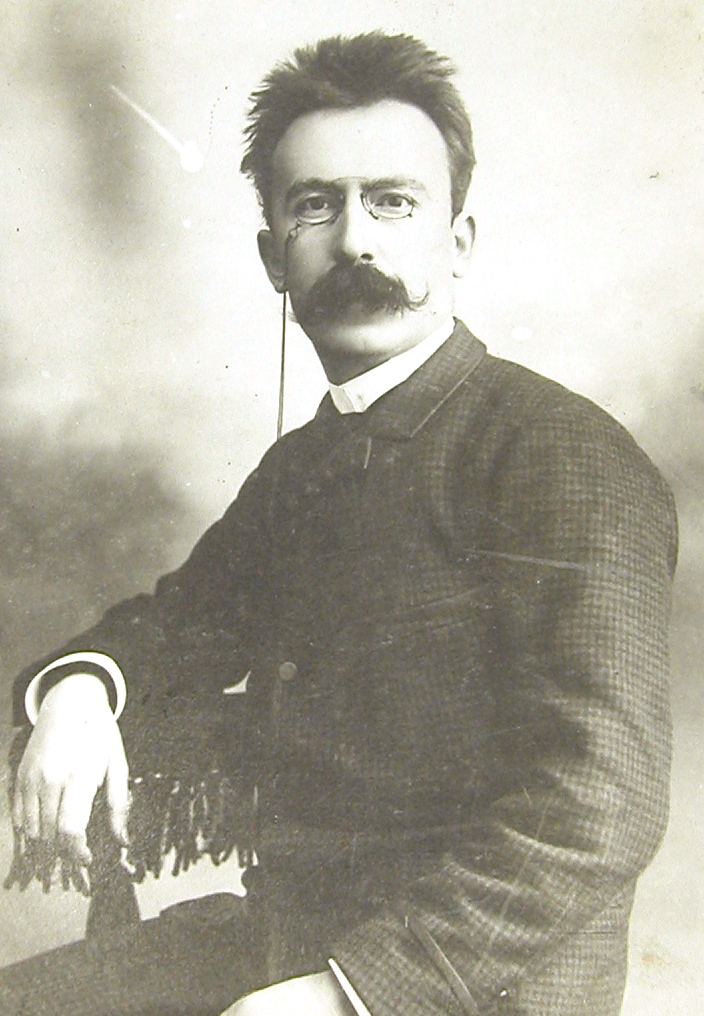
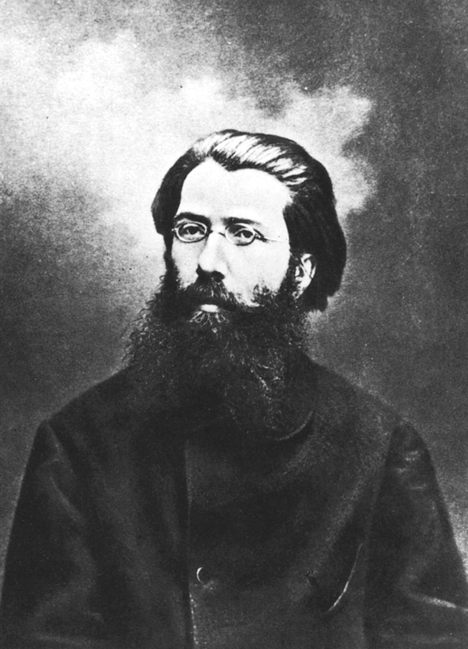
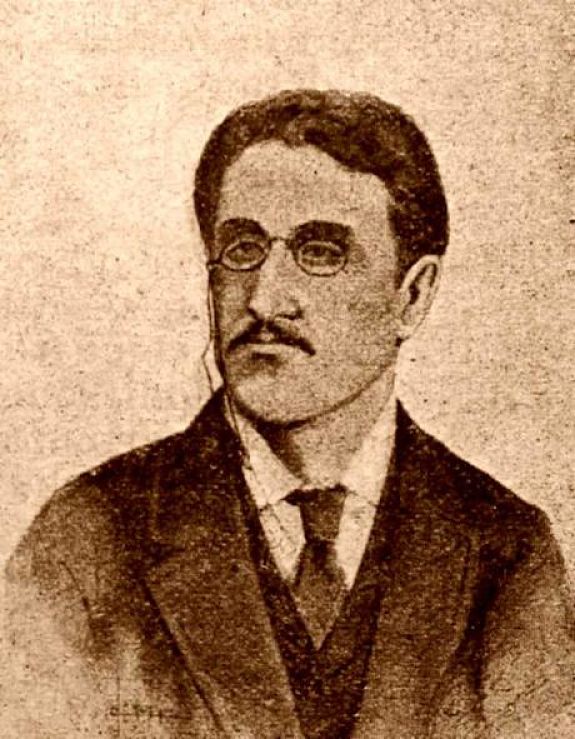
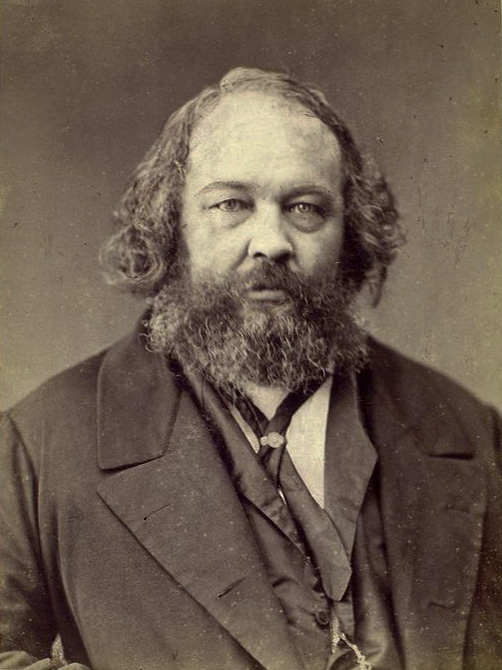
Carlo Cafiero was an influential Italian anarchist of the late 19th century, a close associate of Mikhail Bakunin, promoter of anarchist communism, and a popularizer of Marxian economics for Italian workers.
Overview
Carlo Cafiero (1846–1892) was an Italian political activist best known for his role in the development and promotion of anarchist communism during the late 19th century. A close confidant of Mikhail Bakunin, Cafiero worked to bring radical ideas to Italian workers and to bridge currents of socialist and anarchist thought.
Image gallery
9 Images



Early life and radicalization
Born into a well-to-do family in southern Italy, Cafiero abandoned a conventional career and social position in favor of revolutionary politics. He spent years abroad with other exiles and students of radical theory, where he came into personal contact with key figures of the international revolutionary movement and embraced anti-statist socialism.
Political activity and organization
During the 1870s and 1880s Cafiero was active in the Italian sections of the International and later in anarchist circles. He collaborated with prominent militants of his time and took part in propaganda, organizing and occasional uprisings aimed at undermining state authority and promoting social communal arrangements. He is remembered for attempting to put anarchist ideals into practice and for close tactical cooperation with comrades across Europe.
Writings, ideas and influence
Cafiero sought to make complex economic and political theory accessible to ordinary readers. He produced popular summaries and pamphlets that explained Marxian critiques of political economy from an anti-authoritarian perspective and argued for communal ownership of the means of production without state mediation. His efforts helped shape the strand of anarchist communism that emphasized immediate social emancipation and voluntary solidarity.
Later life and legacy
In later years Cafiero suffered personal and mental-health difficulties, and his final years were marked by retreat from active organizing. He died in 1892. Historians and political activists remember him as a passionate advocate for anarchist communism, a connector between Bakuninist and socialist currents, and an interpreter who helped introduce radical economic critique to an Italian audience.
Notable points
- Close associate of Bakunin and participant in international anarchist networks.
- Promoted anarchist communism and aimed to make Marxist economic ideas available to workers.
- Combined propaganda, organizing and written popularization as tools of political change.
Related articles
Author
AlegsaOnline.com Carlo Cafiero (1846–1892) — Italian anarchist and organizer Leandro Alegsa
URL: https://en.alegsaonline.com/art/115958