
Bruce Beutler: Nobel Laureate in Innate Immunity and Genetics
Overview of Bruce Beutler, American immunologist and geneticist, his discovery of innate immune activation, academic roles, and scientific impact including the 2011 Nobel Prize.
Bruce Alan Beutler (born December 29, 1957) is an American scientist best known for work at the intersection of immunology and genetics. He was born in Chicago, Illinois, and rose to international prominence after contributions that clarified how the innate immune system senses infection. For this body of work he shared one half of the 2011 Nobel Prize in Physiology or Medicine with Jules Hoffmann; the other half honored Ralph Steinman for discovering the dendritic cell and its role in adaptive immunity.
Image gallery
5 Images


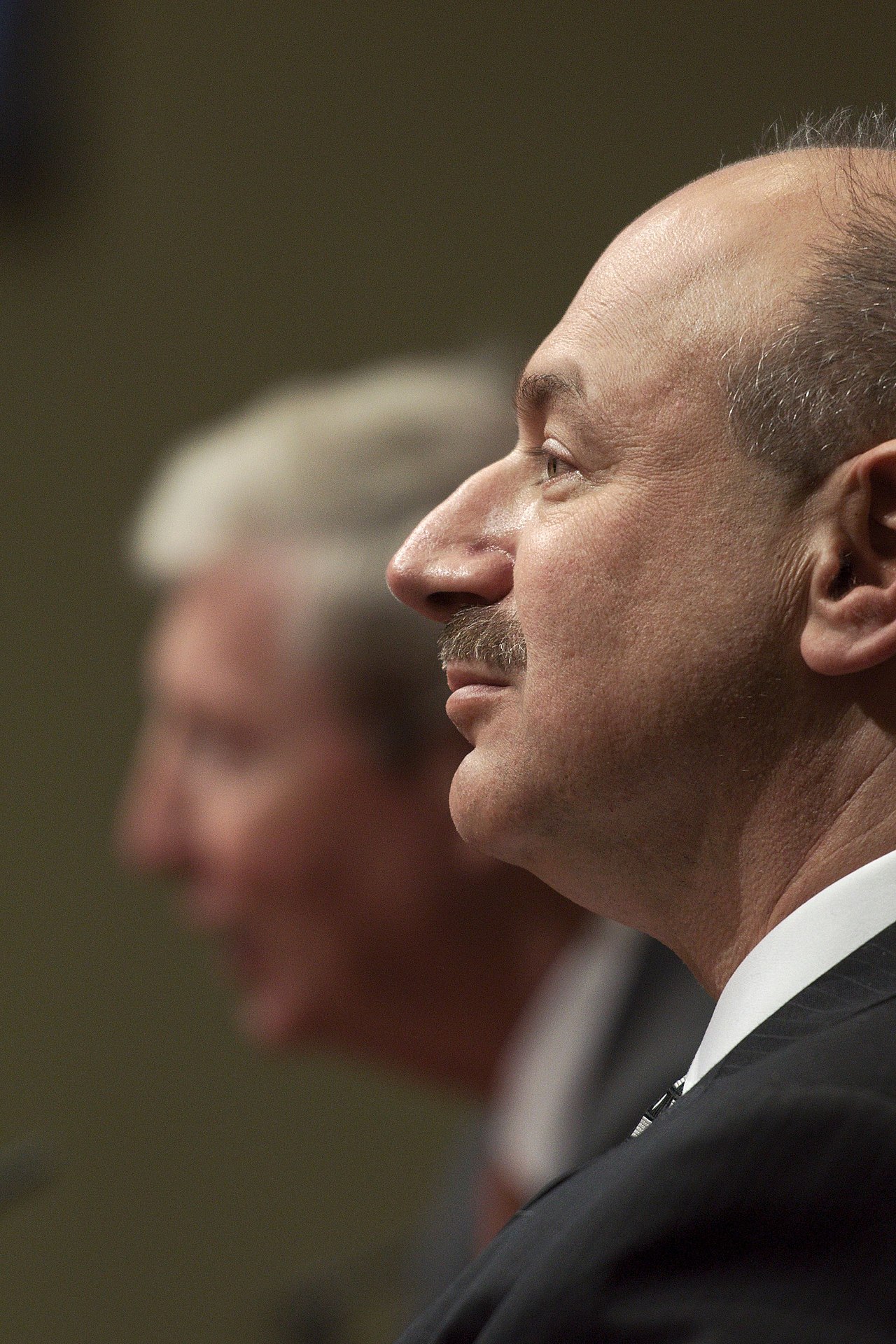

Research and discoveries
Beutler's research clarified molecular mechanisms by which animals detect microbial components and trigger immediate inflammatory responses. Using genetic approaches in mice, his laboratory identified receptors and signaling pathways that recognize bacterial products, establishing key principles of innate immune activation. These findings linked conserved receptor families to the rapid, non‑specific defense mechanisms that precede and shape adaptive immune responses.
Approach and methodology
Rather than relying solely on biochemical purification, Beutler emphasized forward genetics and positional cloning: observing mutant animals with altered responses to infection and then locating the responsible genes. This strategy revealed how single‑gene defects can impair pathogen sensing and alter susceptibility to inflammation. His work helped to define the family of receptors and adaptor proteins that translate microbial detection into cellular responses.
Career and affiliations
Beutler has held senior academic and research positions in leading U.S. laboratories. He led groups studying host defense at institutions that include The Scripps Research Institute and later the University of Texas Southwestern Medical Center. He has served as Director of centers devoted to genetic studies of immunity and maintained active laboratories in both La Jolla and Dallas, Texas. His family background in medicine is notable: his father, Ernest Beutler, was a distinguished hematologist and medical geneticist who influenced successive generations of researchers.
Impact, applications, and legacy
Beutler's findings reshaped understanding of inflammation, sepsis, vaccine adjuvants and innate immune signaling. By identifying molecular sensors of infection, his work created new targets for therapeutic intervention and improved interpretation of genetic causes of immune dysfunction. The conceptual distinction between innate detection and adaptive specificity—illuminated by his and colleagues' discoveries—remains central to modern immunology.
- Shared the 2011 Nobel Prize in Physiology or Medicine for discoveries concerning activation of innate immunity.
- Pioneered the use of genetic screens in mice to find genes required for pathogen sensing and inflammatory signaling.
- Held leadership roles at major research institutes and directed centers focused on host defense genetics.
- Connected fundamental molecular biology to clinical problems such as susceptibility to infection and inflammatory disease.
Today Beutler is widely cited for clarifying how innate immune receptors detect microbial molecules and for demonstrating the power of genetics to illuminate complex biological systems. Readers who wish to explore primary literature, institutional profiles, or related historical material can consult specialized databases and the linked institutional pages for additional context and current laboratory information.
Questions and answers
Q: Who is Bruce Alan Beutler?
A: Bruce Alan Beutler is an American immunologist and geneticist of Jewish descent.
Q: What did Bruce Alan Beutler receive a Nobel Prize in Physiology or Medicine for?
A: Bruce Alan Beutler received a Nobel Prize in Physiology or Medicine, along with Jules Hoffmann, for discoveries concerning the activation of innate immunity.
Q: Who else received a Nobel Prize in Physiology or Medicine in 2011?
A: Ralph Steinman received the other half of the Nobel Prize in Physiology or Medicine in 2011 for his discovery of the dendritic cell and its role in adaptive immunity.
Q: Where is Bruce Alan Beutler currently working?
A: Bruce Alan Beutler is currently the Director of the Center for the Genetics of Host Defense at the University of Texas Southwestern Medical Center in Dallas, Texas, and Professor and Chairman of the Department of Genetics at The Scripps Research Institute, in La Jolla, California.
Q: Was Bruce Alan Beutler's father also a medical geneticist?
A: Yes, Bruce Alan Beutler's father, Ernest Beutler, was also a hematologist and medical geneticist and a Professor and Department Chairman at Scripps.
Q: When was Bruce Alan Beutler born?
A: Bruce Alan Beutler was born on December 29, 1957, in Chicago, Illinois.
Q: What is Bruce Alan Beutler's area of expertise?
A: Bruce Alan Beutler's area of expertise is immunology and genetics.
Related articles
Author
AlegsaOnline.com Bruce Beutler: Nobel Laureate in Innate Immunity and Genetics Leandro Alegsa
URL: https://en.alegsaonline.com/art/115687
Sources
- jinfo.org : jinfo.org/Nobels_Medicine.html
- nobelprize.org : "Nobel Prize in Physiology or Medicine 2011"
- genealogy.com : "Frederick-J-Beutler - User Trees - Genealogy.com"