
Ralph Steinman — discoverer of dendritic cells and pioneer of cellular immunology
Canadian immunologist Ralph Steinman (1943–2011) identified dendritic cells and defined their central role in adaptive immunity, shaping modern immunotherapy and vaccine research.
Overview
Ralph Marvin Steinman was a Canadian physician-scientist best known for identifying the dendritic cell and clarifying its role in adaptive immune responses. Trained as an immunologist and an experimental cell biologist, he spent most of his career at Rockefeller University. His work established how a specialized class of antigen-presenting cells orchestrates the activation of T cells and the shaping of immune memory.
Image gallery
2 Images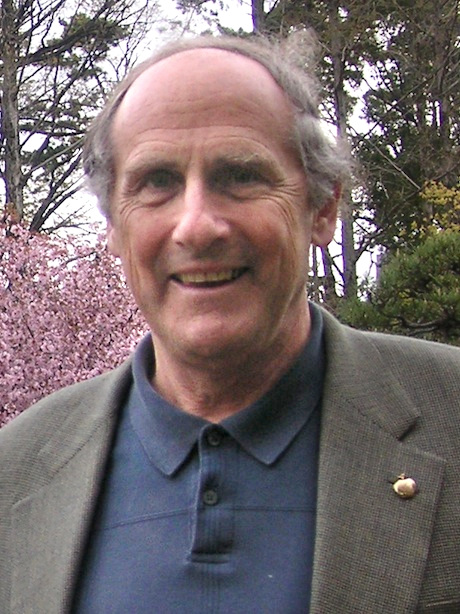

Discovery and scientific contribution
Working in the laboratory of Zanvil A. Cohn, Steinman described a small, branched population of cells in lymphoid organs and tissues that were highly effective at initiating immune responses. He coined the term dendritic cells for these cells, emphasizing their tree-like morphology. These cells capture antigens, process them and present peptide fragments together with costimulatory signals to naive T lymphocytes, thereby linking innate sensing to the immune system’s adaptive arm. Steinman’s experiments in the early 1970s and thereafter showed that dendritic cells are central to both immunity and tolerance, a dual role that underpins current vaccine design and immunotherapy strategies.
Career path and research approach
Steinman trained as a clinician and researcher and combined microscopy, cell isolation and functional assays to characterize dendritic cell subsets and their biology. In the laboratory he developed methods to culture and manipulate dendritic cells, enabling studies of antigen uptake, maturation and migration. Over decades his group and collaborators revealed how these cells integrate signals from pathogens, dying cells and the tissue environment to decide whether to activate immune responses or promote tolerance.
Recognition and awards
For his discoveries Steinman received many major scientific honors that recognized both basic insight and clinical promise. His prizes included the Albert Lasker Award, the Gairdner International Award and the William B. Coley Award, and he was elected to prestigious bodies such as the National Academy of Sciences and the Institute of Medicine. Colleagues cite his influence across fields from basic immunology to cancer and infectious disease research.
Nobel Prize and the posthumous announcement
In October 2011 the Nobel Committee announced that one half of the Nobel Prize in Physiology or Medicine had been awarded to Steinman for "his discovery of the dendritic cell and its role in adaptive immunity." The other half was given jointly to Bruce Beutler and Jules Hoffmann for work on innate immunity. Unknown to the committee at the time of the announcement, Steinman had died three days earlier of cancer—specifically pancreatic disease. Faced with a rule against posthumous awards, the committee concluded that its decision had been made in good faith and left the prize as announced. Family members later recalled Steinman’s determination to "hold out" for the news.
Legacy and ongoing impact
Steinman’s discovery transformed how researchers and clinicians think about initiating and regulating immune responses. Dendritic cells remain central to contemporary approaches to vaccination, tumor immunotherapy and the modulation of autoimmunity. Research groups worldwide continue to build on his methods for isolating, maturing and delivering dendritic cells as therapeutic agents. For introductions and detailed reviews of his work see accessible resources and archival material from major institutions and prize committees, including statements by the Nobel Committee and profiles at scientific societies and universities (immunology portals often summarize his contributions). Steinman’s example illustrates how cellular discovery can lead to new concepts, technologies and clinical directions that persist long after a single lifetime of investigation.
- Biographical profiles and remembrances: biography
- Selected scientific papers and reviews: primary literature
- Further background on dendritic cell terminology and function: terminology and reviews
Questions and answers
Q: Who was Ralph Marvin Steinman?
A: Ralph Marvin Steinman was a Canadian immunologist and cell biologist at Rockefeller University.
Q: What did he discover?
A: He discovered a type of cell in the immune system called dendritic cells.
Q: Who did he work with in the laboratory?
A: He worked in the laboratory of Zanvil A. Cohn.
Q: What award did Steinman receive on October 3, 2011?
A: On October 3, 2011, Steinman received one-half of the Nobel Prize in Physiology or Medicine for his discovery of dendritic cells and their role in adaptive immunity.
Q: Was it known that Steinman had died before receiving this award?
A: Yes, it was known that Steinman had passed away three days earlier on September 30 from pancreatic cancer.
Q: Did the committee change its decision to award him after learning about his death?
A: No, the committee decided that as their decision to award him was made in good faith they would not change it.
Q:What other awards and recognitions did he receive during his life-time?
A:Steinman received numerous other awards and recognitions for his life-long work on dendritic cells such as the Albert Lasker Award (2007), Gairdner Foundation International Award (2003) and Cancer Research Institute William B Coley Award (1998). In addition, he was made a member of Institute of Medicine (U.S.A.; elected 2002) and National Academy of Sciences (U.S.A.; elected 2001).
Author
AlegsaOnline.com Ralph Steinman — discoverer of dendritic cells and pioneer of cellular immunology Leandro Alegsa
URL: https://en.alegsaonline.com/art/129218