
Brian Williams (American broadcast journalist)
Brian Williams, American television journalist best known as longtime anchor of NBC Nightly News; his career includes major reporting roles, a 2015 suspension over misstatements, and later reassignment within NBC News.
Overview
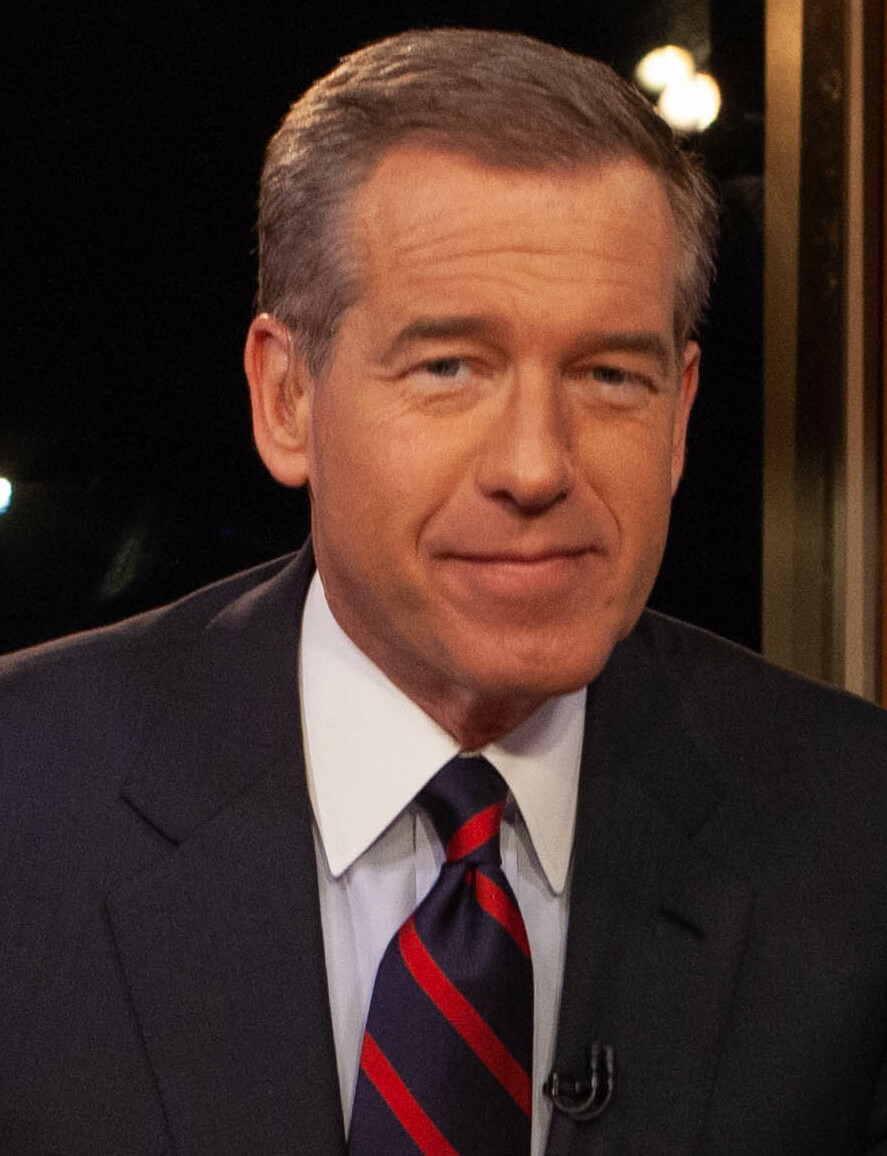
Brian Douglas Williams (born May 5, 1959) is an American broadcast journalist who became one of the most prominent television news anchors of his generation. He served as the primary anchor and managing editor of NBC Nightly News and was for many years a visible face of NBC News. His style combined narrative storytelling with feature reporting, bringing national and international events to a large evening audience.
Image gallery
6 Images



Career and roles
Williams began in local television and later moved into national reporting and anchoring. Over his career he has worked across NBC's news platforms, including evening newscasts and cable outlets. He anchored the network's flagship evening broadcast and hosted programs on CNBC and MSNBC. His work covered major stories such as wars, natural disasters, elections, and breaking news events, and he received industry recognition and awards for reporting and anchoring.
Controversy and suspension
In 2015 Williams acknowledged that he had made inaccurate statements about his experiences during two high-profile assignments. One involved reporting on a 2003 incident during the Iraq war, in which he described being aboard a helicopter that was hit; the claim was later disputed and discussed in public fact-checking. Coverage and discussion also focused on accounts of his reporting in New Orleans during the aftermath of Hurricane Katrina in 2005. The controversies are summarized in internal and public inquiries that examined those recollections and their accuracy: Iraq 2003 helicopter incident, New Orleans reporting and Katrina aftermath coverage. Following those findings, NBC suspended Williams for six months without pay and removed him from his role as the nightly anchor.
Later assignments and public response
After the suspension, Williams returned to television in a different capacity within the same news organization, taking on on-air roles for cable news coverage and breaking news updates. He did not resume the primary anchor position for the network's evening broadcast, which led to broader conversations about trust, memory, and accountability in journalism. The episode prompted discussion among media professionals and audiences about standards for sourcing, verification, and the responsibilities of high-profile journalists.
Legacy and significance
Brian Williams's career illustrates both the influence of television anchors on public understanding of events and the professional consequences when credibility is questioned. He remains a recognizable figure in American news media history: his earlier prominence as a nightly anchor, his widespread audience, and the controversy that reshaped his later professional path all contribute to an ongoing debate about journalistic ethics and how news organizations respond to errors by senior staff.
Notable aspects
- Longtime presence on network and cable television news.
- Recipient of industry awards for reporting and anchoring.
- Subject of a high-profile newsroom investigation and disciplinary action.
Related articles
Author
AlegsaOnline.com Brian Williams (American broadcast journalist) Leandro Alegsa
URL: https://en.alegsaonline.com/art/115648