
Bridget of Sweden (Saint Birgitta of Vadstena)
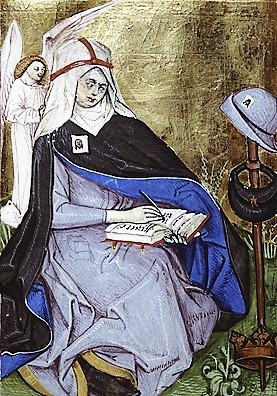
Bridget of Sweden (1303–1373) was a medieval mystic, founder of the Bridgettine order, and a major influence on late medieval spirituality and Church reform. She is remembered for her visions and writings.
Overview
Bridget of Sweden (also Birgitta Birgersdotter, 1303–1373) was a medieval noblewoman who became a celebrated mystic, founder of a religious order and, after her death, a canonized saint. Born into a Swedish noble family, she combined an active public life—marriage and motherhood—with a persistent reputation for visionary experiences and outspoken calls for moral and ecclesiastical reform. Her followers established the Bridgettine order, which attracted wide support in northern Europe and left a lasting mark on devotional practice.
Image gallery
10 Images


Life and major events
Bridget was born in 1303 and married young in keeping with the customs of her class; her husband, Ulf Gudmarsson, was a Swedish nobleman. After becoming a widow she undertook pilgrimages and devoted herself more fully to religious pursuits. She spent her later years in Rome, where she sought papal support for her religious program and where she died in 1373. During her lifetime she urged reform of clerical life and encouraged a deeper, affective devotion to the Passion of Christ. In 1370 Pope Urban V formally recognized the community she had founded, and she was canonized in 1391. In the late 20th century she was named among the patron saints of Europe by Pope John Paul II.
Visions, writings, and spirituality
Bridget reported numerous revelations, visions of Christ, the Virgin Mary and other saints, and prophetic admonitions directed at rulers and clergy. These communications were recorded by her confessors and followers and circulated in Latin as the Revelationes (often translated as The Revelations of Saint Bridget). The texts emphasize Christ's humanity and sufferings, penitential practice, care for the poor, and the need for moral renewal in society and church institutions. Her mystical style and practical counsel made her an important figure for late medieval devotion.
Founding the Bridgettine order and institutional legacy
Bridget founded an order commonly called the Bridgettines, officially the Order of the Most Holy Savior. The rule she promoted permitted a mixed community of nuns and monks with an abbess as head—a distinctive structure for the period— and prioritized contemplative prayer, hospitality, and liturgical life. The motherhouse at Vadstena in Sweden became an influential center. The order spread across Scandinavia and parts of continental Europe and played a role in shaping religious life for women in the later Middle Ages.
Importance and notable facts
- Her writings influenced devotional literature and the visual arts of the time, especially images of the Passion.
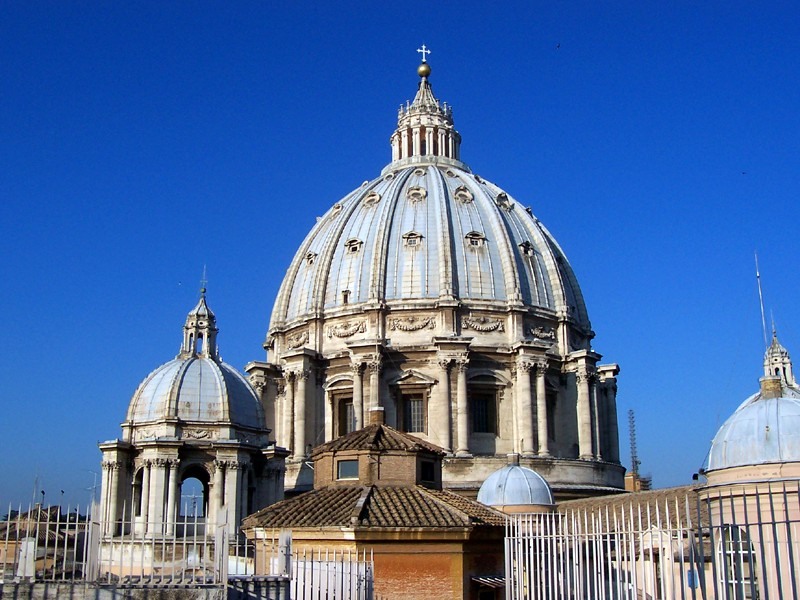
- She used pilgrimage and direct appeals to popes and kings to press for reform; her residence in Rome placed her near the papal court and international politics of the period—see her connection with Rome here.
- The community she founded received papal approval during the papacy of Pope Urban V, a milestone in its institutional development.
- Her daughter, Catherine, became closely associated with the order and its leadership at Vadstena.
Legacy and modern reception
Bridget's blend of prophetic urgency and practical institutional work helped her stand out among medieval women religious. Her Revelations remained popular into the early modern period, and her order continued to shape devotion and monastic practice in Scandinavia. Today she is commemorated in liturgical calendars and studied as a major voice in medieval spirituality, notable both for the scope of her influence and for presenting a model of female religious authority in a male-dominated Church.
More on Bridget as a mystic • Canonization and sainthood • Connections with Rome • Papal recognition of the order
Questions and answers
Q: Who was Bridget of Sweden?
A: Bridget of Sweden was a mystic and saint, and founder of the Bridgettines nuns and monks.
Q: What happened to Bridget's mother before she was born?
A: Bridget's mother was in a shipwreck, where many people died, but she was saved by the king's brother.
Q: Why was Bridget's mother saved in the shipwreck?
A: In a dream the night after her rescue, Bridget's mother was told that she was saved because the child in her womb was very special, and was a gift from God.
Q: Was staying a virgin easy for Bridget after she was married?
A: No, staying a virgin was hard for Bridget because she believed that it was the closest state to God, but she was forced to marry 18-year-old Ulf Gudmarsson when she was 14 years old.
Q: What did God tell Bridget after her husband died?
A: God sent a message to tell Bridget to come to Rome after her husband died.
Q: Did Bridget ever return to her hometown after she left for Rome?
A: No, Bridget packed up her bags and headed off to Rome, never to return to her hometown again.
Q: What did Pope Urban V do for Bridget's religious group in 1370?
A: Pope Urban V made Bridget's religious group official in 1370, and she eventually became famous for helping to restore the papacy in Rome.
Related articles
Author
AlegsaOnline.com Bridget of Sweden (Saint Birgitta of Vadstena) Leandro Alegsa
URL: https://en.alegsaonline.com/art/115651