
Brian Friel: Irish Playwright and Field Day Co-founder
Brian Friel (1929–2015) was an Irish dramatist, author and director. He wrote more than thirty plays exploring language, memory and identity and co-founded the Field Day Theatre Company.
Overview
Brian Friel (9 January 1929 – 2 October 2015) was an Irish playwright, short-story writer and theatre director whose work had a major influence on modern English-language drama. Over a career that stretched for more than sixty years he produced a large and varied body of plays noted for their precise use of language, their attention to memory and absence, and their probing of the ties between private lives and public history.
Image gallery
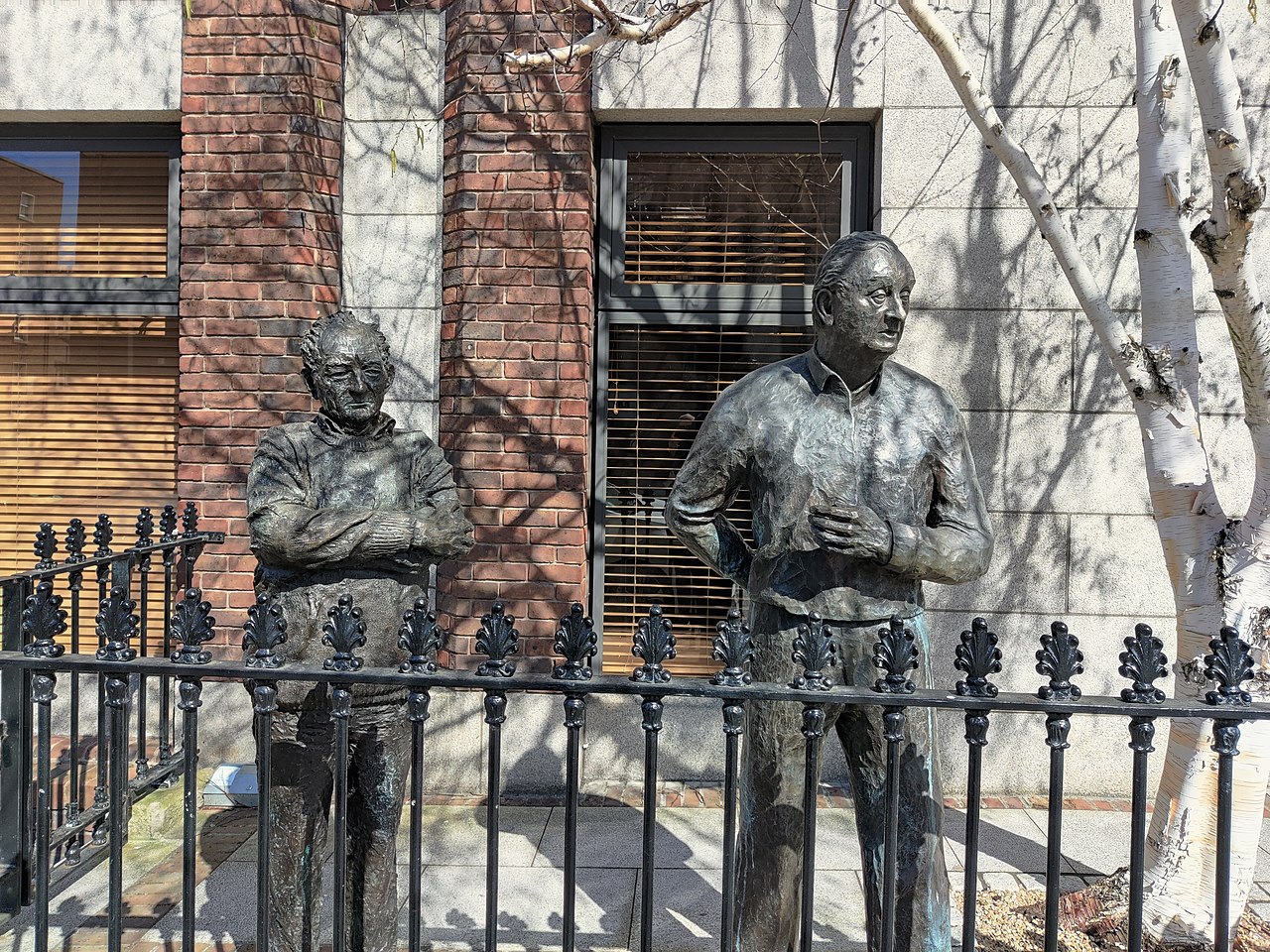
3 Images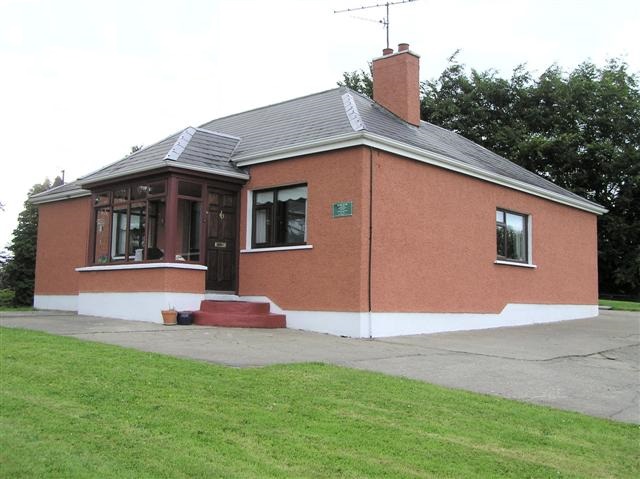

Life and career
Born in County Tyrone in Northern Ireland, Friel emerged as a leading figure in Irish theatre in the mid twentieth century. He achieved international recognition with plays that combined intimacy with wider cultural concerns, and he remained active as a writer and director throughout his life. In the late twentieth century he co-founded the Field Day Theatre Company with actor Stephen Rea, an initiative that sought to renew theatrical life in Ireland and to encourage debate about history, politics and culture.
Themes and style
Friel’s plays repeatedly return to questions of language, translation and the ways communities narrate themselves. He often treated speech and silence as dramatic materials, using pauses, overlaps and carefully observed domestic detail to reveal characters’ inner lives. Memory and the unreliability of testimony are frequent concerns: several plays present overlapping or contradictory accounts that invite the audience to judge how truth is constructed on stage.
Major works
- Philadelphia, Here I Come! — an early and influential play that deals with emigration, the passage into adulthood and the split between public and private selves.
- Translations — set in nineteenth-century rural Ireland, it examines the politics of language, colonial power and cultural change when English mapping and renaming meet Irish speech.
- The Faith Healer — a string of monologues in which different witnesses recall the same events, raising questions about memory and performance.
- Dancing at Lughnasa — a celebrated memory play about family life, ritual and social change in a small community; it has been adapted for film and for other media.
Field Day and public engagement
Field Day became a notable platform for theatre, publishing and cultural discussion, bringing together actors, writers and critics to address Irish history and identity. The company’s activities extended beyond production to include editions, essays and public debate, and they helped to stimulate renewed international interest in Irish writing and scholarship.
Reception, adaptations and legacy
Friel was widely admired for the emotional intelligence of his plays and for handling political and historical themes with subtlety rather than polemic. Many of his works have been translated and staged internationally and adapted for radio, television and film. Critics and scholars continue to study his techniques of dialogue, memory and dramatic irony, and his plays remain staples of theatre repertoires and university courses on modern drama.
For an overview of productions, publications and critical responses, see further resources.
Related articles
Author
AlegsaOnline.com Brian Friel: Irish Playwright and Field Day Co-founder Leandro Alegsa
URL: https://en.alegsaonline.com/art/115613
Sources
- entertainment.timesonline.co.uk : "Brian Friel's letters from an internal exile"
- theater.nytimes.com : "Seeing, in Brian Friel's Ballybeg"
- mg.co.za : "In the beginning was the image"
- bbc.co.uk : "Brian Friel: Famed playwright dies aged 86"