
Bob Knight (American college basketball coach)
Robert M. "Bob" Knight, born 1940, is a retired American college basketball coach known for more than 900 wins, three NCAA titles and a disciplinarian style that left a lasting impact on the sport.
Overview
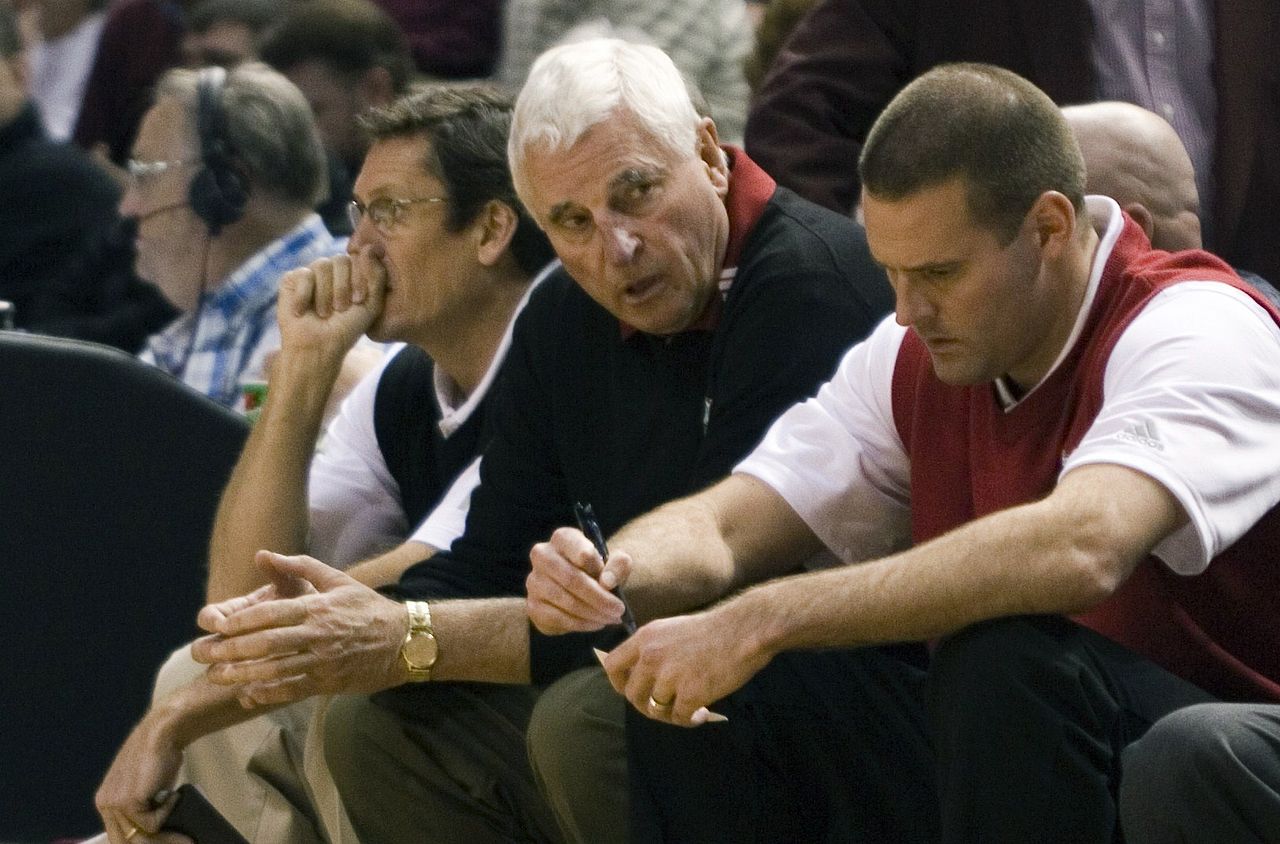
Robert Montgomery "Bob" Knight (born October 25, 1940) is a retired American basketball coach best known for his long tenure at the Indiana Hoosiers. Across a collegiate career that spanned several decades he compiled more than 900 Division I victories and led teams to three NCAA national championships, including the only undefeated season in the modern era of Division I men's basketball.
Image gallery
9 Images



Early life and coaching path
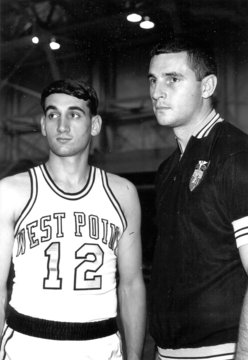
Knight was born and raised in Massillon, Ohio; he attended and studied at Ohio State University and later began a coaching career that moved from high school and service academy ranks into the major college game. Before arriving in Bloomington he built his reputation through steady program building and a disciplined approach to player development. His Midwestern roots and early experience shaped a coaching identity centered on fundamentals and accountability. He grew up in and around Massillon, a community with a strong tradition of organized sports.
Coaching characteristics and philosophy
Knight's teams were widely noted for their attention to basic skills, motion-oriented offense and intense man-to-man defense. He emphasized repetition, classroom-like practice structure and mental preparation. This method produced efficient team play, strong defensive fundamentals and a distinctive roster of well-coached players. Knight also cultivated a sizable coaching tree: a number of his former assistants and players went on to prominent jobs as head coaches, reflecting his influence on how the college game is taught.
Achievements
- More than 900 career Division I wins.
- Three NCAA Division I national championships.
- The 1975–76 Indiana squad completed an unbeaten season, a rare accomplishment in modern college basketball.
- Longstanding reputation as one of the most successful coaches in men's college basketball history.
Controversies and institutional actions
Knight's career combined notable success with periodic public controversy. He was criticized at times for an abrasive, confrontational manner; several episodes drew national attention, most famously when he threw a chair across the court during a game. He was also arrested on one occasion and was dismissed from his post at Indiana University in September 2000 following disputes over his conduct and the university's handling of related concerns. Supporters often pointed to his insistence on compliance and structure, and his programs were frequently described as being run with a strict emphasis on rules and accountability. For discussion of these matters see the broader reporting and analyses of his career and controversy.
Later career and legacy
After leaving Indiana, Knight returned to the sidelines as head coach at Texas Tech from 2001 to 2008, extending his influence on the college game and mentoring further generations of players. He later worked in media and public commentary; in 2015 ESPN decided not to renew his contract. Knight's legacy is complex: he is remembered for exceptional competitive success, the undefeated season and three national titles, and for shaping modern coaching practice, but also for a confrontational style that provoked debate about leadership and conduct in intercollegiate athletics.
Further reading and profiles of Knight's life, coaching philosophy and the controversies that followed him can be found in long-form biographies, archival game coverage and institutional histories that explore both his wins and the disputes that punctuated his career. For organizational or archival sources, consult institutional histories and sports-reference material via the links provided above.
basketball · coach · Indiana Hoosiers · Massillon · Ohio State · controversy
Related articles
Author
AlegsaOnline.com Bob Knight (American college basketball coach) Leandro Alegsa
URL: https://en.alegsaonline.com/art/115407