
Bob Crow (1961–2014) — British trade union leader
Bob Crow was a prominent and sometimes controversial British trade union leader who served as general secretary of the RMT from 2002 until his death in 2014, known for militant campaigning and strong membership growth.
Robert "Bob" Crow (13 June 1961 – 11 March 2014) was a British trade unionist best known for his role as general secretary of the National Union of Rail, Maritime and Transport Workers (RMT) from 2002 until his death. A figure both admired by many members and criticised in sections of the press and government, Crow became a high-profile advocate for rail workers' pay, conditions and public ownership of transport services.
Image gallery
3 Images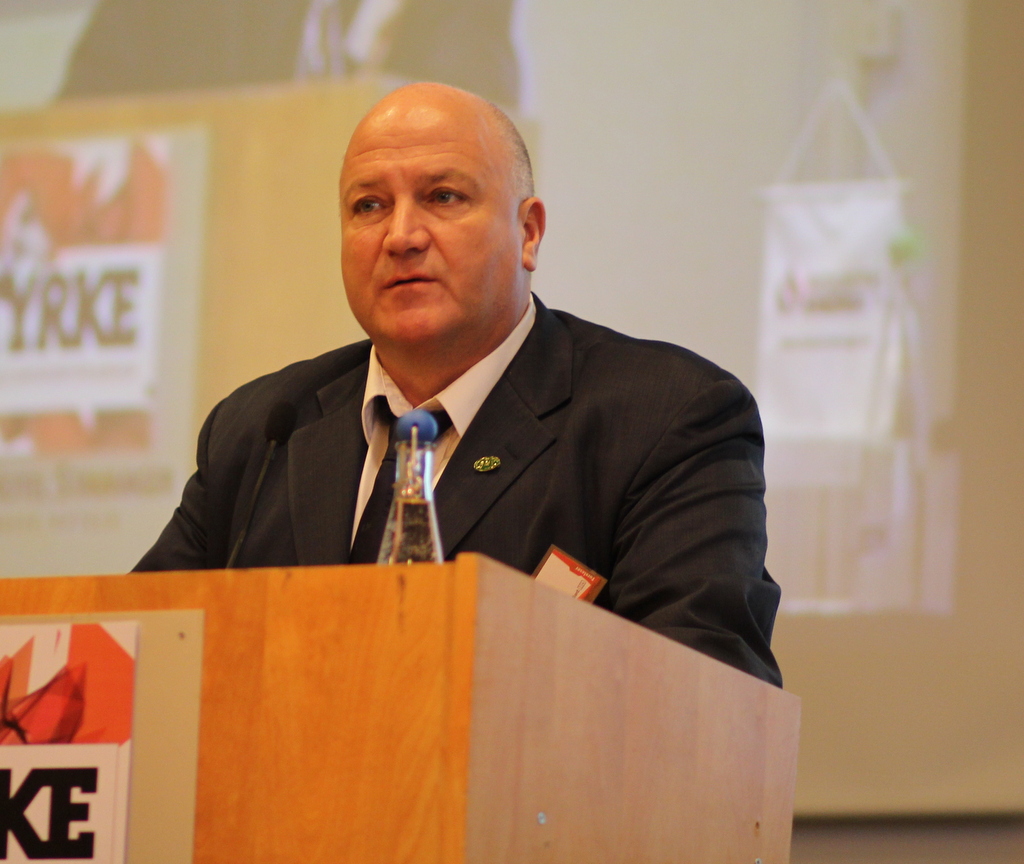


Leadership style and reputation
Crow's leadership combined robust negotiation tactics with an outspoken public profile. He was widely described as combative and pragmatic: willing to organise industrial action when he judged employer or state positions threatened members, but equally prepared to seek negotiated settlements. His tough stance earned him a popular nickname and made him a symbol of militant unionism for supporters.
Career and campaigns
Rising from work in the rail industry to full-time union roles, Crow led the RMT through a period of significant activity. Under his stewardship the union grew in membership and influence, campaigning on issues such as job security for on-board staff, safety, pay rounds and opposition to aspects of rail privatisation. Prominent campaigns included coordinated strikes and high-profile public statements intended to defend member interests and shape public policy.
- Defence of on-board staff and safety standards.
- Negotiation for improved pay and pensions for members.
- Political lobbying in favour of public ownership and against sweeping privatisation measures.
- Use of ballot-backed industrial action to press demands.
Death and legacy
Crow died suddenly on 11 March 2014 at Whipps Cross University Hospital after suffering an aneurysm and heart attack; he was 52. He left a mixed legacy: credited with strengthening the RMT and securing tangible gains for many members, while also remembered as a polarising public figure whose methods sparked wider debate about industrial strategy and transport policy.
Today his tenure is often cited in discussions of modern British unionism as an example of combative, membership-focused leadership. For contemporary accounts and further details about his life and the RMT during his time, see sources linked from archival and news materials (Whipps Cross University Hospital, medical reports).
Related articles
Author
AlegsaOnline.com Bob Crow (1961–2014) — British trade union leader Leandro Alegsa
URL: https://en.alegsaonline.com/art/115384
Sources
- news.bbc.co.uk : Bob Crow: workers' friend?
- rmt.org.uk : "RMT Membership passes 80,000"
- bbc.co.uk : "RMT union general secretary Bob Crow dies"
- telegraph.co.uk : "Bob Crow, leader of the RMT, dies"