
Bob Brown (Australian politician and environmentalist)
Australian physician, environmental campaigner and politician who led the Greens in federal parliament; first openly gay member and party leader in Australia's Parliament; noted for Tasmanian conservation work.
Overview
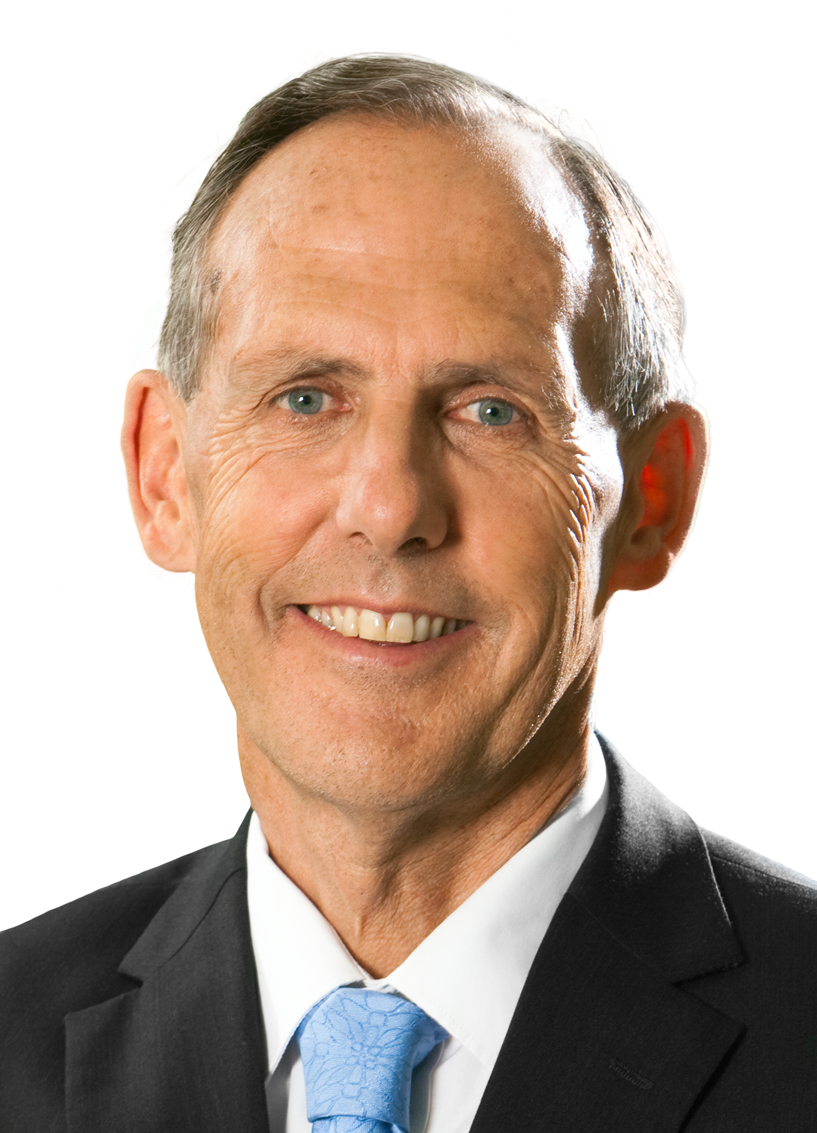
Bob Brown (born 27 December 1944) is an Australian physician, environmental campaigner and former politician best known for his role with the Greens movement. He served as a senior figure in Tasmanian and federal politics, and became a leading national voice for conservation, wilderness protection and progressive social policies. Brown is widely recognised for being the first openly gay member of the Australian Parliament and the first openly gay leader of an Australian political party.
Image gallery
10 Images



Early life and activism
Trained as a medical doctor, Brown moved from clinical work into community and environmental activism during the 1970s and 1980s. He became prominent in campaigns to protect Tasmania’s wild places, participating in high-profile protests and public advocacy against hydroelectric damming and large-scale logging. His campaigning helped build national awareness of Tasmania’s environmental values and contributed to the growth of organised green politics in the state.
Political career and leadership
Brown entered electoral politics as a member of the Tasmanian House of Assembly, representing Denison from 1983 to 1993, and served as leader of the Tasmanian Greens following the party’s foundation. He later moved to federal politics as a Senator for Tasmania, where he represented the Australian Greens at the national level. He became the party’s parliamentary leader and used his position to press for stronger environmental protections, electoral and political reform, and civil liberties.
Key actions and influence
- Advocated for protection of wilderness areas and biodiversity, including campaigns that attracted national attention.
- Used parliamentary debate, public campaigning and direct-action links to shape environmental policy conversations.
- Combined environmental priorities with wider progressive issues such as human rights, sustainable development and transparent government.
Resignation and later activities
In April 2012 Brown stepped down as parliamentary leader, handing the role to his deputy Christine Milne, and resigned his Senate seat in June of the same year. His departure from federal parliament was followed by the appointment of Peter Whish-Wilson to fill the vacancy. After leaving parliamentary office Brown continued to promote conservation, founding and supporting organisations dedicated to environmental protection, public education and activism.
Significance and legacy
Bob Brown’s political and public life is notable for several overlapping reasons: his role in bringing environmental issues into mainstream Australian politics; his contribution to the institutional development of green parties at state and national levels; and his status as a trailblazer for openly LGBT representation in Australian government. He combined grassroots campaigning with parliamentary engagement, making him a visible and often polarising figure in debates about land use, resource development and democratic reform.
Further reading and resources
For overviews of Brown’s public career and the organisations he influenced see resources on the LGBT movement and green politics, contemporary accounts of the Parliament of Australia, and materials provided by the party and related groups. His post-parliamentary work includes public speaking, supporting conservation projects and establishing a foundation to continue environmental advocacy.
Related articles
Author
AlegsaOnline.com Bob Brown (Australian politician and environmentalist) Leandro Alegsa
URL: https://en.alegsaonline.com/art/115377
Sources
- m.smh.com.au : Bob Brown resigns as Greens leader and senator