
Bobby Brown: American R&B Singer, Songwriter, and Former New Edition Member
Profile of Bobby Brown: early life in Boston, role in New Edition, solo success with new jack swing, notable songs, personal life, health and legal issues, and his cultural influence.
Overview
Robert Barisford Brown (born February 5, 1969) is an American R&B singer and songwriter who rose to fame as a member of the teen group New Edition and later as a solo artist. He helped popularize a hybrid of R&B and hip-hop–influenced production often called new jack swing and achieved broad commercial success in the late 1980s and early 1990s. His best-known solo hits include "Don't Be Cruel," "Every Little Step," and "Roni." For general biographical summaries see biographical sources.
Image gallery
1 Image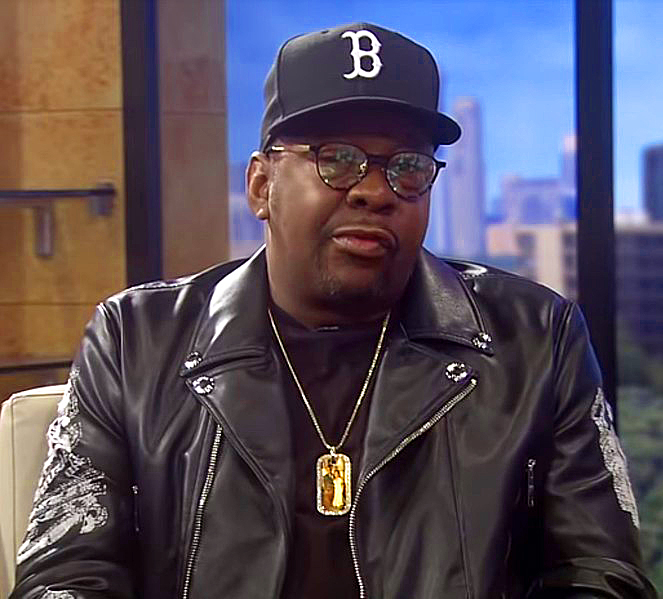
Early life and beginnings
Brown was born and raised in Roxbury, a neighborhood of Boston, Massachusetts, where he began performing as a child. His early exposure to local performance opportunities and school stage programs contributed to his development as a singer and entertainer. He joined New Edition as a teenager and the group achieved success with a string of pop and R&B singles, establishing Brown in the music industry before he left to pursue a solo career in the mid-1980s. Local histories and regional records provide context for his formative years (Roxbury, Massachusetts).
New Edition and the move to solo work
As a member of New Edition, Brown appeared on releases that targeted teen audiences and urban radio. After departing the group in the 1980s he developed a solo sound that incorporated contemporary production trends. His 1988 solo album Don't Be Cruel marked a commercial breakthrough and exposed wider audiences to new jack swing–influenced arrangements and rhythms. For chart listings and discography details, consult record archives and music retrospectives (charts and catalogs).
Musical style and collaborators
Brown's music blended R&B singing with dance-oriented production, strong rhythms, and choreographed stage performance. He worked with producers and musicians associated with the urban contemporary pop and new jack swing movements; those collaborations helped shape the sound that dominated parts of late 1980s mainstream R&B. Analysts and music histories discuss these stylistic trends and the producers who contributed to the era's sound (artist profiles).
Notable works and recognition
- Don't Be Cruel (album) — widely cited as his commercial peak as a solo artist
- Key singles: "Don't Be Cruel," "Every Little Step," "Roni" — received heavy radio play and video rotation
- Reunions and collaborations — periodic returns to work with former bandmates and appearances linked to New Edition
Personal life
Brown's personal life has been the subject of extensive media coverage. He married singer Whitney Houston in 1992; the couple had a daughter, Bobbi Kristina Brown, in 1993. The marriage ended in separation in the mid-2000s and was later dissolved. Their daughter, who also received public attention, died in 2015. Media timelines and contemporary reporting document these family events and their public ramifications (timelines).
Health, legal matters, and public struggles
Over the course of his career Brown has been open about struggles that affected his work and public image, including periods of substance use and several legal incidents that received media attention. He has also been publicly reported as having received clinical diagnoses such as attention-deficit hyperactivity disorder and bipolar disorder; discussions of these conditions and support resources appear in health coverage and recovery narratives (medical coverage, ADHD information, bipolar disorder resources).
Later career and public appearances
In later years Brown continued to perform, record, and make public appearances. He and his former groupmates reunited for special performances at times, and he participated in projects that revisited the music and cultural impact of the era in which he first became known. He also appeared in reality television and other media formats that chronicled aspects of his personal life and family relations.
Legacy and cultural influence
Bobby Brown is widely regarded as an influential figure in late 20th-century R&B and urban pop. His energetic stage persona, dance choreography, and commercial hits contributed to the mainstream visibility of new jack swing and helped pave the way for later artists who mixed R&B vocals with hip-hop–informed rhythms. Music historians and critics reference his work when discussing the transition of R&B into the contemporary soundscapes of the 1990s and beyond. For further reading, consult biographies, music histories, and archival interviews (biographies, music retrospectives).
For authoritative timelines, discographies, and extended analyses, researchers may consult dedicated music archives and major reference compilations. Regional histories of Boston and Roxbury provide local context for his upbringing and early influences (local history, regional records), and coverage of personal and health matters appears in broader cultural reporting (popular culture sources, health narratives).
Related articles
Author
AlegsaOnline.com Bobby Brown: American R&B Singer, Songwriter, and Former New Edition Member Leandro Alegsa
URL: https://en.alegsaonline.com/art/115336
Sources
- bipolar.about.com : About.com