
Bill de Blasio
American politician; served as Mayor of New York City (2014–2021). Known for progressive agenda on inequality and universal pre-K, earlier roles as NYC Public Advocate and City Council member.
Bill de Blasio (born Warren Wilhelm Jr.; May 8, 1961) is an American politician who served two terms as Mayor of New York City from 2014 to 2021. A member of the Democratic Party, he rose to prominence on a platform that emphasized economic inequality, expanded early childhood education, and changes to city policing practices. Before becoming mayor he held citywide and local elected posts, including New York City Public Advocate and service on the City Council.
Image gallery
10 Images

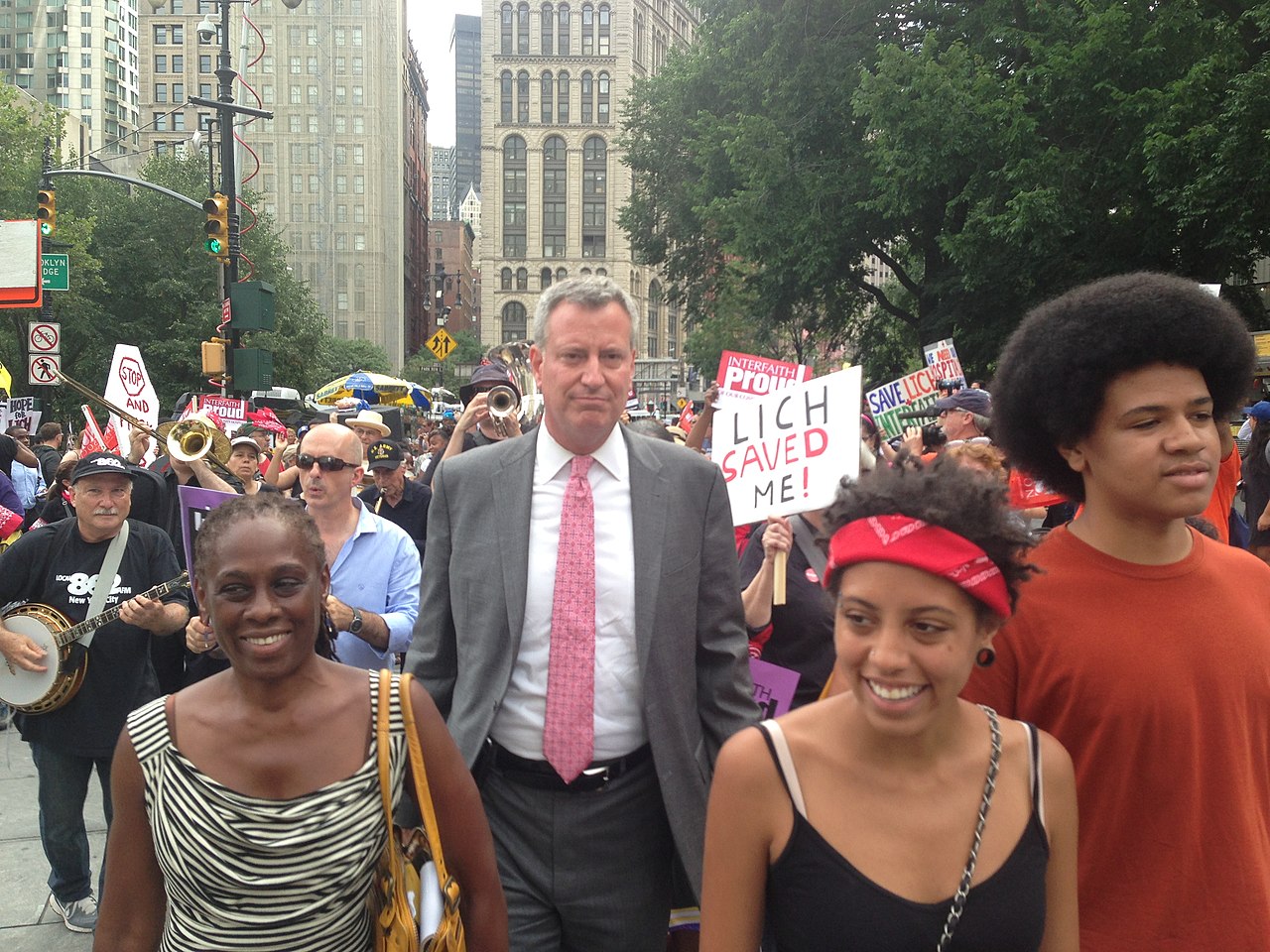


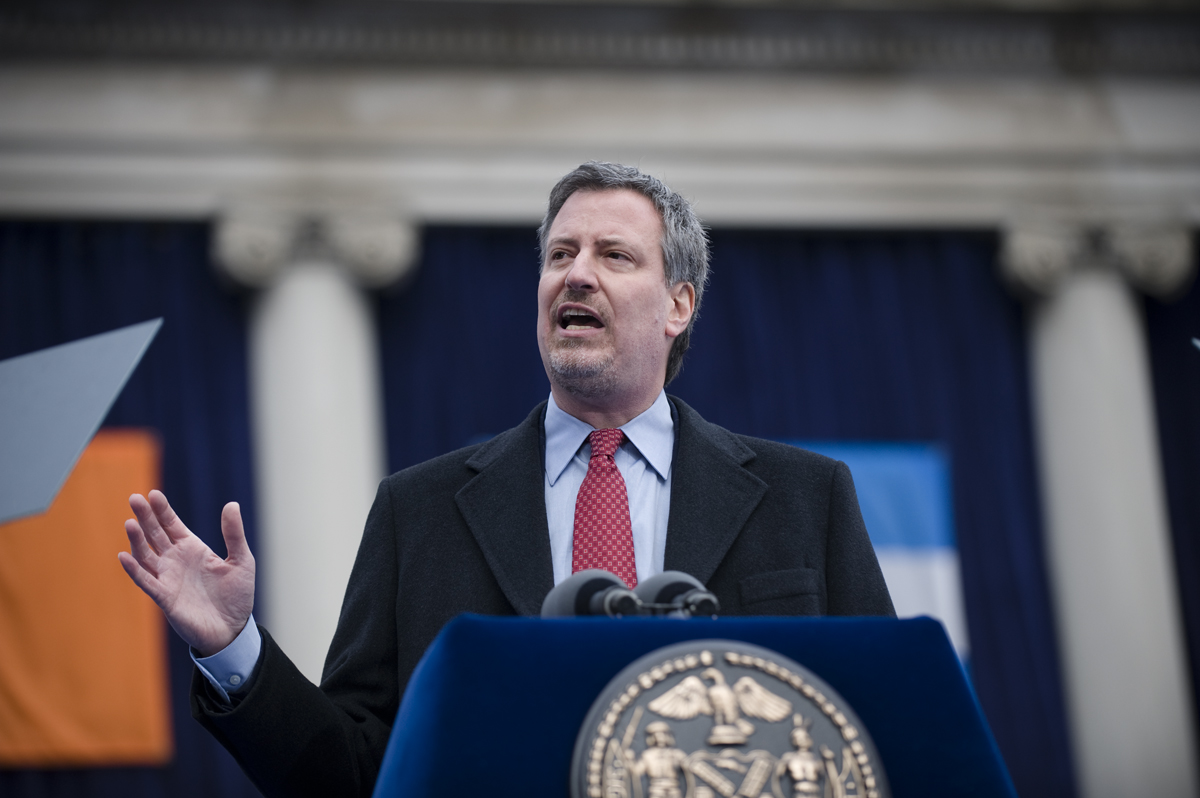


Overview and background
De Blasio was born with the name Warren Wilhelm Jr. and later took his mother's surname, de Blasio. He built a political identity around the theme that the city was a "tale of two cities," arguing that rising inequality required active municipal policy. As mayor, he presided over the nation's largest city during periods of economic change, high-profile social debates, and the onset of the COVID-19 pandemic.
Major initiatives and priorities
Throughout his mayoralty de Blasio advanced several signature programs and priorities, often framed as progressive reforms. Notable emphases included:
- Creation and expansion of universal pre-kindergarten programs for families across the city.
- Affordable housing efforts and initiatives intended to preserve or produce housing for low- and middle-income residents.
- Calls for criminal justice and policing reform, including measures designed to curb stop-and-frisk practices and increase police accountability.
- Public health and social-service campaigns championed by his administration and the city’s first lady, who focused on mental health and community well-being.
Controversies and public response
De Blasio’s tenure attracted both praise and criticism. Supporters credited him with advancing early education and highlighting inequality; critics pointed to perceived shortcomings on public safety, homelessness, and management of city agencies. His handling of relations with law enforcement and the city's response during the pandemic were frequent subjects of political debate.
Earlier career and later pursuits
Before serving as mayor he was New York City Public Advocate (2010–2013) and a member of the City Council. He made a brief run for the Democratic presidential nomination in 2019–2020 but did not win significant support. After leaving office he remained a public figure engaged in political commentary and civic issues affecting New York City and national conversations on urban policy.
Notable distinctions: de Blasio is widely associated with the municipal push for universal pre-K and with reframing city politics around income inequality. His political legacy is debated, reflecting the complex trade-offs municipal leaders face when pursuing reform in a large, diverse metropolis.
Related articles
Author
AlegsaOnline.com Bill de Blasio Leandro Alegsa
URL: https://en.alegsaonline.com/art/115212
Sources
- newsday.com : "A refresher on candidate Bill de Blasio"
- nytimes.com : "De Blasio Is Elected New York City Mayor in Landslide"
- vote.nyc.ny.us : "Statement and Return Support for Certification – General Election - 11/7/2017 – Crossover – All Parties and Independent Bodies"
- nydailynews.com : "Mayor de Blasio sworn in for second term by Bernie Sanders"
- twitter.com : "Today I am proud to announce my candidacy for president of the United States of America, because it's time to finally put working people first"
- theguardian.com : "Bill de Blasio announces 2020 presidential bid"
- politico.com : "Bill de Blasio ends 2020 presidential campaign"
- politico.com : "De Blasio to endorse Bernie Sanders"