
Bill Evans — influential American jazz pianist
Bill Evans (1929–1980), American jazz pianist whose harmonic language and interactive trio approach helped reshape modern jazz; known for Kind of Blue, Sunday at the Village Vanguard, and lyrical touch.
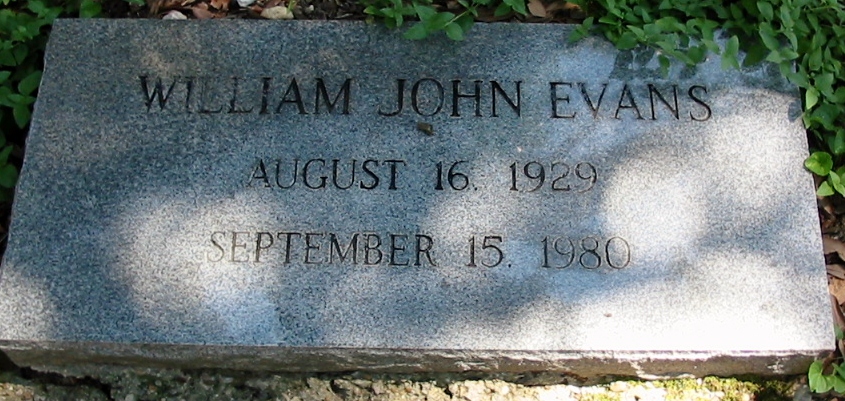
William John "Bill" Evans (August 16, 1929 – September 15, 1980) was an American jazz performer widely regarded as one of the most important pianists of the 20th century. Trained in both classical and jazz traditions, he combined impressionistic harmonies with a strong sense of lyricism. Evans's playing emphasized subtle dynamics, careful voice leading, and a spacious touch on the piano, qualities that influenced generations of musicians.
Image gallery
10 Images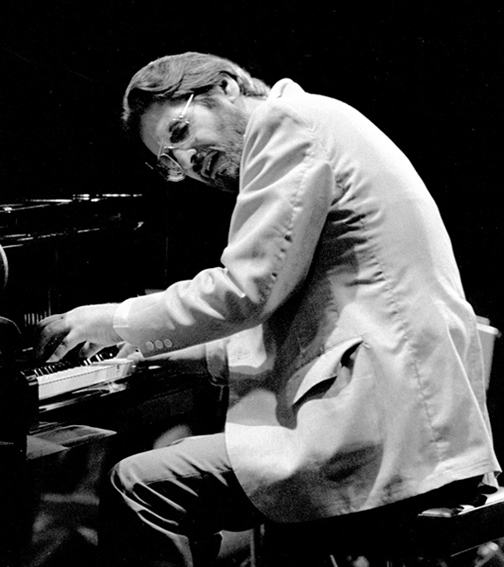



Overview of style and approach
Evans developed a harmonic vocabulary that used close, richly colored voicings in the left hand and singable, flowing lines in the right. He favored conversational interplay within small ensembles and is especially associated with the piano trio format—piano, bass, and drums—where each instrument contributes equally rather than merely accompanying. His emphasis on collective listening and spontaneous group-improvisation became a model for modern small-group jazz.
Characteristics
- Use of dense, tightly spaced chords and rootless voicings to create an orchestral piano sound.
- Clear, vocal-like melodies combined with sophisticated harmonic progressions.
- Delicate touch, wide dynamic control, and an attraction to modal and impressionistic colors.
- Collaborative trio work that prioritized interaction over solo-feature formats.
Key recordings and collaborations
Evans's recorded legacy includes landmark sessions and albums that illustrate his evolution: his important contribution to Miles Davis's 1959 album "Kind of Blue" brought his harmonic sensibility to a wide audience. With his own trios he made influential recordings such as "Portrait in Jazz," the live albums "Sunday at the Village Vanguard" and "Waltz for Debby," and chamber duo work like "Undercurrent." He also explored studio techniques with overdubbing on projects like "Conversations with Myself." These records display both his compositional gifts and his capacity for intimate ensemble dialogue.
History and influence
Born in New Jersey and active primarily from the 1950s through 1980, Evans drew from classical composers as well as from bebop pianists. A tragic car accident that killed bassist Scott LaFaro in 1961 disrupted one of his most celebrated trios and affected Evans deeply. Despite personal struggles that affected his health and output, his harmonic innovations, trio concept, and melodic sensibility have been widely adopted by later pianists and ensembles. He received critical acclaim and posthumous recognition, and his work remains a standard reference for students and fans of modern jazz.
For a general introduction to his life and recordings, see biographical and discographic sources and listening guides that explore his major periods and collaborations. Career summaries, analyses of his harmonic techniques, and annotated discographies are available for those who wish to study his art more closely.
Further reading and resources: artist profiles, transcriptions, and historical essays provide context for his innovations and continuing legacy in jazz education and performance. See also album guides and interviews that document his methods and the development of the modern piano trio. Overview | Biography | Technique | Harmony | Melody | Group interaction
Related articles
Author
AlegsaOnline.com Bill Evans — influential American jazz pianist Leandro Alegsa
URL: https://en.alegsaonline.com/art/115216