
Bill Anderson (singer)
American country singer-songwriter known as 'Whisperin' Bill', Grand Ole Opry member since 1961, author of numerous hits, duet partner and television personality, inducted into the Songwriters Hall of Fame in 2018.
Overview
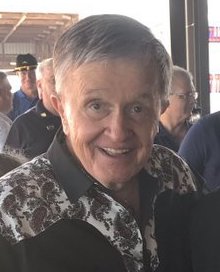
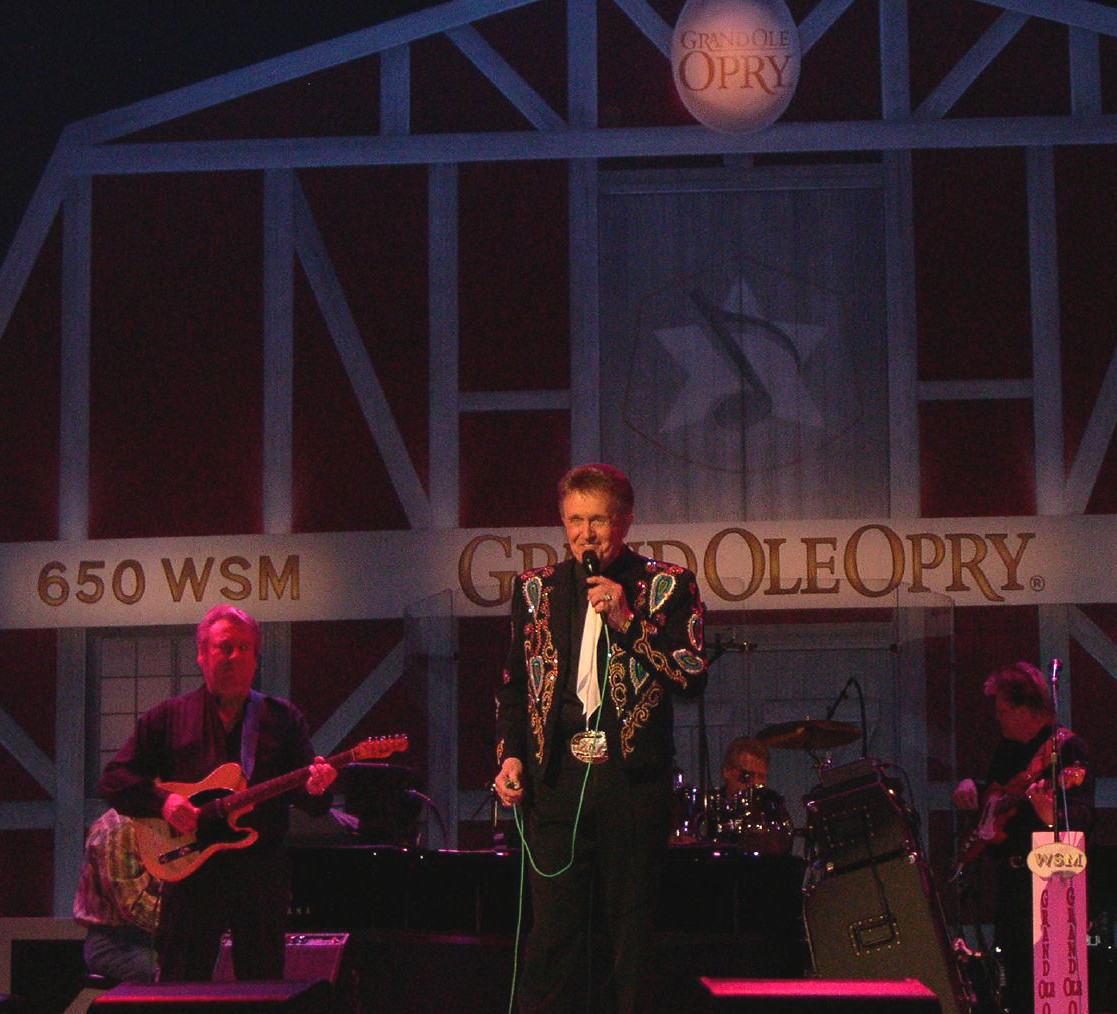
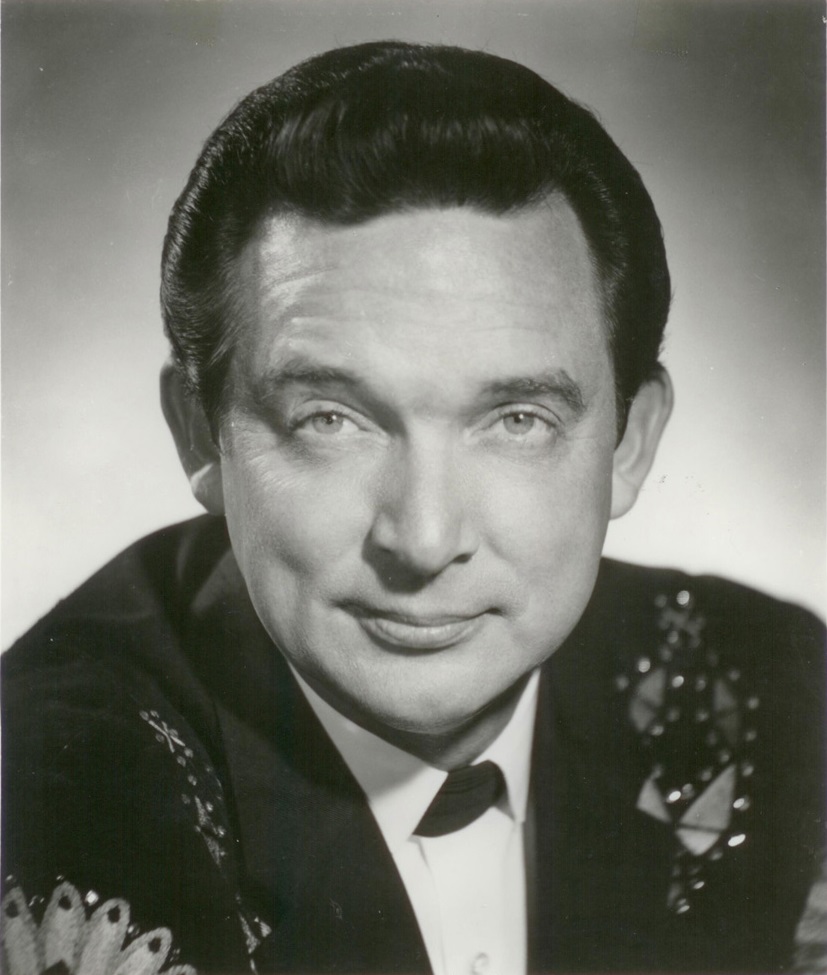
James William Anderson III (born November 1, 1937), professionally known as Bill Anderson or "Whisperin' Bill," is an American country music singer-songwriter and television personality. He built a long career as a performer and writer characterized by a soft, conversational vocal delivery that earned his nickname. Anderson became a member of the weekly Grand Ole Opry stage and radio company in 1961 and has been associated with the Nashville country music community for decades Grand Ole Opry Nashville.
Image gallery
10 Images




Musical style and songwriting
Anderson's style blends tender vocal phrasing with traditional country instrumentation and clear narrative lyrics. He is respected for his craft as a songwriter: his catalog includes compositions recorded by many other artists in addition to his own material. Over his career he released more than forty studio albums and accumulated a string of charting singles. His restrained, intimate delivery and storytelling approach helped define a recognizable corner of country music across the 1960s and 1970s.
Notable recordings and collaborations
Anderson reached the top of the country charts seven times. Significant No. 1 singles include:
- "Mama Sang a Song" (1962)
- "Still" (1963)
- "I Get the Fever" (1966)
- "For Loving You" (with Jan Howard, 1967) — duet partner Jan Howard
- "My Life (Throw It Away If I Want To)" (1969)
- "World of Make Believe" (1973)
- "Sometimes" (with Mary Lou Turner, 1976)
Anderson also appeared on television and hosted or guested on country music programs, extending his visibility beyond records and live shows. He frequently worked in collaboration with other singers and writers, contributing both lead performances and supporting roles on recordings and broadcasts.
Career milestones and honors
Anderson's long-term membership in the Grand Ole Opry, beginning in the early 1960s, placed him among the core figures of mainstream country music. In recognition of his songwriting contributions he was elected to the Songwriters Hall of Fame in 2018, an honor that highlighted his influence on the craft of country composition. His body of work includes award-nominated and chart-topping material that has been part of the genre's repertoire for decades.
Legacy and notable facts
Beyond his hits and recordings, Anderson is often cited for mentoring younger performers and for a prolific output of songs that became standards for other artists. In 2019 The New York Times included Anderson on a list of artists whose original recorded material was reported to have been destroyed in the 2008 Universal Studios fire The New York Times account, which referenced losses from the 2008 Universal Studios fire. Despite such setbacks, Anderson's catalog and presence in live performance and radio have kept his work in circulation. For further reading about his recordings, public appearances and songwriting credits, consult general music and country-music resources or archives country charts and discographies.
Selected themes: intimate vocal approach, narrative songwriting, long-standing Opry membership, duet partnerships, influence on mid-20th-century country music.
Related articles
Author
AlegsaOnline.com Bill Anderson (singer) Leandro Alegsa
URL: https://en.alegsaonline.com/art/115187
Sources
- opry.com : "Opry Member List PDF" · web.archive.org
- songhall.org : "Songwriters Hall Of Fame Announces 2018 Inductees - Songwriters Hall of Fame"
- nytimes.com : "Here Are Hundreds More Artists Whose Tapes Were Destroyed in the UMG Fire"