
Sheriff: county law officer and historical royal official
An overview of the sheriff: origins, typical duties, variations across jurisdictions, and distinctions from other law‑enforcement or judicial offices.
A sheriff is a public official traditionally charged with maintaining law and order over a geographical subdivision such as a county or parish. The name and duties have evolved over centuries, and modern sheriffs can be police executives, court officers, jail administrators, or largely ceremonial figures depending on the country and legal system. The office traces its linguistic roots to earlier medieval administration.
Anglo-Norman and English administrative history contributed to the title: it ultimately derives from the Old English compound meaning the "keeper" or "reeve" of a shire, who acted as the king's representative in local government. In medieval times the sheriff collected taxes, convened juries, supervised law enforcement and executed royal writs. Over time, central governments and evolving legal institutions shifted many of these responsibilities away from the office, producing a wide range of modern forms.
Image gallery
4 Images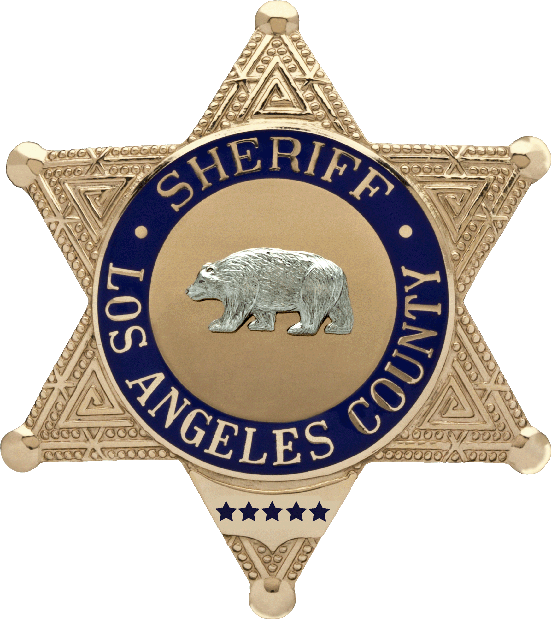


Typical responsibilities
- Law enforcement and patrol services within county limits (where no municipal police exist).
- Operation and custody of county jails and detainee transport.
- Service of court process, enforcement of civil judgments and courtroom security.
- Execution of warrants, eviction orders and, historically, collection of revenues.
- Emergency and search operations, sometimes coordinating volunteer posses or deputies.
Not every jurisdiction combines all these functions. In the United States, for example, many sheriffs are elected officials with county‑wide authority who manage jails and provide court security; in some Canadian provinces, sheriffs are primarily court officers; in Scotland the historic sheriff became a judge in the sheriff court system; and in England and Wales the modern High Sheriff is largely ceremonial while policing is handled by police forces.
Distinctions from other roles are important: a sheriff is not automatically the same as a police chief, constable or federal marshal. Police chiefs are typically appointed to run municipal forces, constables may have limited community duties, and federal marshals operate at the national level. A sheriff's powers are often defined by statute, by election mandate, or by tradition, and can include civil, criminal and administrative responsibilities.
Contemporary discussion about sheriffs touches on accountability, elected versus appointed leadership, use of deputization, and the balance between local autonomy and centralized standards. While the title preserves a link to medieval governance, modern sheriffs function within complex legal and political frameworks adapted to present‑day public safety and judicial needs.
For related topics and comparative details, see entries on local government roles and historic offices of the county or parish, medieval administration in Anglo-Norman society, or judicial officers in English-derived systems. Historical notes on the development of the shire and royal administration are tied to the authority of the king.
Questions and answers
Q: What is the definition of a sheriff?
A: A sheriff is a legal official who is responsible for a county or parish.
Q: Do the duties of a sheriff vary between different regions?
A: Yes, the duties of a sheriff can vary from country to country.
Q: Where does the term "sheriff" come from?
A: The term "sheriff" comes from Anglo-Norman English.
Q: What was the role of the kings officer in each shire?
A: The kings officer in each shire was called a "shire-reeve" and his function was to enforce the king's law in the shire or county.
Q: Is a sheriff always responsible for a county?
A: A sheriff is generally responsible for a county or parish, but it can depend on the region.
Q: Can a sheriff enforce the law in areas outside of their county or parish?
A: Generally, a sheriff's jurisdiction is limited to their county or parish, so they cannot enforce the law in areas outside of it.
Q: Is the role of a sheriff the same in all countries?
A: No, the role of a sheriff can vary from country to country.
Related articles
Author
AlegsaOnline.com Sheriff: county law officer and historical royal official Leandro Alegsa
URL: https://en.alegsaonline.com/art/89690
Sources
- fcso-ma.us : "History of Sheriff's Office"
- sarci.org : "Pima County Sheriff's Posse"