
Bernardo Provenzano: Sicilian Mafia leader and long-term fugitive
Bernardo Provenzano (1933–2016) was a leading figure in the Sicilian Mafia (Cosa Nostra), alleged head of the Corleonesi faction and a fugitive until his 2006 arrest; he died in prison of bladder cancer.
Overview
Bernardo Provenzano (31 January 1933 – 13 July 2016) was a prominent member of the Sicilian Sicilian Mafia, commonly known as Cosa Nostra. He is widely believed to have been one of the leading figures of the Corleonesi faction and to have acted as the effective capo di tutti capi (boss of bosses) for a period before his capture. Provenzano lived as a fugitive for more than four decades and became a symbol of the Mafia's ability to survive and adapt.
Image gallery
2 Images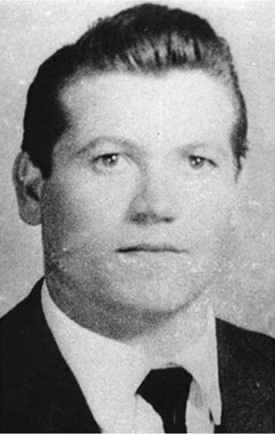

Background and rise
Born in the Sicilian countryside, Provenzano rose through the ranks of the Corleone clan, a group that produced some of the most notorious Mafia bosses in the late 20th century. The Corleonesi gained power through a combination of violence, strategic alliances and infiltration of local institutions. Provenzano's role expanded over time as older leaders were arrested or killed, and he is often described as a key organizer and mediator within the criminal network.
Leadership style and operations
Unlike some of his contemporaries who favored public displays of brutality, Provenzano was noted for a more discreet and managerial approach. He reportedly preferred to coordinate activities indirectly, using small handwritten notes known as pizzini and trusted intermediaries to communicate orders. Under his influence, observers say parts of the Mafia emphasized corruption and quiet infiltration of legal businesses and public contracts rather than large-scale bombings and overt terrorism.
Arrest, conviction and death
Provenzano was arrested in 2006 after an intensive manhunt that involved decades of police investigations. His capture was seen as a major blow to Cosa Nostra's leadership. Following his arrest he was tried and received multiple convictions, serving his sentences in strict prison conditions. He died in a prison hospital on 13 July 2016 from complications related to bladder cancer.
Notable aspects and legacy
- Symbol of the Mafia's endurance and adaptability over many decades.
- Associated with the Corleonesi's consolidation of power in Sicily.
- Known for operating through secrecy and indirect control rather than public spectacle.
- His arrest in 2006 removed a central figure but did not eliminate organized crime in the region.
For further historical context on the Sicilian Mafia and organized crime dynamics, readers may consult contemporary studies and archival reports that examine the Corleonesi era and the Italian state's responses to it. Additional resources are available through law-enforcement summaries and academic work on Cosa Nostra's structure and evolution. See also Sicilian and Mafia overviews for wider context.
Related articles
Author
AlegsaOnline.com Bernardo Provenzano: Sicilian Mafia leader and long-term fugitive Leandro Alegsa
URL: https://en.alegsaonline.com/art/115032
Sources
- news.bbc.co.uk : Profile: Bernardo Provenzano
- time.com : Sicily's Invisible Man
- bbc.co.uk : "Italian mafia boss Bernardo Provenzano, 83, dies in jail"