
Bernardo O'Higgins: Leader of Chilean Independence and Early Head of State
Bernardo O'Higgins (1778–1842) was a principal leader of Chilean independence, the country's Supreme Director (1817–1823), and a central figure in the foundation of the modern Chilean state.
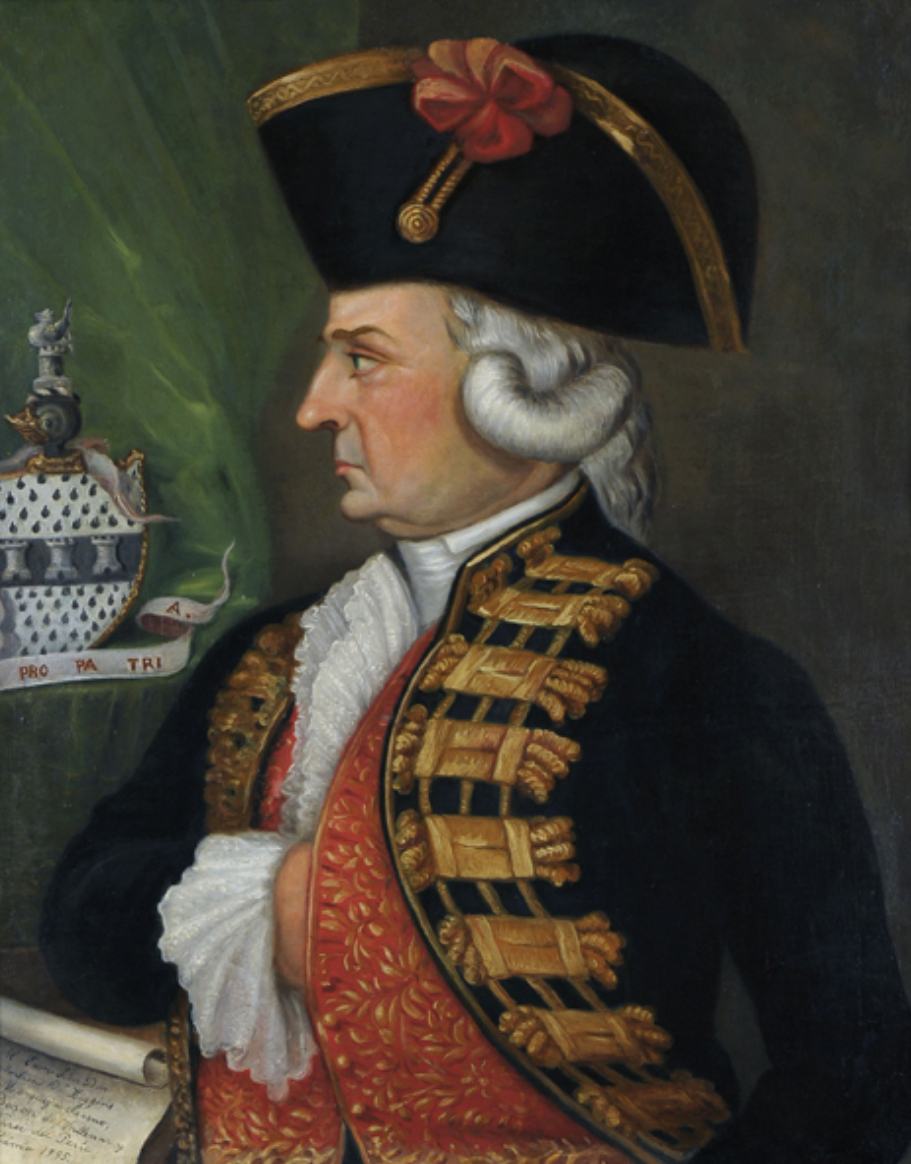
Bernardo O'Higgins Riquelme (1778–1842) is widely regarded as one of the primary architects of Chilean independence. Born in the Captaincy General of Chile to Ambrosio O'Higgins, an Irish-born colonial official, and Isabel Riquelme, he emerged as a military and political leader who helped break colonial rule and establish Chile as an independent republic. His life bridged colonial administration and republican government at a pivotal moment in South American history.
Image gallery
10 Images


Early life and background
O'Higgins spent his youth between Chile and Lima, receiving an education that combined local and European influences. His father, Ambrosio, served in high colonial office, which gave Bernardo exposure to administration and the military. As revolutionary ideas spread across the Americas and Europe in the late 18th and early 19th centuries, O'Higgins joined the movement that sought to end rule from Spain and create an autonomous national polity.
Military leadership and independence
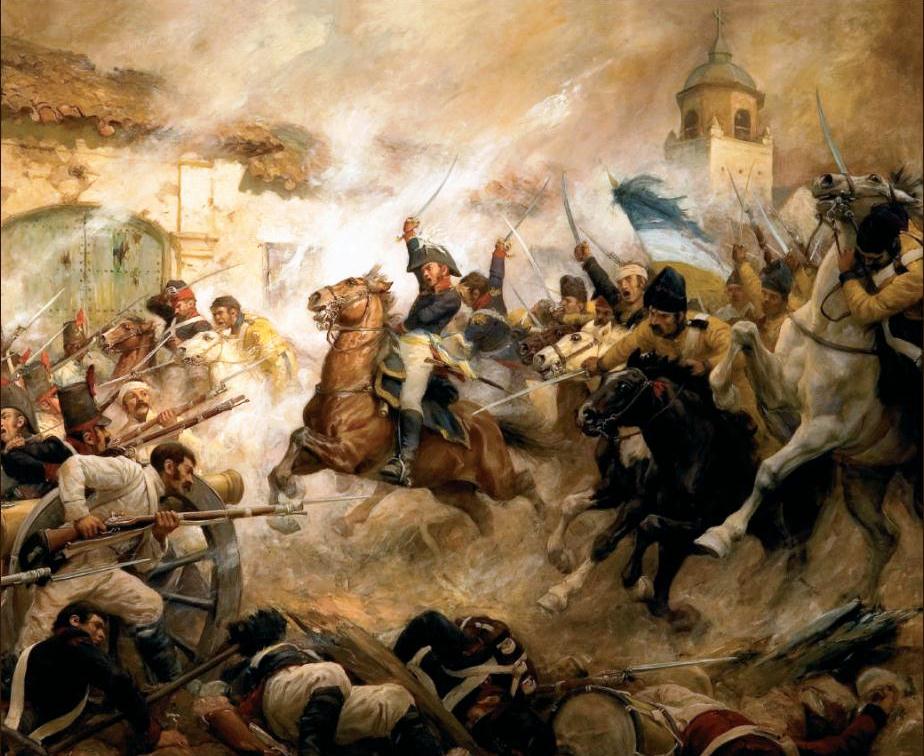
During the struggle for independence, O'Higgins became a prominent commander. He worked with allied generals such as José de San Martín and led Patriot forces at key moments. Victories in important engagements helped secure control of central Chile and paved the way for the consolidation of independence. These campaigns are commonly cited alongside other southern cone efforts as crucial in removing Spanish authority from Chile.
Government, reforms and challenges
After the decisive campaigns, O'Higgins assumed the title of Supreme Director and led the new republic from 1817 to 1823. His administration promoted institutional changes: organizing the armed forces, supporting public works and initiatives in education, and advancing measures aimed at modernizing the state. Those reforms met resistance from rival political factions and regional elites, producing political tensions that eventually led to his resignation.
Exile, death and legacy
Following his removal from power, O'Higgins went into exile in Peru where he lived until his death in 1842. In Chile and beyond he is commemorated as a founding father whose efforts helped create a sovereign Chilean nation. His name appears in place names, institutions, and public memory, and debates about his policies and style of rule continue among historians.
Notable facts
- Often called a liberator and founding father of modern Chile.
- Worked in cooperation and competition with other independence leaders of South America.
- Remembered for military leadership, state-building initiatives and contested political decisions.
For further overview and primary topics related to his life and times, consult biographies and historical surveys of Chilean independence. Key names and events in that history are linked above for reference to broader contexts and related figures.
Related articles
Author
AlegsaOnline.com Bernardo O'Higgins: Leader of Chilean Independence and Early Head of State Leandro Alegsa
URL: https://en.alegsaonline.com/art/115031