
Beorhtric of Wessex
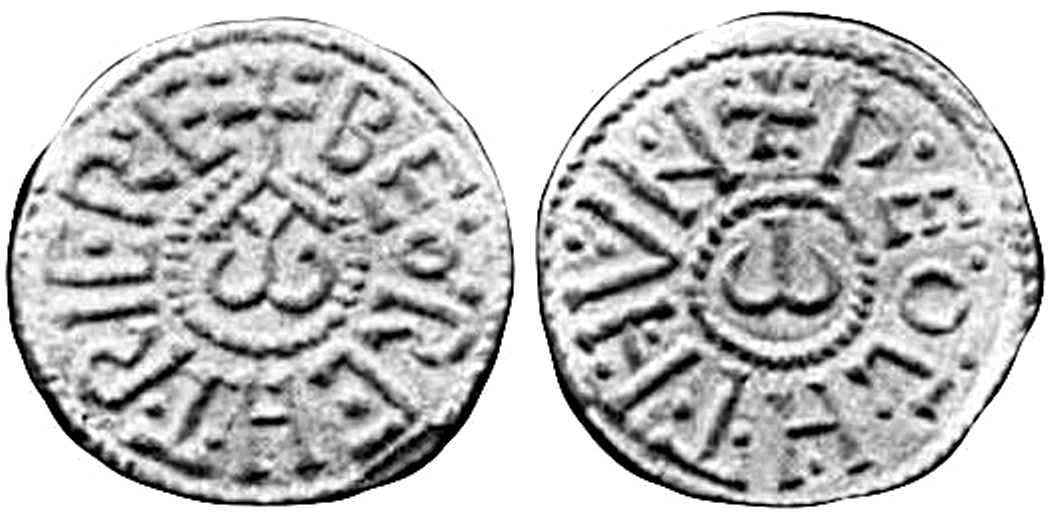
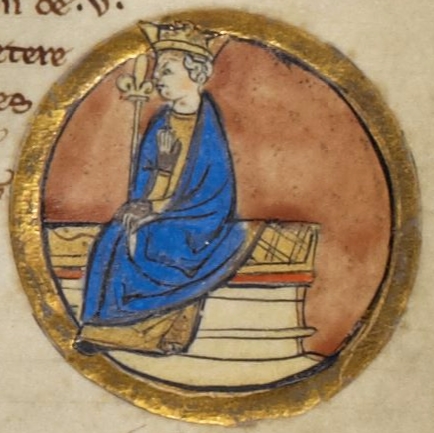
King of Wessex from 786 to 802, Beorhtric ruled under Mercian influence; his reign is noted for political alignment with Offa of Mercia, a controversial marriage, and the succession that allowed Egbert to return from exile.
Overview
Beorhtric (also spelled Brihtric) reigned as king of the Anglo-Saxon kingdom of Wessex from about 786 until his death in 802. His rule is generally described as a period in which the independent power of Wessex was limited by the dominance of the neighbouring kingdom of Mercia. Contemporary accounts are sparse, so many details of his government and personality remain uncertain.
Image gallery
4 Images

Reign and political context
Beorhtric's accession followed the death of King Cynewulf in 786. Early medieval chronicles and later writers suggest that Beorhtric gained the throne with the support of Offa of Mercia, the most powerful English ruler of the time. This alliance appears to have shaped Wessex policy and curtailed its independence: Mercian overlordship was the defining feature of the period and influenced marriages and diplomacy.
Marriage and court influence
Beorhtric married Eadburh, who was described in later sources as a daughter of Offa. Historians treat the stories about Eadburh with caution: some medieval accounts attribute scandalous behaviour and dramatic incidents to her, but these narratives were written with moral and political motives and cannot be accepted uncritically. What is widely accepted is that Beorhtric's marriage tied Wessex more closely to Mercia and strengthened Offa's regional position.
Succession and aftermath
During Beorhtric's reign the nobleman Egbert—later King Egbert of Wessex—was in exile, according to later sources. On Beorhtric's death in 802 the throne passed to Egbert, who restored greater autonomy and began a long and consequential reign. Thus Beorhtric's death marked an important turning point in West Saxon and wider English politics.
Sources, reliability and legacy
Knowledge of Beorhtric comes principally from the Anglo-Saxon Chronicle and from later medieval works such as Asser's Life of King Alfred. These sources mix annalistic entries with narrative elements and must be interpreted carefully. Modern historians therefore present Beorhtric as a king whose rule was overshadowed by Mercian power and whose reign set the stage for the resurgence of Wessex under Egbert.
Key facts
- Reign: c. 786–802.
- Political alignment: allied with Offa of Mercia through marriage.
- Succeeded by Egbert, whose accession changed Wessex's fortunes.
- Primary references include the Anglo-Saxon Chronicle and Asser's writings.
For further concise reference, see an entry on Beorhtric.
Related articles
Author
AlegsaOnline.com Beorhtric of Wessex Leandro Alegsa
URL: https://en.alegsaonline.com/art/115022